Weekend in Cambridge: Plan History & Tea Lover Days
Plan a weekend in Cambridge with a two-day itinerary covering the colleges, the Backs, the Fitzwilliam Museum and punting, plus honest notes on queues and booking.
On this page
A weekend in Cambridge covers more than most people expect, so the sensible split is one day for the historic core and one for museums, galleries and the river. The city is compact and easily navigable on foot or by bike, which means you spend your time looking rather than travelling. Keep the two days distinct and you avoid walking the same stretch of the Cam twice.
The first day belongs to the colleges, the Backs and Market Square, finishing with a chauffeured punt and a pub. The second day moves between the Fitzwilliam Museum, Kettle's Yard and the Cambridge University Botanic Garden, with tea fitted in where the queues are shortest. A handful of bookings made before you travel will save the most time.
Before You Go: What to Book and When to Arrive
Book ahead for the things that run to fixed capacity: a Kettle's Yard tour, a chauffeured punt, and a table at Fitzbillies if you want to sit down rather than queue. College entry is usually paid on the day at the gate, and most colleges charge for admission, so keep some flexibility in the morning rather than pre-paying for a fixed slot.
Weekends are the busiest time for the famous food stops, and the source of that advice suggests avoiding weekends for Fitzbillies and Jack's Gelato if you can, and booking a table at Fitzbillies in advance. If your trip is fixed to a Saturday and Sunday, go early or late rather than at lunch. A second Jack's branch on All Saints Passage is described as less bustling, which is a useful fallback.
Rail timetables are often not released more than twelve weeks in advance, which matters if you are booking a train-inclusive break. The London train is roughly an hour, so a Friday evening arrival gives you a full Saturday without an early start. Sort the travel first, then build the two days around it.
Getting Around: Walk the Centre and Skip the Bus
Cambridge is a walking city. The centre, the Backs and the colleges sit within easy reach of each other, and cycling is the other sensible option; the advice is to steer clear of the public transport, described as unreliable, if you can. That verdict shapes the itinerary: everything here is on foot.
The Botanic Garden sits conveniently on the route between the train station and the centre, which makes it a natural stop on arrival or departure rather than a mid-afternoon detour. If you arrive by train, drop your bags and walk in through the garden instead of taking a taxi. It sets the tone for a slow weekend.
Day One, Morning: the Backs and the Mathematical Bridge
Start on Silver Street at the Mathematical Bridge, first built in 1749 to a design by the civil engineer William Etheridge, and walk north along the Backs. This path follows the west side of the River Cam and gives you the classic view of the colleges across the water. It is the single best free stretch in the city.
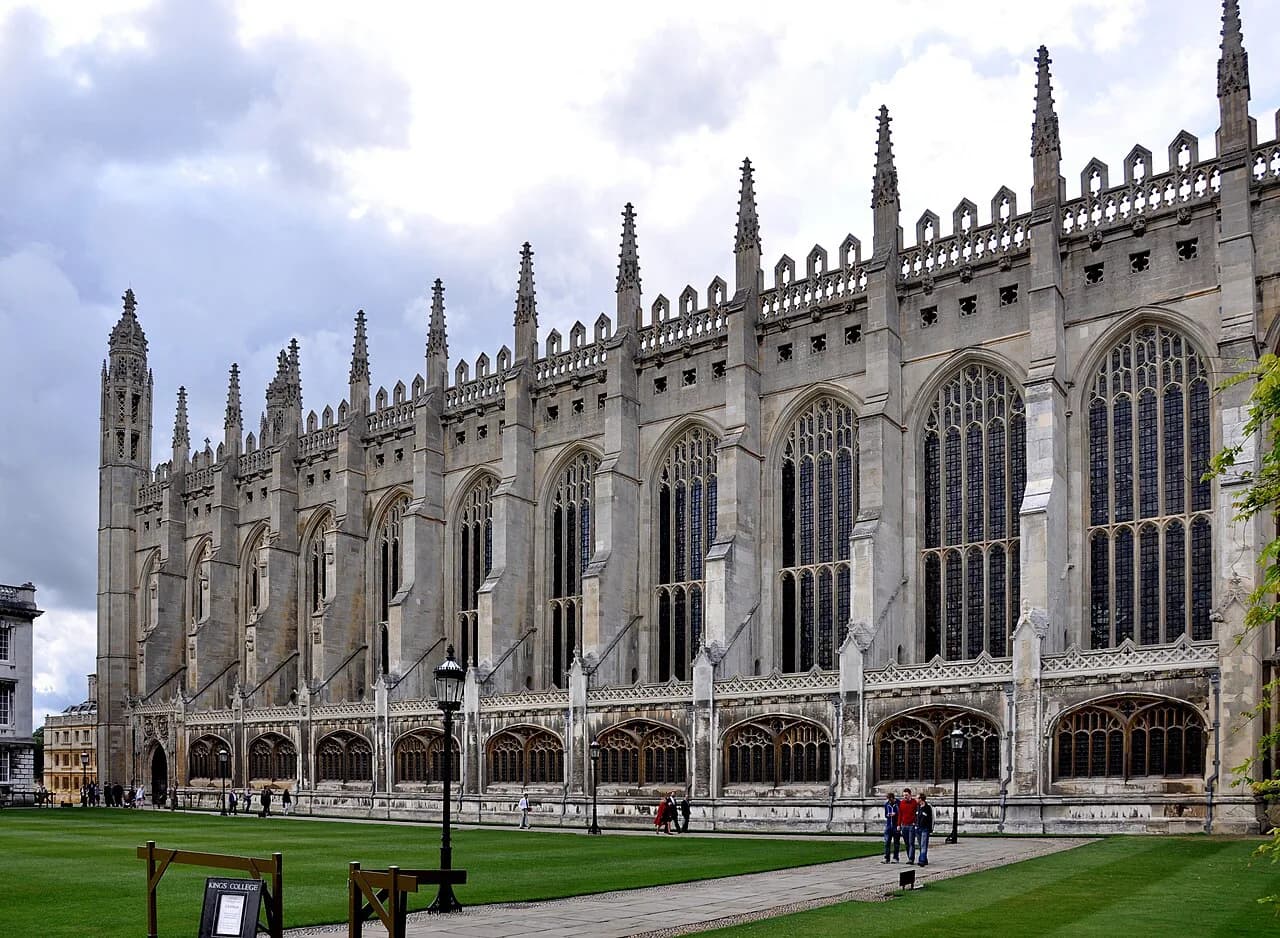
Carry on to St John's College, where the Bridge of Sighs arches over the Cam, and take your time over the college chapels along the way. Most colleges charge for admission, so decide at each gate whether the courtyard and chapel justify the fee for you. If you would rather spend your money elsewhere, the outside views from the Backs cost nothing.
If you want a wider menu of college stops and river viewpoints before you commit, the guide to things to do in Cambridge sets out the options by area. It is worth reading on the train so you can walk a single loop rather than doubling back.
Day One, Midday: Market Square and Lunch
Market Square is a maze of stalls under colourful striped awnings, and it dates back possibly to the Roman age. The mix runs from Venezuelan snacks to crystals and souvenirs, so it works as a browse-and-graze lunch rather than a sit-down meal. It also puts you in the middle of the city with the colleges still within a few minutes' walk.
For a proper lunch, head to Mill Road for vintage shops, record stores and a concentration of pubs and cafes, or eat in the centre and save Mill Road for the evening. The practical calculation is queue time against walking time: the market is instant, Mill Road costs you fifteen minutes each way. If you want the full picture of the city's markets, there is a dedicated guide to markets in Cambridge.
Day One, Afternoon: Evensong as a Way Into the Chapels
Evensong is the smart way to see a college chapel without paying admission, since services are usually open to the public. The music and the building come together, and you sit inside architecture you would otherwise admire from the gate. Check the pattern for the day you are visiting and arrive early enough to be seated.
Treat the university's traditions as traditions rather than attractions: formal halls, May Balls and the graduation ceremony in the Senate House are part of the rhythm of the place, not scheduled entertainment for visitors. If you are in the city on a graduation day, expect the centre to be busier and plan around it. That context makes evensong feel less like a concert and more like a glimpse of how the place works.
Day One, Late Afternoon: Punting on the River Cam
A chauffeured punt is the classic Cambridge experience, and it shows you the colleges from the water at an angle you cannot get on foot. Punting is described as one of the must-do activities for first-timers, alongside the colleges and the market, and it fits neatly into the late afternoon when the light softens. Book a chauffeured tour rather than self-hiring if you want to look at the bridges instead of steering.
The boats glide under arched bridges past college gardens, with cows grazing on the Backs in season. If you would rather compare operators, timings and departure points before booking, the guide to Cambridge boat trips covers the options. Allow an hour and treat it as the day's centrepiece rather than an add-on.
Day One, Evening: Pubs on Mill Road and Around
Pub culture is central to Cambridge life, and the walk from the station to Mill Road passes a pub on nearly every corner. The Mill lets you take a beer away to drink by the actual mill with its river views, which suits a warm evening. For something cosier, The Elm Tree is a snug pub hidden down an alleyway with candlelit tables and Belgian beers.
Craft beer drinkers should try Calverley's, where two founding brothers brew small batches with global influences, and pizza from Scott's can be ordered on site. To finish, Bar 196 mixes cocktails from a handwritten menu and serves charcuterie and cheese, and it gets busy, so arrive early for a candlelit table or a seat outside. Any of these three makes a good final stop within walking distance of the centre.
Day Two, Morning: the Fitzwilliam Museum
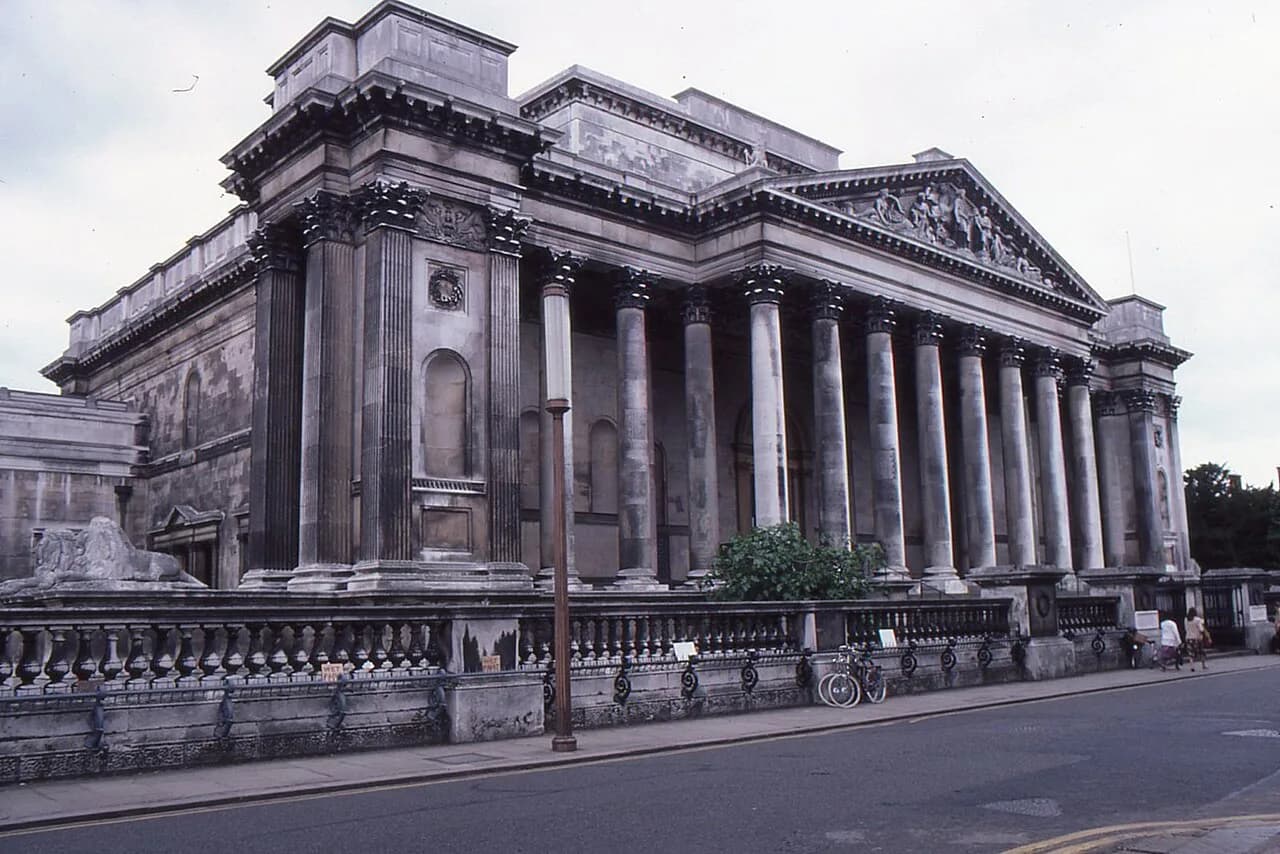
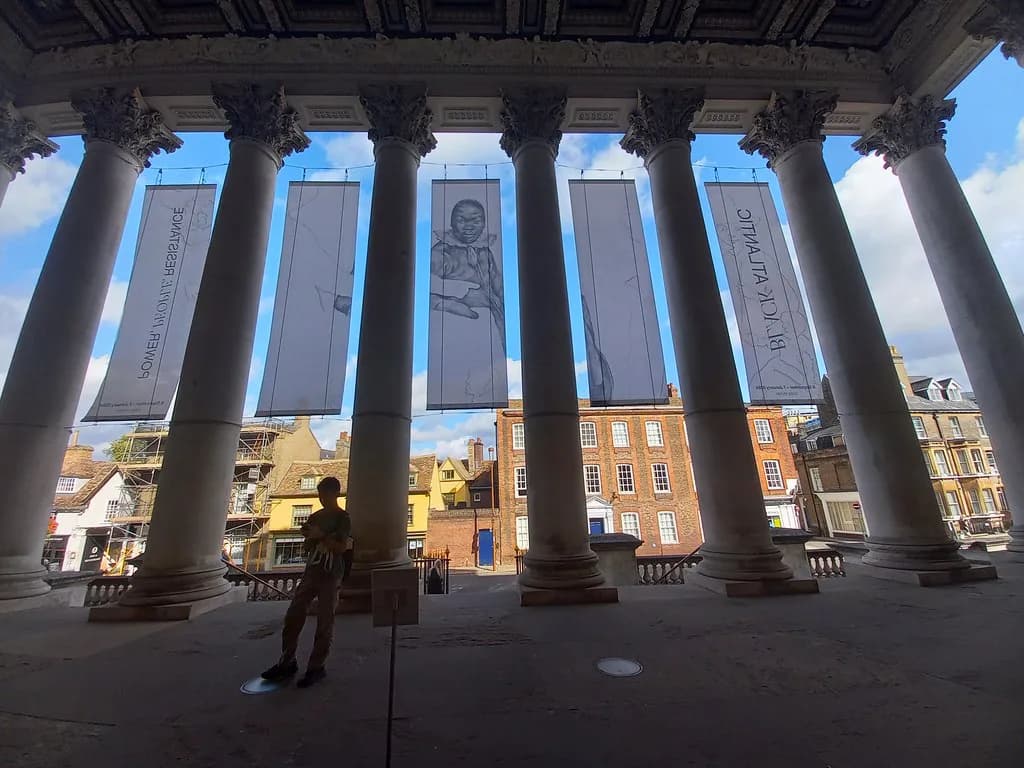
The Fitzwilliam Museum earns its morning: the columned facade alone is worth the walk, and inside are more than half a million objects, artefacts and artworks. The Impressionist room holds paintings by Cézanne and Monet, while the basement pits Egyptian coffins against Roman statues and ancient armoury. You can easily spend hours here, so decide in advance whether you are doing a highlights hour or a full morning.
If you are travelling on a budget, this is the day to lean on the city's free collections; the guide to free things to do in Cambridge is the place to plan that. Pairing the Fitzwilliam with one smaller free gallery keeps the day affordable without feeling thin. It also leaves room for tea later.
For a wider sweep of the city's collections, including the University Museum of Zoology, the museums in Cambridge guide is a useful companion. Choose two, not five, and give each real time. The Fitzwilliam plus one other is a comfortable morning and early afternoon.
Day Two, Late Morning: Kettle's Yard
Kettle's Yard was the family home of Jim and Helen Ede, and Jim was a curator at the Tate Gallery; the couple collected paintings, sketches and sculptures by artists including Picasso, Miró and Brancusi before donating the house and its contents to the university. Book a tour ahead, because the house is the point and access is organised rather than walk-in. The result is a dizzying collection in an intimate domestic setting.
If a tour slot is not available, the Heong Gallery at Downing College is a good substitute: it opened in 2016 as a hub for contemporary art and stages visiting exhibitions by artists such as Ai Weiwei, David Hockney and Dame Elizabeth Frink. It is smaller and quicker, which suits a packed second day. Either way, check the day's openings before you set out.
Day Two, Afternoon: the Botanic Garden or a Gallery
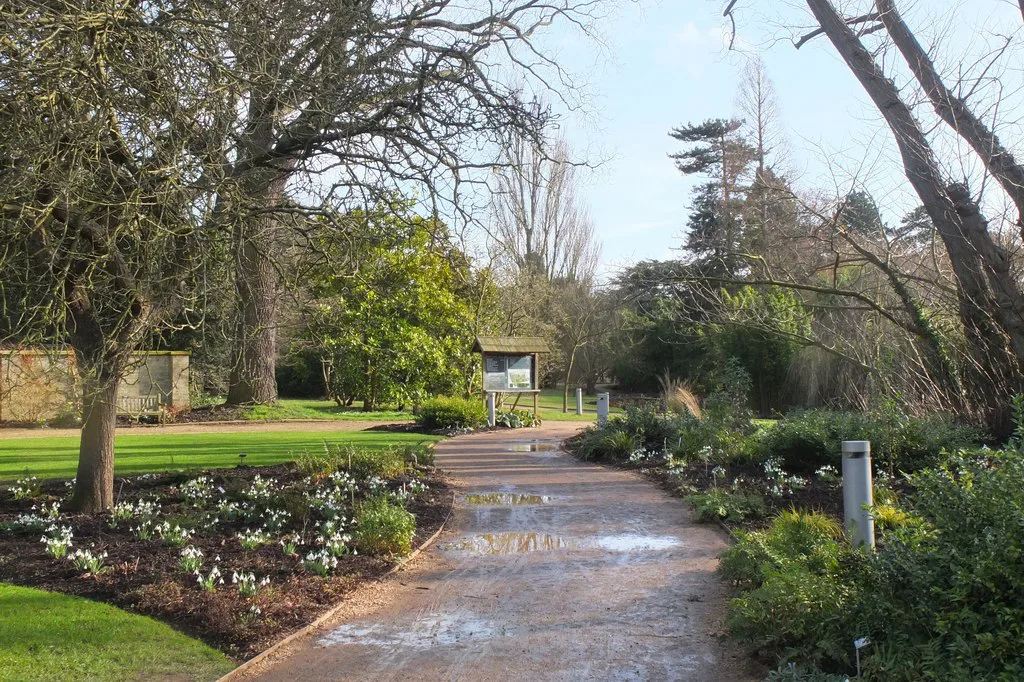
The Cambridge University Botanic Garden is the best station-side stop, conveniently on the walk from the train station into town and home to a staggering array of plant species, water features and season-themed gardens. It doubles as a research and education site, which gives the planting a purpose beyond prettiness. If you are leaving in the late afternoon, save it for the departure leg with your bags.
Weather decides the rest. A wet afternoon is the moment to move indoors, and the guide to indoor activities in Cambridge will keep you dry without wasting the day. On a fine afternoon, stay outside and walk the Backs again, because the light is different from day one.
Where to Break for Afternoon Tea
For a proper tea, head out to Grantchester, where The Orchard was the tea garden of choice for Virginia Woolf, Rupert Brooke and E. M. Forster. It pairs well with a slow afternoon and a walk along the river. The trade-off is the journey out and back, so do not attempt it between two museum slots.
In town, Fitzbillies is the Cambridge institution for Chelsea buns, and the advice is to book ahead and avoid weekends if you can because of the queues. A second Jack's Gelato branch on All Saints Passage is the quieter option for something cold instead. If you want a sit-down afternoon tea with china and cake stands, the guide to afternoon tea in Cambridge sets out the options.
Where to Stay: Riverside, Rooftop or Out of Town
For views and quick access to the centre, The Varsity Hotel and Spa is one of Cambridge's few high-rise buildings, with a brasserie and rooftop bar; Condé Nast Traveller gave a starting rate of £169 a night as a guide. The Graduate sits on the river edge with a restaurant, bar, spa and a pool beside the water, from £162 a night in the same listing.
If you want space and a slower setting, Bedford Lodge Hotel is a short drive out of town, a former Georgian hunting lodge converted in the interwar years, with a 1940s feel and a spa building with Turkish bath and steam room, from £160 a night. The Happenoak Treehouse offers a whole patch of woodland with a barbecue, an outdoor bath and a sauna, from £295 a night. All four figures are published starting rates and should be treated as a guide, so check the hotel's own site for your dates.
What to Skip and How the Weather Changes the Plan
Skip the bus network as a way of getting around the centre and put the time into walking instead. Do not try to see every college and every museum in two days; the Fitzwilliam alone can absorb a morning, and Kettle's Yard runs to booked tours. Leaving something for next time is part of a good weekend.
Rain swaps the Backs for galleries: the Fitzwilliam, Kettle's Yard and the Heong Gallery all sit comfortably indoors, and the parks in Cambridge are best saved for a dry spell. Sun makes the Botanic Garden and a punt essential and the colleges busier. Build the itinerary around the forecast rather than the other way round.
Practical Notes: Walking Times, Cash and Photos
Almost everything here is walkable, and the only real distance is between the station and the centre, which the Botanic Garden conveniently breaks. Pubs, cafes and colleges cluster on both sides of the river, so a single loop covers most of day one. Wear shoes for cobbles and carry a light layer for the evening.
Dom's Coffee on Mill Road has a deliberately low profile, with an unsigned shopfront and short opening hours, and it is cash only with no photos allowed. That is part of its character rather than a fault, but carry notes if you plan to visit. The Old Bicycle Shop, Stir and Hot Numbers are the easier brunch bets, with the last best known for its coffee.
Plan Your Visit
A weekend in Cambridge works when you give each day a different shape: colleges and the river on day one, museums and the Botanic Garden on day two, with tea and pubs threaded through. Book Kettle's Yard, a punt and a Fitzbillies table, then walk everything else.
If you are weighing up a different English city for a future break, our guide to a weekend in York makes a useful comparison for a two-day stay built around walls, minster and tea rooms. Both cities reward slow walking over long lists. Check current opening times and tour slots directly with each venue before you travel.
Frequently Asked Questions
Is two days enough for Cambridge?
Yes, for the centre and its main collections. Give day one to the Backs, the colleges, Market Square and a punt, and day two to the Fitzwilliam Museum, Kettle's Yard and the Botanic Garden. Trying to add every college and museum will leave you rushing between stops rather than enjoying them.
Do you need to book punting in Cambridge in advance?
A chauffeured punt is the most popular river activity, so booking ahead for a late-afternoon slot protects your day-one plan. Walk-up places are often available, but the choice of times is narrower at weekends. Compare operators and departure points before you commit.
Are Cambridge colleges free to enter?
No: most colleges charge for admission. A free alternative for seeing the chapels is evensong, which is usually open to the public. Compare what each college offers against its gate fee and decide as you go.
Do you need to book Kettle's Yard?
Yes, book a tour in advance. The house and its collection are the reason to visit, and access is organised through tours rather than unrestricted wandering. If slots are full, the Heong Gallery at Downing College is a good alternative.
Where should we go for afternoon tea in Cambridge?
For the full experience, head to The Orchard at Grantchester, the tea garden associated with Virginia Woolf, Rupert Brooke and E. M. Forster. In town, Fitzbillies is the classic stop for Chelsea buns, but it draws queues, so book a table or visit outside peak weekend hours.
How do you get around Cambridge without a car?
On foot or by bike. The centre, the Backs and the colleges are compact, and the public transport is best treated as a last resort for the centre. The walk from the station into town can be broken by the Botanic Garden.
What should we skip on a weekend in Cambridge?
Skip trying to see every college and every museum. The Fitzwilliam alone can take a morning, and Kettle's Yard runs to booked tours. Leave the rest for a return visit and spend the time on the river and in the market instead.
Sources
Notes for your next city break
Optional updates to our UK city guides.
You might also like
Continue reading
More guides you'll find useful