
Roman Painted House, Dover: A Visitor's Guide

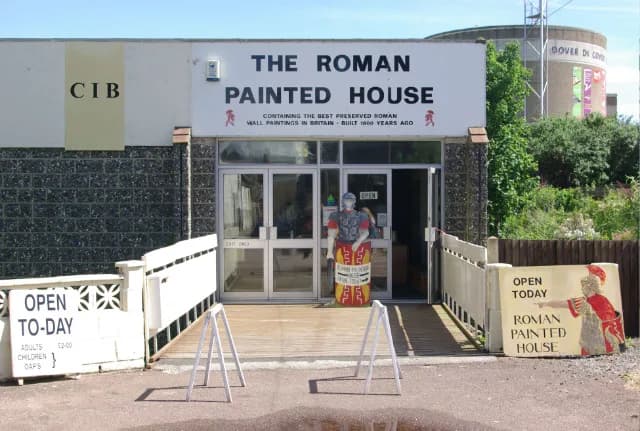
The Roman Painted House is a Roman building in the centre of Dover where five rooms survive, together with large areas of painted wall plaster, inside a protective cover in New Street. It is a small site with a single compelling reason to visit: the painted walls. Plan it as a half-hour stop woven into a town-centre walk rather than a half-day out.
What the Roman Painted House Is
This is a surviving Roman house in the heart of Dover, built almost two thousand years ago and preserved under cover on its original site. Five rooms remain, and large sections of the painted plaster that once covered the walls are still visible. The house is the reason to come; the town-centre setting makes it easy to add to a museum day.
For orientation, treat the site as a component of Dover's wider attraction offer rather than a standalone destination. If you are weighing up how it sits against the castle, the cliffs and the harbour, the Dover Attractions collection sets each one out separately so you can decide where to spend your time.
History in Brief
The building went up almost 2,000 years ago and has outlasted most of Roman Dover. The painted plaster survives because the remains were buried and then protected, which is why the walls rather than the floor plan hold the attention. In April 2024, repair funding of £70,000 was put forward to allow the monument to reopen after work to the structure.
That repair episode is useful background rather than a guide to today's arrangements. What matters for planning is that the site's condition and access have changed in recent years, so a visit should be checked against what is advertised on the day you intend to travel.
What to See Inside
The visit is about the painted walls. Look for the surviving rooms first, then the stretches of decorated plaster that give the house its name, and give yourself time to read the interpretation rather than walking straight through. Large areas of painted surface are the draw, so the viewing angles and the light inside the cover are worth noticing as you go round.
Photographers should expect an indoor, protected setting rather than open ruins, which suits close-up detail but not wide shots. Children who have just met Roman Britain at school tend to engage with the painted walls more than with the masonry, so pointing out what the decoration was for is the best way to hold their attention.
Where It Is and How to Walk There
The house stands in New Street in the centre of Dover, a short walk from the main shopping streets and within easy reach of the seafront. If you arrive by train, the town centre is downhill from the station and New Street sits in the block behind the main commercial stretch, so it works as a stop between the shops and the harbour.
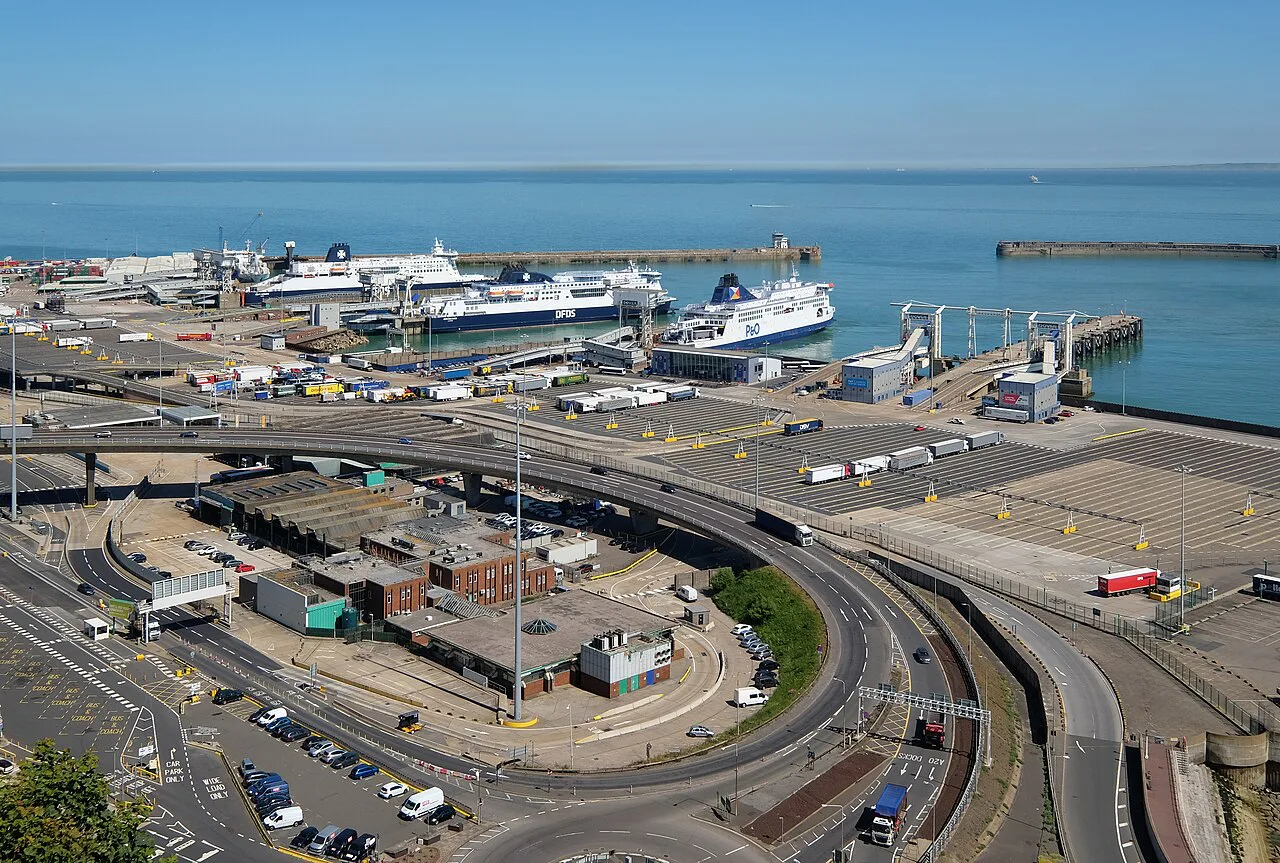
Coming from the coast, walk inland from the seafront and Dover Harbour toward the pedestrian centre; the Roman site sits close to the museum quarter, which makes a natural pairing. Allow ten to fifteen minutes on foot between the waterfront and New Street depending on where you start.

How Long to Allow
Budget about half an hour for the Roman Painted House itself. It is a compact indoor site, and the five rooms and painted walls do not fill a morning, so the sensible approach is to build it into a larger circuit rather than making a special journey.
The natural rhythm is museum, Roman house, then a walk. That way the Roman material you see here sits alongside the town's other collections, and you are not paying for a town-centre car park twice. If you only have an afternoon in Dover, put the bigger sites first and treat this as the closer.
Tickets, Opening Times and Booking
Opening days, admission charges and any booking requirement change with repair work and staffing, so confirm them with the site or the visitor information centre before you travel. There is no reliable way to plan around fixed hours without checking, and the surrounding museums keep their own separate timetables.
Access and Practical Points
Expect an indoor, covered site rather than open ground, with the surviving rooms viewed from within the protective structure. Groups of five or more should split up if the space is busy, and anyone with mobility needs should ask about step-free access when confirming opening arrangements, as the setting is historic rather than purpose-built.

Nearby: Dover Museum and the Bluebird Trail
Dover Museum is the obvious companion, holding the town's wider story including its Bronze Age boat, and it puts the Roman house in context a few minutes' walk away. Pick up the free printed guidebook for the Dover Bluebird Heritage Trail from the Visitor Information Centre at Dover Museum, then follow the bronze pavement markers around the town and port.
The trail is self-guided, uses bronze markers on the pavement, and covers Dover's long recorded history from the Romans onward, so it slots neatly after a visit to the painted house. If you would rather plan a full day of stops first, the wider list of things to do in Dover sets out the options by type and length.
Dover Castle as a Separate Half-Day
Dover Castle is a different scale of visit entirely and deserves its own half-day rather than being tacked onto a town-centre morning. Run by English Heritage, it sits above the town and covers the medieval castle, the wartime tunnels and the keep, so it is the opposite of the compact Roman house in pacing and in time required. If you are weighing up cathedrals and historic towns for the rest of your trip, our Canterbury guide covers the things to do in Canterbury.
If you want the coast as well, the White Cliffs of Dover walk is another standalone outing, best kept for a clear day rather than squeezed between indoor sites. In practice, a Dover break works best when you give the castle one half-day and the Roman house, museum and trail another.
Where to Go Next in Dover
The Roman Painted House earns its place on a Dover itinerary as the town's Roman survivor, not as a headline attraction. Give it half an hour, pair it with Dover Museum and the Bluebird trail, and plan the castle for a separate stretch of the day.
Before you travel, confirm the site's current opening arrangements through the visitor information centre at Dover Museum, which is also where the free trail guidebook comes from. That single check turns an uncertain stop into a reliable one and leaves the rest of your day free for the castle, the cliffs and the harbour.
Explore more Dover guides
Frequently Asked Questions
What is the Roman Painted House in Dover?
It is a Roman building in New Street in the centre of Dover where five rooms survive, along with large areas of painted wall plaster. Built almost two thousand years ago, it is preserved under cover on its original site and is visited for its decorated walls rather than for size.
How old is the Roman Painted House?
The house was built almost two thousand years ago, which makes it one of the oldest surviving structures in Dover. Coverage of repair work in April 2024 described the monument as more than 1,824 years old.
Where is the Roman Painted House in Dover?
It stands in New Street in the town centre, a short walk from the main shopping streets and within easy reach of the seafront and harbour. It sits close to Dover Museum, which makes the two easy to combine on foot.
How long does a visit to the Roman Painted House take?
Allow about half an hour. The site is compact, with five surviving rooms and the painted walls as the main things to see, so it works best as part of a larger town-centre circuit rather than a trip on its own.
Is the Roman Painted House open to visitors?
Opening arrangements depend on repair work and staffing, so confirm current days and admission details with the visitor information centre at Dover Museum before travelling. The site reopened following repair funding put forward in April 2024, but that does not guarantee today's timetable.
What else is there to see near the Roman Painted House?
Dover Museum, a few minutes away, sets the town's history in context and is where the free printed guidebook for the Dover Bluebird Heritage Trail is available. The trail itself follows bronze pavement markers around the town, and Dover Castle makes a separate half-day.