
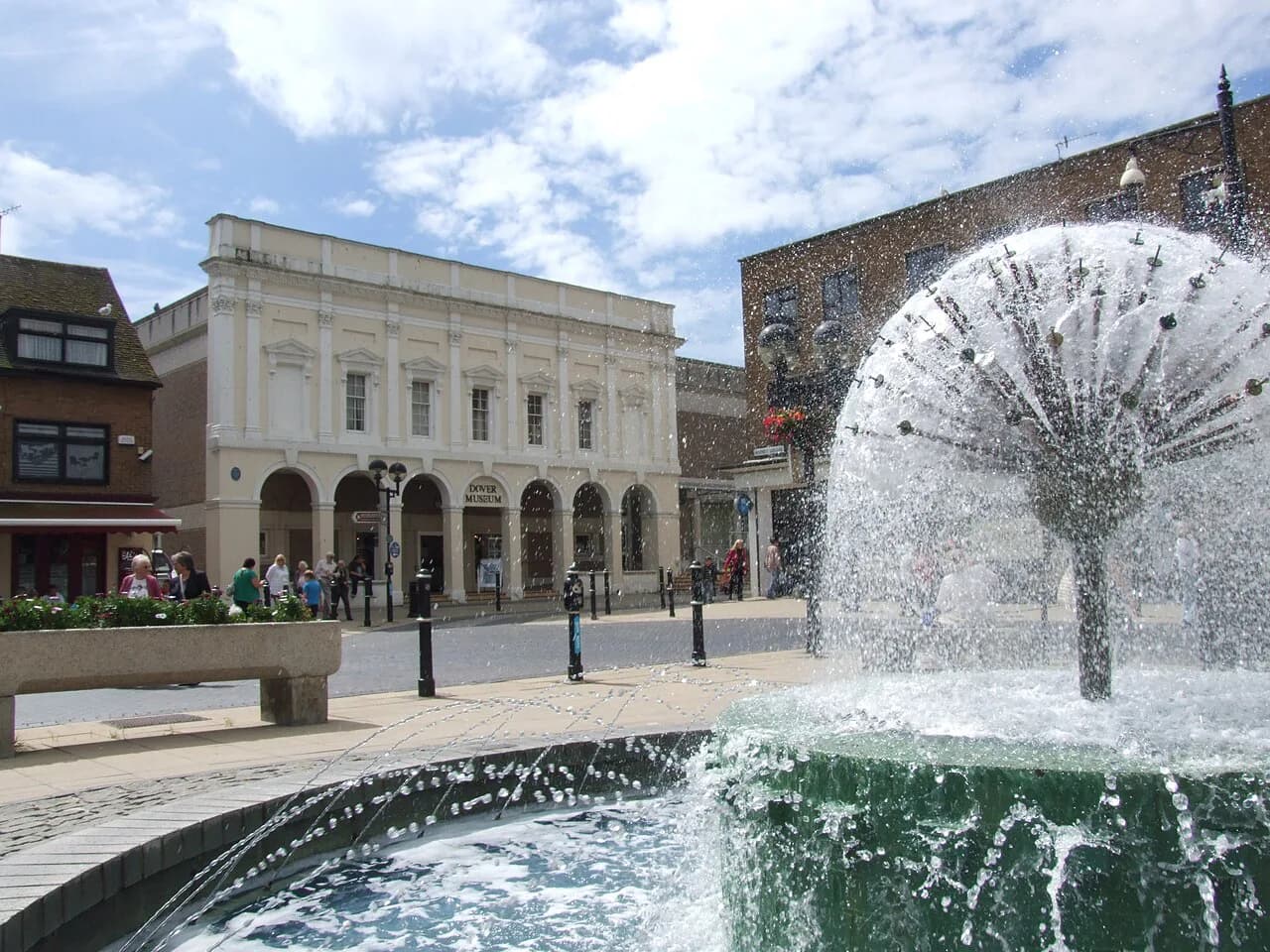
Dover Museum: Britain's Bronze Age Boat and the Town's Story

Dover Museum is the town-centre museum in Market Square, and its headline exhibit is the Dover Bronze Age Boat — a prehistoric sea-going vessel thought to be around 3,600 years old, recovered from beneath the town in 1992 and now displayed in its own chamber. Entry is free, so the museum works well as a short, worthwhile stop between the bigger sights.
Set expectations before you go: this is a compact local museum of four galleries arranged over three floors behind a Victorian façade, not a half-day attraction. Most visitors will see it comfortably in an hour to ninety minutes, and the boat gallery sits on the second floor, so head up first if that is your reason for coming.
What Dover Museum is and where it sits
The museum occupies a modern building behind the original Victorian frontage at Market Square, Dover CT16 1PH, in the heart of the town centre. It tells the story of the town and port from prehistoric times, drawing on local archaeology, models and original pictures. Because it sits in the shopping heart of Dover, it slots easily into a day that also covers the castle or the seafront.
Dover District Council describes it as the district's largest and most varied museum, with real objects, models and original pictures showing Dover's history and archaeology. Plan it as a focused town-centre visit rather than a full afternoon, and you will come away with a much clearer picture of why this port mattered.
The Bronze Age Boat: the 1992 discovery
In September 1992, archaeologists working in Dover uncovered the remains of a prehistoric wooden boat. Around 9.5 metres of it was recovered over nearly a month of excavation, then researched and conserved for about seven years before returning to the town for display. The gallery explains what the find means for how we understand the Bronze Age, with a large collection of period treasures and a short film on the excavation and conservation.
The boat is described as thought to be some 3,500 years old, and elsewhere as around 3,600 years old — ancient either way, and the reason many people make the trip. It sits in a specially constructed chamber in the second-floor Bronze Age Boat Gallery. Go there first if you are short of time, because the other floors reward a slower read.
Ground floor: Stone Age to Saxons
The ground-floor Archaeology Gallery traces Dover from the Stone Age to the Saxons, including the building of the town's Roman forts. Displays of local archaeological finds sit alongside outstanding Saxon jewellery on loan from the British Museum's collection, which is the strongest single reason to linger on this floor.
Look for the polar bear at the top of the stairs, brought to Dover from an 1897 Arctic expedition and a long-standing favourite with local school groups. It is a small, odd, memorable object rather than a headline exhibit, and it gives children something to hunt for between the cases.
First floor: models of the town and Frontline Dover
The first-floor History Gallery is the largest in the museum. Scale models chart the growth of the town and port, surrounded by cases of armour, art and dioramas of Dover's past. A section on Frontline Dover covers the town's role in wartime Britain, which gives context to the harbour and the castle you can see outside.

Mezzanine and stairwell displays
The mezzanine gallery and front stairwell host annually changing exhibitions on aspects of the district's history, with past subjects ranging from the Dover Pageant to Operation Dynamo, smuggling and the Goodwin Sands. The back stairwell holds a permanent display on Channel swimming, from Captain Matthew Webb's first successful crossing in 1875 to the present day.
If stairs are difficult, copies of the stairwell exhibition panels can be borrowed from the front desk, so the Channel swimming stories are not lost to you. The permanent displays pair naturally with a look at the White Cliffs of Dover, where swimmers have long set off and finished.
Admission, opening hours and accessibility
Admission to Dover Museum is free. Opening hours are published as Monday to Saturday 9.30am to 5pm from April to September, with Sundays 10am to 3pm in that period; from October to March it opens Monday to Saturday 9.30am to 5pm. It closes on Christmas Day, Boxing Day and New Year's Day. Check the museum's visitor information page for the current year's schedule before you travel.
Access is better than many historic buildings in town: a ramped entrance, level floors, a lift to all galleries and an accessible toilet. There is no café or food and drink on site and no parking at the museum, though public transport stops nearby and off-site parking is a short walk away.
Getting there and how long to allow
The museum is in Market Square, a short walk from Dover Priory railway station and from the town's main bus stops; drivers should use off-site car parks, since the museum has none of its own. The What3words reference for the entrance is handbook.developed.surpassed if you need to find it precisely.
Allow an hour for a quick look at the boat and the archaeology gallery, or ninety minutes to two hours if you read the history gallery and the stairwell displays properly. Because entry is free, it is easy to drop in for half an hour and return another day for the rest.

The Roman Painted House on New Street
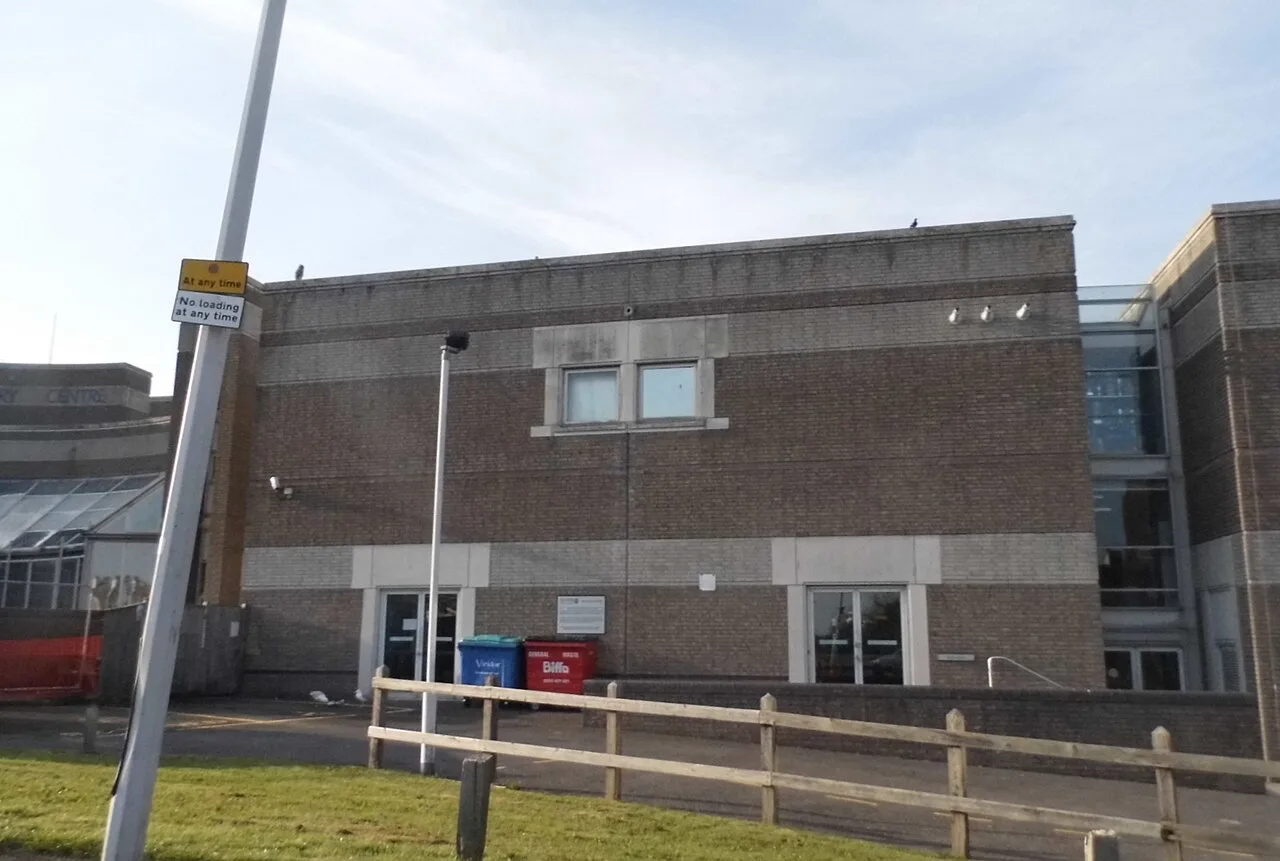
The Roman Painted House at New Street, Dover CT17 9AJ is a separate site rather than part of the museum building, but it shares the same contact number and free admission, so the two make a natural pair. Its opening is seasonal: for 2026 it is published as open from Friday 3 April to Saturday 31 October, with Thursday to Sunday hours in school holidays, Saturdays only in term time, and daily opening for Heritage Open Days.
Nearby: the castle, the harbour and the rest of town
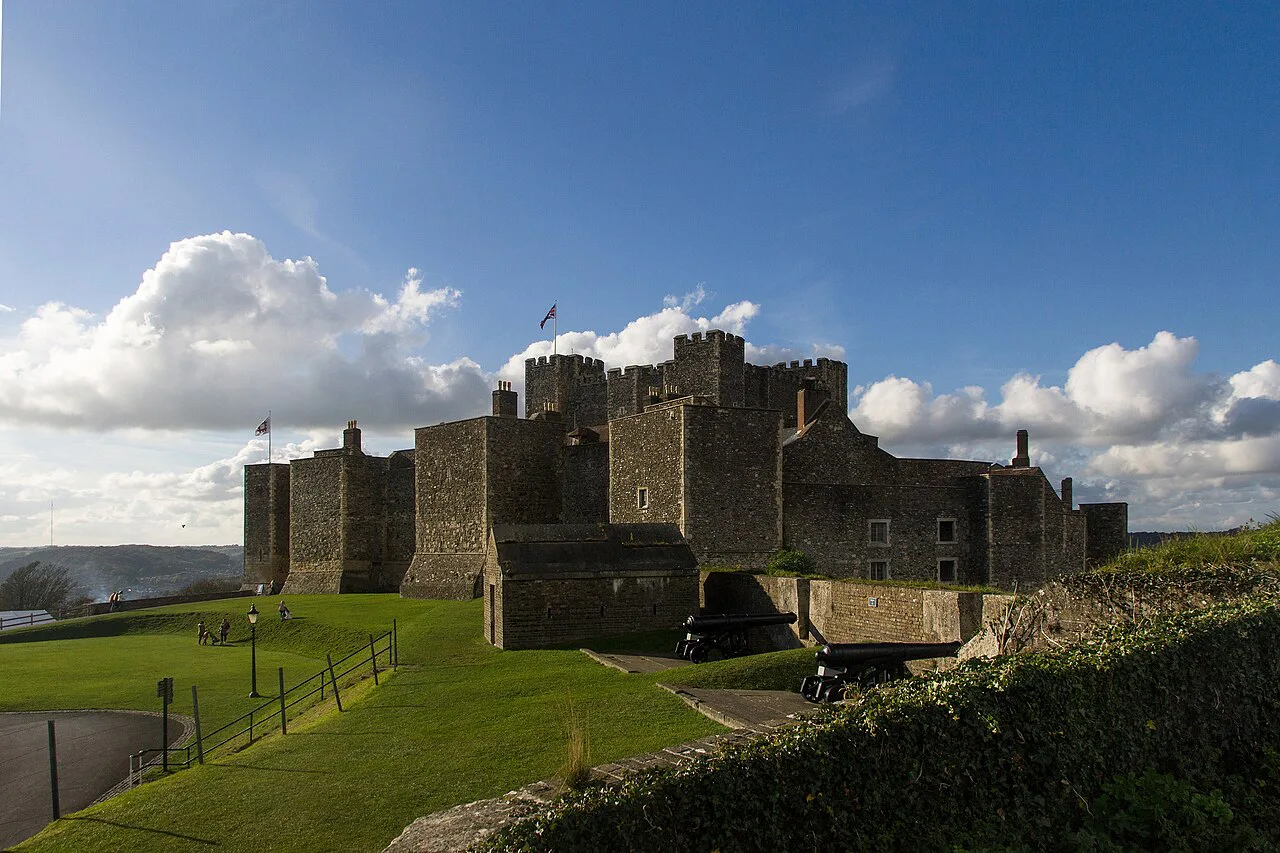
Dover Castle, run by English Heritage, dominates the skyline above the town and is the obvious companion visit; allow a good half-day there rather than squeezing it alongside the museum. The harbour and Eastern Docks sit below the castle, and the Western Heights fortifications repay a walk if you have a clear day.
If you want more museums after Dover Museum, the Dover Transport Museum is the closest option, with more than fifty road vehicles set in period street scenes. The town's military and maritime story also runs through the Grand Shaft and the seafront. If your travels take you north, Whitby Museum offers a similarly compact, volunteer-spirited look at a maritime town's past.
Plan Your Visit
Dover Museum earns its place on a Dover itinerary because of the boat: a genuine prehistoric sea-going vessel in a town-centre gallery that costs nothing to enter. Treat it as a focused hour or two, go straight to the second floor if the Bronze Age is your priority, and read the archaeology gallery on the way down.
Pair it with the Roman Painted House when that site is open, and save the castle for a separate half-day. Confirm seasonal hours on the museum's own site before setting out, especially outside the April to September season.
Explore more Dover guides
Frequently Asked Questions
Is Dover Museum free?
Yes. Admission to Dover Museum is free, and the Roman Painted House on New Street also has free admission.
What is the Bronze Age Boat and where is it displayed?
It is the remains of a prehistoric wooden sea-going boat, thought to be around 3,500 to 3,600 years old, discovered in Dover in September 1992. It is displayed in the Bronze Age Boat Gallery on the second floor of the museum.
How long does a visit to Dover Museum take?
Allow around an hour for the boat and the archaeology gallery, or ninety minutes to two hours if you read the history gallery and the stairwell displays as well.
Is Dover Museum accessible for wheelchair users?
The museum has a ramped entrance, level floors, a lift to all galleries and an accessible toilet. Visitors who cannot use the stairs can borrow copies of the stairwell exhibition panels from the front desk.
What are Dover Museum's opening hours?
From April to September it opens Monday to Saturday 9.30am to 5pm and Sunday 10am to 3pm. From October to March it opens Monday to Saturday 9.30am to 5pm and closes on Christmas Day, Boxing Day and New Year's Day.
Is the Roman Painted House part of Dover Museum?
No, it is a separate site on New Street, Dover CT17 9AJ, with seasonal opening and free admission. It shares a contact number with the museum.
What else is there to see near Dover Museum?
Dover Castle and the White Cliffs are the headline sights, with Dover Harbour, the Western Heights fortifications and the Dover Transport Museum within the town.