Roman Liverpool: Remains, Sites and Where to See Them
Roman Liverpool means scattered finds, not standing ruins. See what was unearthed across Merseyside, from Tarbock tiles to Wirral coins, and where to go next.
On this page
Roman Liverpool is a story told through small finds, not standing walls: coins, pottery, a silver brooch and stamped roof tiles dug from sites across Merseyside. No legionary fortress stood here, and the nearest major Roman remains are at Chester, where the army that ordered those tiles was based.
What Roman Liverpool actually is
The evidence from Merseyside is fragmentary and spread over a wide area, which is why the Roman presence is best understood as activity rather than settlement. Artefacts have come from the Wirral, Speke, Halebank and the Otterspool and Grassendale area of Aigburth, and the tileworks at Tarbock add a production site to the picture. The Romans were here, but the scale and duration of their stay remain genuinely uncertain.
That matters for planning. If you arrive in Liverpool expecting a Roman fort, walls or a reconstructed villa, you will not find one. What you can do is follow the finds through the story of the region and then travel to Chester for the legionary base that ties the whole picture together.
A short timeline of Roman Merseyside
Julius Caesar first reached Britain in 55 BC, and the Roman army settled at Chester around AD 70, according to the local history account. The tile markings from Tarbock carry a date of AD 167, and the armies began to leave England around 410 AD to defend Rome. Those four markers give a workable frame for the region's Roman century-span.
A coin found at Ditton Station near Halebank carries a date of 96 AD, and coins found in the Otterspool area of Aigburth are dated to 268 AD. Taken together with pottery and jewellery from across Merseyside, especially the Wirral, they suggest repeated contact over a long period rather than a single episode. The history of Liverpool as a whole is far longer than its Georgian docks suggest, and these finds are the earliest chapter.
The Tarbock tile factory and Aulus Viducus
In 2007, road building at the M62 Tarbock roundabout uncovered the remains of a Roman pottery works. Its tiles were stamped with the name of Aulus Viducus, and the stamp records that they were made for the Twentieth Legion during the third consulship of Verus, with the tile markings dated to AD 167. They were roof tiles bound for the Roman army barracks at Chester.
Two details make the Tarbock tiles unusual. They are the only examples of their type found in Britain, and they resemble tiles made in Holland, which has prompted the suggestion that Viducus himself may have been Dutch. Many of the tiles are misshapen and carry rain marks, suggesting they were formed and left to set in wet weather.
The likely route to Chester ran down Ochre Brook, which now flows beneath the M62, then onto Ditton Brook. That fits the discovery of a Roman well and coins near Ditton Station at Halebank in 1881, along with a large collection of iron debris pointing to blacksmiths working nearby. Coins minted in Constantinople were also found buried at Tarbock, and a fragment of a Roman mortarium used for grinding food came from the same site.
Coins, brooches and pottery: the small finds
The single most striking object is a silver brooch in the shape of a hare, found at Speke in 2006. It is the kind of personal possession that rarely survives, and it puts an individual wearer into a landscape otherwise known through coins and potsherds. Small finds like this are what you will encounter in museum displays, not excavated foundations.
The Wirral has produced a particularly dense spread of material, especially around Meols in the north, where there was a shipping port. Pottery, jewellery and coins have been unearthed across Merseyside more broadly. When you look at collections in the city, expect vitrines and case labels rather than walkable archaeology, and allow an hour rather than a day.
For the wider picture of what the city's museums hold, the guide to museums in Liverpool sets out the major venues and what each one covers, which helps you decide where a Roman-themed morning fits. If you are watching the budget, the guide to free museums in Liverpool explains which collections cost nothing to enter, so you can put the money towards the train to Chester instead.
Was there a Roman road at Aigburth?
In the 1850s, parts of a Roman road were thought to have been found in the Aigburth area near Otterspool and Grassendale, and several Roman coins were recovered from the same neighbourhood. The attribution has always rested on limited evidence, so treat the Aigburth road as a plausible reading of the finds rather than a confirmed route you can follow on the ground.
The most likely explanation for the scattered material is that the Roman army passed through the area on the road between Deva, now Chester, and Bremetennacum in the Ribble Valley, with a few people choosing to stay. There is no Roman road to walk in Liverpool today, so plan your Roman day around museum collections and the journey to Chester instead.
Meols on the Wirral as a Roman port
Meols, on the northern tip of the Wirral, was a shipping port in the Roman period, and it has yielded a rich concentration of finds. It is the strongest candidate in the region for a place with sustained Roman activity rather than a passing military presence. Access to the foreshore depends on tides and weather, so check local conditions before setting out.
The coastline has changed dramatically since then. Old tree stumps have been found along the Wirral coast, showing that land now covered by sea and river was once habitable ground. That shift in geography is central to understanding why Roman sites in Merseyside sit where they do.
Portus Setantiorum and the Ptolemy map
Some people believe the Romans called the Liverpool area Portus Setantiorum, because a place of that name appears on a map based on the work of the geographer Ptolemy. The identification is far from settled. The same name has been placed as far north as Fleetwood near Blackpool and as far west as Meols on the Wirral, so no single location can be claimed with confidence.
Ptolemy worked from other people's descriptions, translated across languages, and the map itself was not drawn until around a thousand years after he designed it. The rivers he labels Belisama and Seteia may be the Dee and the Mersey, but that too is interpretation. Treat Portus Setantiorum as a debated name on a contested map, not as Liverpool's Roman title.
Which tribe held Merseyside?
Merseyside sat on the border between two tribes. The Cornovii lived in Cheshire and the Wirral, while the Brigantes held what is now Lancashire, with their centre in North Yorkshire and the Cornovii's in Shropshire. People living around Bronze Age Liverpool were, in effect, on the far edge of both.
Some historians think the local people belonged to a smaller sub-tribe called the Setantii, meaning people of the waters. The name Brigantes means People of the Hills, and there is evidence of settlement on the higher ground around Wavertree and Woolton. The Romans called the people here Picti, meaning Painted People, because of their tattoos, and the name Britannia grew from words including Pretani and Brydai. Treat all of the tribal labels as uncertain: the border position makes a firm answer impossible.
The Mersey earthquake theory
One theory holds that the Mersey did not exist in Roman times in anything like its present form, and that it was created by an earthquake after the Romans left. Victorian canal engineers reached this conclusion after examining the river and the local geology, and there is archaeological evidence of an earthquake in the area around the 400s. The idea is that it cracked open marshland that may have joined north Wirral and Formby, forming the estuary we know.
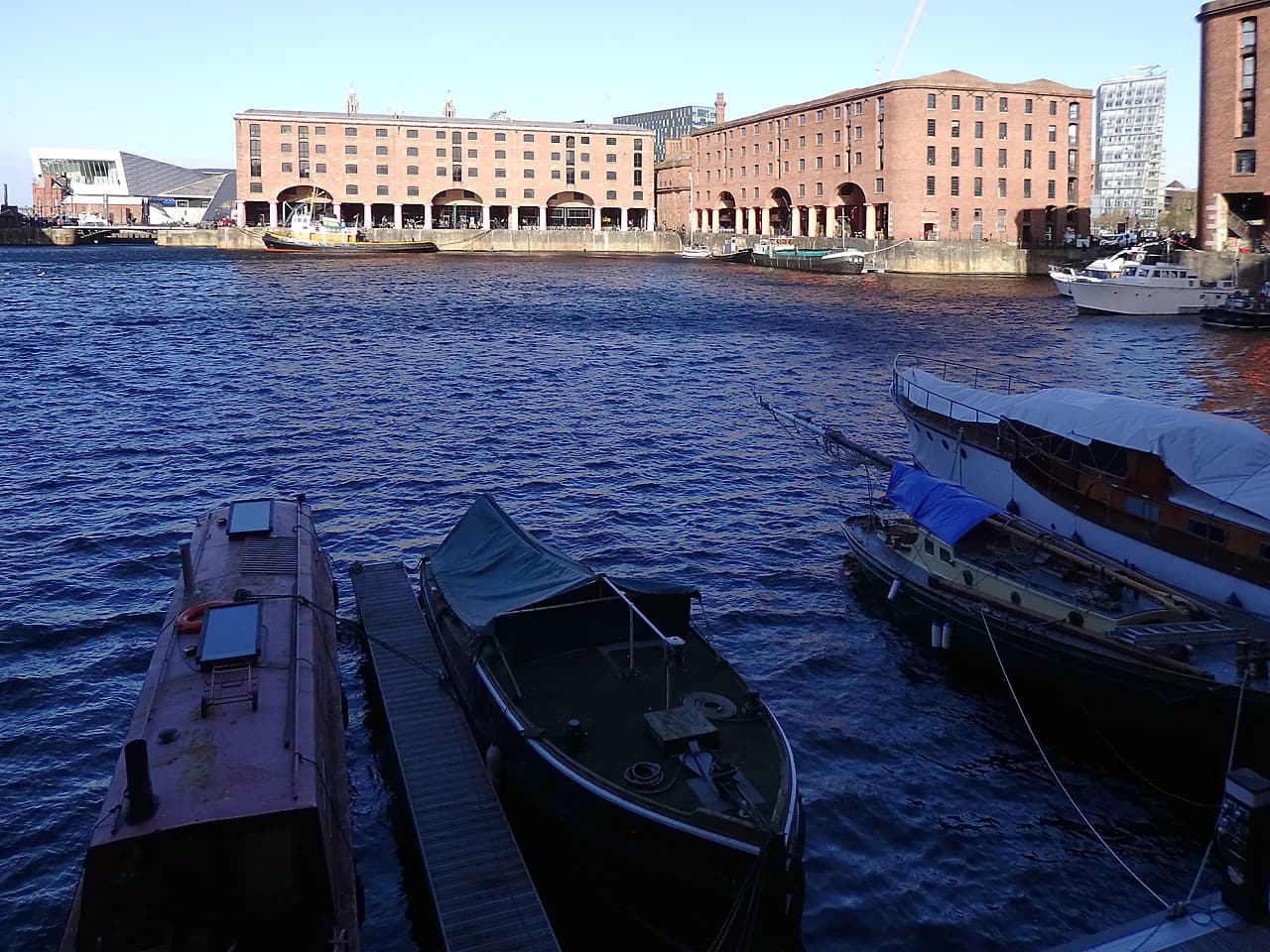
On this reading, the stream that starts at Stockport once flowed into the Dee rather than out through the Mersey. It is a theory, not a settled fact, but it explains why Roman finds turn up in places that now seem marginal. Keep it in mind when you look at a modern map of the estuary, and pair it with a walk along the waterfront for the modern view.
Where to see Roman material today
Chester is the nearest major Roman site to Liverpool and the natural next stop. It was the legionary base of Deva, the destination for the Tarbock tiles, and the army settled there around AD 70. For anyone following the Roman thread out of Liverpool, the city's Roman remains are the place to see walls, foundations and collections in one visit.
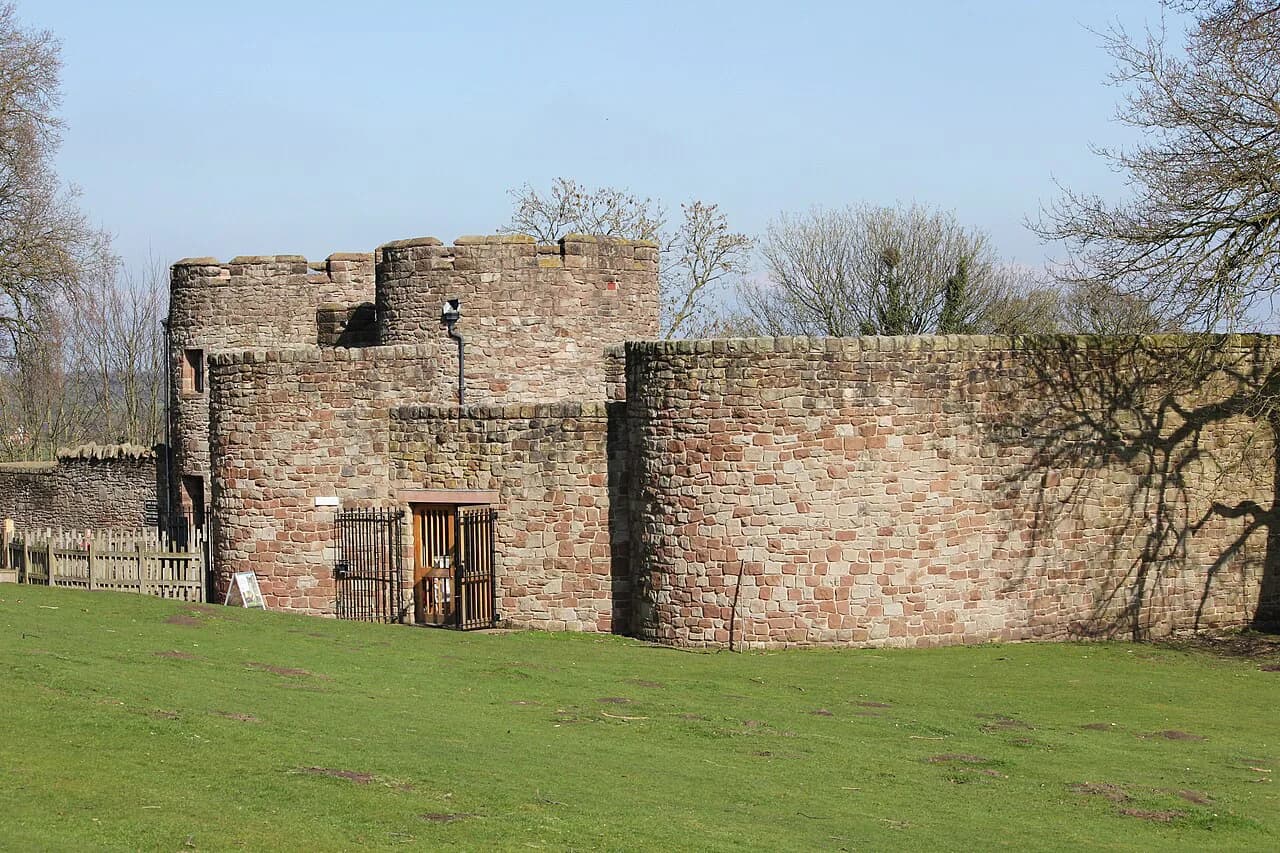
If you want a wider day out, the castles near Liverpool guide covers fortifications of later centuries, including Beeston Castle and Woodland Park, which is worth knowing about if hilltop sites appeal. For a longer Roman trip, Roman York is the other great northern legionary city and makes a sensible companion to Chester, with its own walls and collections to compare against the Twentieth Legion's stamp at Tarbock.
Tracing the rest of the city's story
Once you have the Roman finds in view, the rest of Liverpool's past falls into sequence: medieval beginnings, the docks, and the museums that interpret them. The history of Liverpool guide gives that longer arc, which makes a useful frame for a museum day. If you want to plan a broader schedule, the guide to things to do in Liverpool helps slot a Roman morning alongside the waterfront and the galleries.
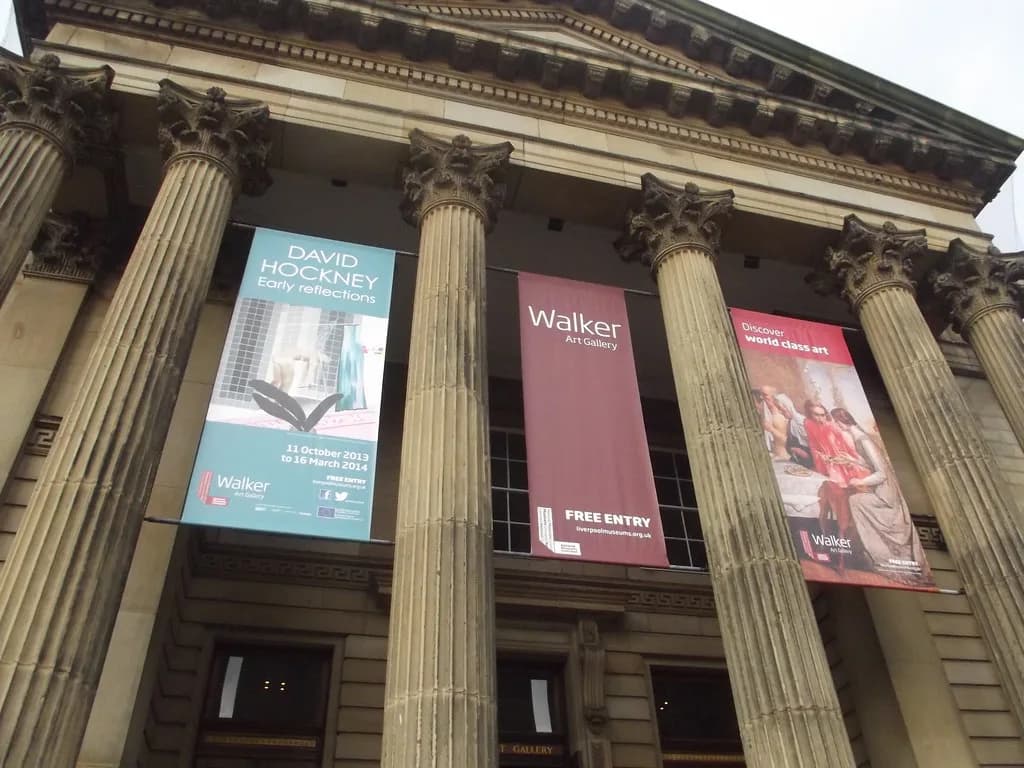
The Walker Art Gallery is a good pairing with a history morning, and the art galleries in Liverpool guide covers it alongside the city's other exhibition spaces. For an evening that plays on the darker side of the past, ghost tours in Liverpool trade in legend rather than archaeology, so enjoy the stories as stories. Haunted places in Liverpool work the same way, including tales attached to the Britannia Adelphi Hotel; none of it is evidence of Roman occupation.
Honest trade-offs for a Roman-themed visit
The main trade-off is travel time. Liverpool's Roman material is thin on the ground and mostly held in collections, so a satisfying Roman day means building in the trip to Chester rather than expecting it all on the waterfront. If your time is short, choose one collection in Liverpool and one site in Chester rather than trying to chase every find across Merseyside.
The second trade-off is certainty. Tarbock's stamped tiles are hard archaeology with a date and a name on them, while Portus Setantiorum, the Aigburth road, the tribal question and the Mersey earthquake are interpretations. Present them to yourself in those two categories and the picture stays honest. Check opening days and any admission charges with each venue before you travel.
Plan Your Roman Day Out
Start in Liverpool with the city's collections, then take the train to Chester for the walls and the legionary base that ties the Tarbock tiles to a real place. Build the day around two stops rather than five, because the driving between Wirral, Speke and Tarbock adds up and there is little to see at the find spots themselves.
If you have a second day, add York or one of the castles near Liverpool for contrast. Book rail tickets ahead where you can, keep a wet-weather alternative in the museum plan, and treat the more colourful theories about Roman Liverpool as stories worth telling rather than facts to rely on.
Explore more Liverpool guides
Frequently Asked Questions
Is there anything Roman to see in Liverpool?
There are no standing Roman ruins in Liverpool. What survives is a scatter of finds, including coins, pottery, a silver hare brooch from Speke and stamped roof tiles from the Tarbock works, which turn up in museum collections rather than on open sites.
Where was the Roman tile factory near Liverpool?
The tileworks were at Tarbock, near the M62 roundabout, and were uncovered during road building in 2007. The tiles were stamped with the name of Aulus Viducus and date to AD 167, and they were made for the Twentieth Legion's barracks at Chester.
What was Liverpool called in Roman times?
No confirmed Roman name for Liverpool is known. Some people link the area to Portus Setantiorum on a map derived from Ptolemy's work, but that identification is debated, with the same name placed as far north as Fleetwood and as far west as Meols on the Wirral.
Which Roman site is closest to Liverpool?
Chester is the nearest major Roman site. The Roman army settled there around AD 70, and it was the legionary base of Deva that received the roof tiles made at Tarbock, so it makes the natural next stop after looking at Liverpool's collections.
Which tribe lived around Merseyside in the Roman period?
Merseyside sat on the border between the Cornovii, based in Cheshire and the Wirral, and the Brigantes, based in what is now Lancashire. Some historians suggest a smaller sub-tribe, the Setantii, but the tribal labels remain uncertain.
Sources
Notes for your next city break
Optional updates to our UK city guides.
You might also like
Continue reading
More guides you'll find useful