Parks in Cambridge: Green Spaces Worth Your Time
A practical guide to Cambridge's parks and green spaces, from Parker's Piece to Grantchester Meadows, with what each is good for and how to reach it.
On this page
Cambridge answers the parks question with two very different kinds of green space: flat city lawns you can reach on foot in minutes, and countryside acres a short ride or walk beyond the centre. Parker's Piece is the obvious central choice for a picnic or a sit-down between sights, while the meadows and country parks on the fringe suit a longer half-day outdoors.
The city's green spaces divide neatly by owner. Cambridge City Council looks after Parker's Piece, and Cambridge Past, Present & Future cares for more than 550 acres of parks, nature reserves, farmland, woodland and meadows around the city, most of it free to enter. Knowing who runs a site helps you judge whether it is a casual stop or a planned excursion, and it fits alongside the wider set of things to do in Cambridge.
Parker's Piece: the city-centre lawn
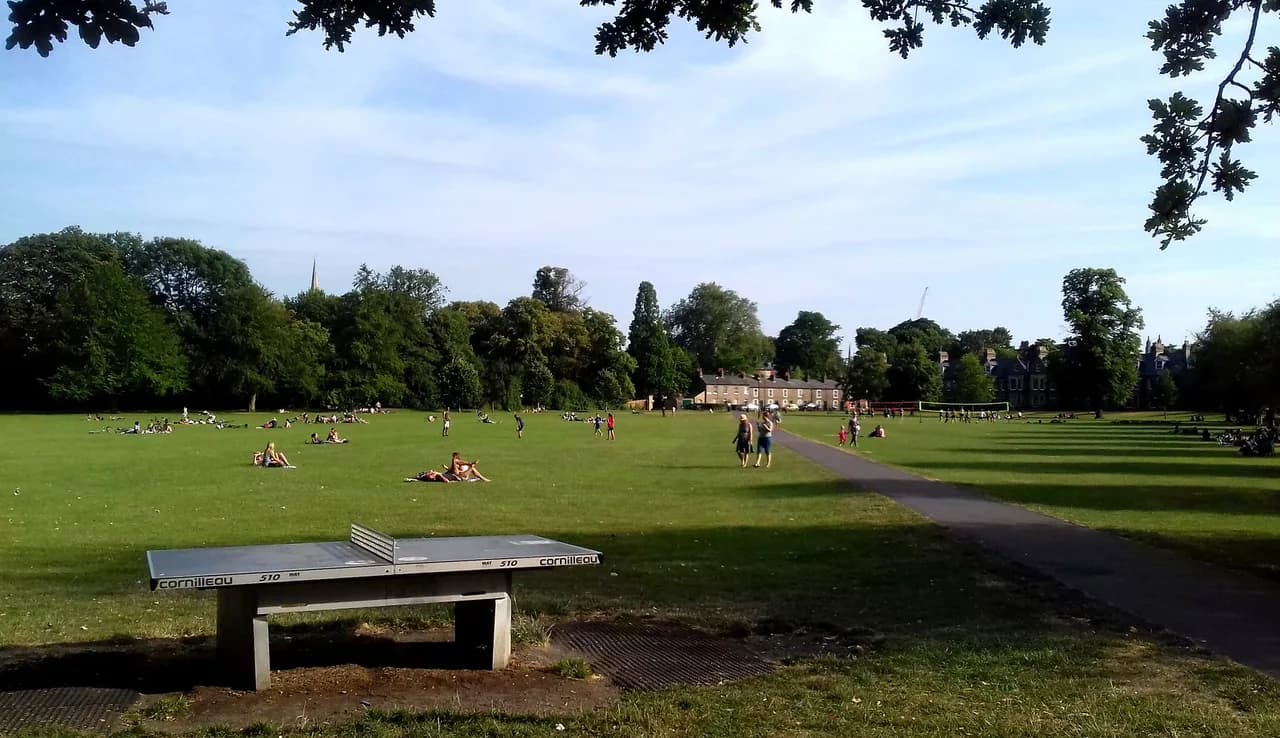
Parker's Piece sits near the city centre at CB1 1NA and is one of Cambridge's best-known open spaces, with grass kept short for picnics, football and cricket. Its name comes from Edward Parker, a cook who held the original lease when the land was used for grazing. It is the easiest green space to fold into a day of sightseeing because you do not need to travel out of the centre to reach it.
The park carries a slice of sporting history: university students who played football here published an early set of rules for the game in 1848, and the Cambridge Rules sculpture near the corner of Gonville Terrace and Parkside marks it. Look out for the gas lamp at the crossroads of the paths, erected in 1893 and nicknamed Reality Checkpoint by students in the 1960s. Both are quick landmarks to point out as you cross the grass.
From mid-November into the new year, part of Parker's Piece becomes a winter village with an outdoor ice rink, curling, family rides, traditional games, seasonal entertainment and food and drink stalls from independent traders. Treat it as a bonus rather than the reason for your visit, since the rest of the year the piece is simply open grass. The Hobbs Pavilion community room sits on the northwest edge if you need a landmark.
Grantchester Meadows: riverside walking
Grantchester Meadows is 50 acres of meadow running alongside the River Cam, and it is the pick for a gentle waterside walk rather than a formal park. The flat ground and river setting make it a natural pair with a punt or row along the Cam, and the walk out from the city is part of the appeal. Wear shoes you do not mind getting slightly damp after rain, as meadow ground holds water.
The meadows belong to Cambridge Past, Present & Future, the charity that owns and cares for more than 550 acres of green space in and around the city. That wider estate spans parks, nature reserves, farmland, woodland and meadows, most of it open to the public free of charge. Grantchester Meadows is listed among the charity's public green spaces, so you can plan a visit without booking.
Wandlebury Country Park: woodland in the Gog Magog Hills
Wandlebury Country Park covers 150 acres of woodland, meadows, orchard and ponds in the Gog Magog Hills, south of the city. This is the choice when you want trees, shade and a proper countryside walk rather than a city lawn, and it rewards a half-day rather than a quick stop. The mix of habitats means the scenery changes as you walk, which keeps children more engaged than a single open field.
Access at Wandlebury is better than at many countryside sites: visitors with disabilities can park for free, and an all-terrain mobility scooter is available for free hire. Some of the charity's green spaces also offer parking, paths, toilets, information, seats, picnic areas and informal play. If mobility is a concern, Wandlebury is the site to prioritise.
Coton Countryside Reserve: farmland and a surfaced path
Coton Countryside Reserve is 350 acres of farmland and new habitats, the largest single holding in the charity's green space portfolio. It is a place for wide views and easy miles rather than ancient scenery, since much of it is recently created habitat. The reserve has a concrete path built for walking trails, which makes it the most straightforward countryside option for pushchairs and wheels.
The charity publishes walking trail maps for Coton, so download one before setting out rather than relying on signage alone. Facilities vary between its sites, with parking, paths, toilets, information, seats, picnic areas and informal play provided at some rather than all of them. Check the reserve's own page before you travel if a toilet stop matters to your group.
Barnwell Meadows and the Chisholm Trail
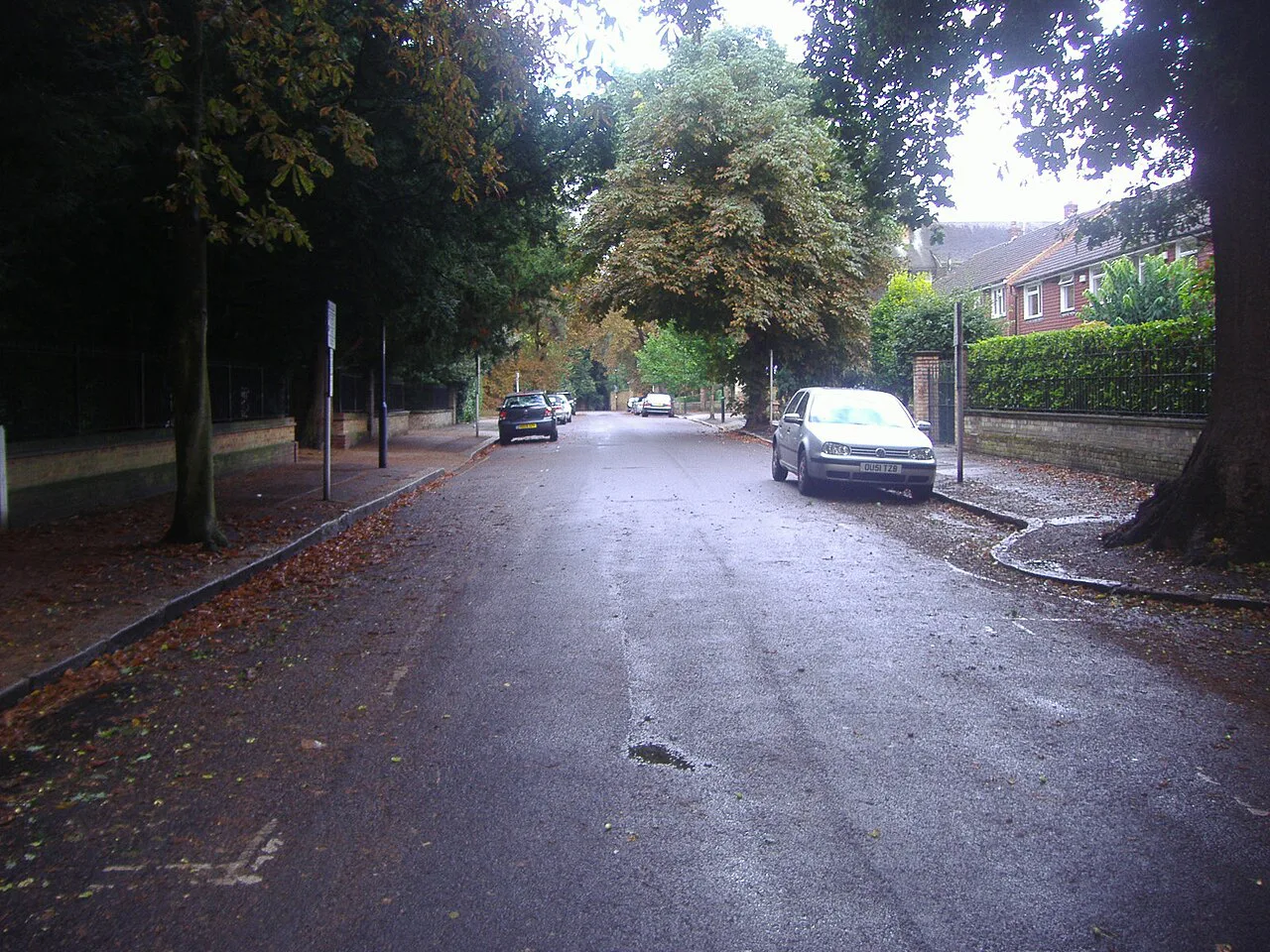
Barnwell Meadows is a small, four-acre meadow in Cambridge that includes part of the Chisholm Trail, a detail that is easy to miss on a map. That link makes it a useful green pause if you are already walking or cycling the trail rather than a destination in its own right. Treat it as a short leg-stretch, not a half-day out.
Smaller city-centre spaces
Jesus Green and Coe Fen round out the central options, giving you a northern riverside lawn and a wilder wet meadow close to the colleges. They appear in local round-ups of Cambridge's parks alongside Parker's Piece, Grantchester Meadows and Wandlebury, which helps you see how the pieces fit together. Use them as flexible fillers between museum visits rather than fixed appointments.
If rain sets in, swap the grass for the city's collections and leave the parks for a drier hour. The Fitzwilliam Museum is the obvious free anchor for a wet afternoon, and the city's museums give you a ready-made plan B. Build your day around one outdoor block rather than three.
A wet morning is the moment to check the indoor activities in Cambridge before committing to a park plan, since several collections sit close to the centre and need no travel time. Keep one indoor and one outdoor option open each day so a shower costs you nothing.
Access and facilities
Facilities across Cambridge's green spaces are uneven. Cambridge Past, Present & Future provides parking, paths, toilets, information, seats, picnic areas and informal play at some of its sites, so treat each one individually. Confirm the specifics for the park you have chosen before you set off, especially if you are travelling with young children or someone with limited mobility.
Separate public green space from private conservation land. The charity lists Tebbit's Wood near Little Shelford, Comberton Woods near Long Road and Balsham Wood & Farm near Balsham as private woodland farmland, so do not plan a visit to those with the assumption of open access. Stick to the sites it names as public: Wandlebury, Coton, Grantchester Meadows and Barnwell Meadows.
How to choose: central convenience or countryside space
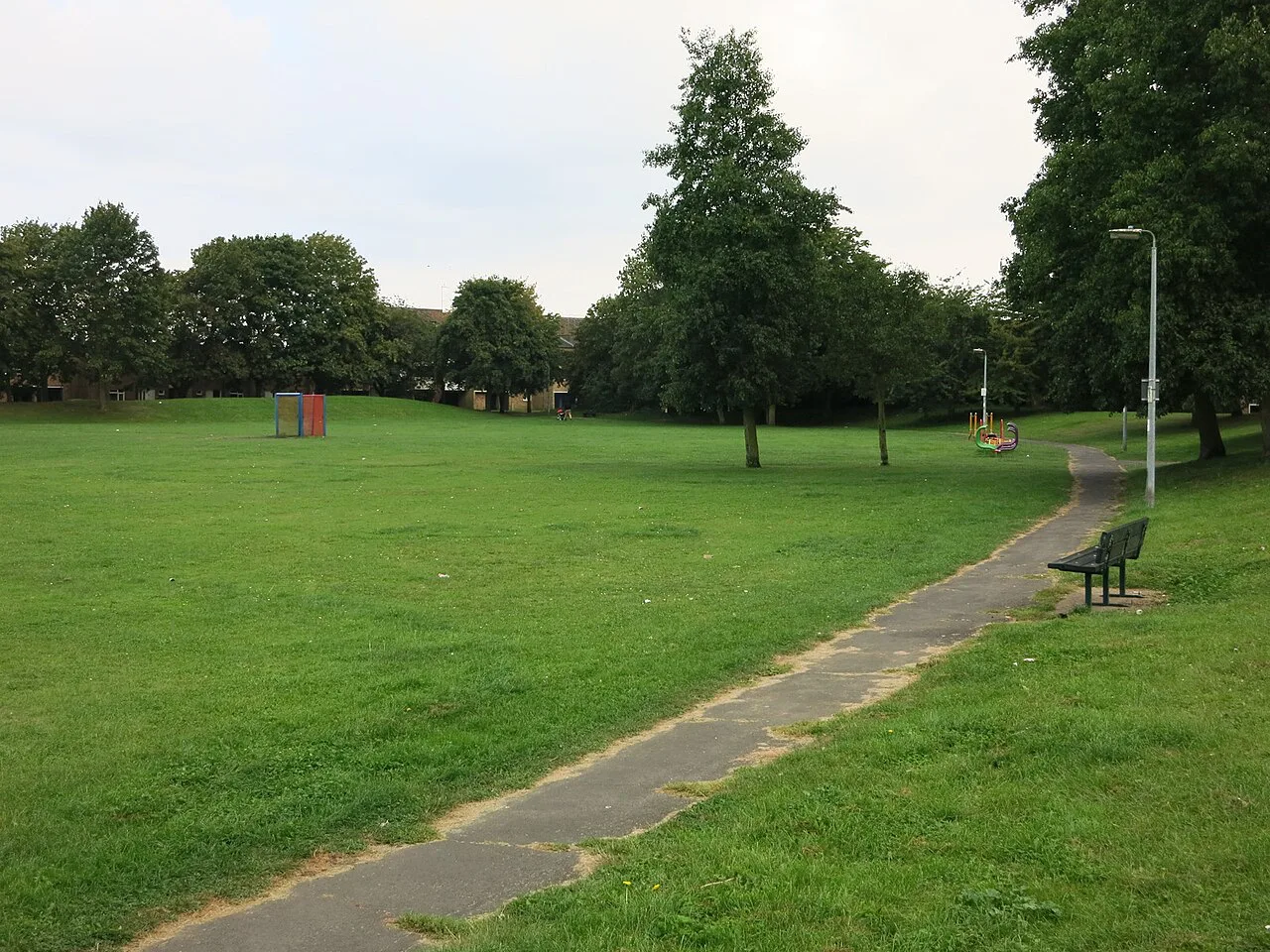
If your time in the city is tight, stay central. Parker's Piece costs you almost no travel time and sits near the sights, markets and colleges you are already visiting, so it slots into a walking day. Choose it for a picnic lunch, a short rest or the winter village rather than for a long walk.
If you have a spare half-day, look to the edge of the city. Wandlebury gives you 150 acres of woods and ponds with the best confirmed access support, Coton gives you 350 acres with a surfaced path, and Grantchester Meadows gives you riverside walking on the way out of town. These need a bus, bike or car journey and a bit more planning. If you are weighing up edge-of-city green space elsewhere too, the parks in Inverness offer a similar mix of formal lawns and wilder waterside walks.
If you want a free city break indoors, museums fill the gap. On a hot day the parks win, and on a wet one a museum does, so hold both options open and decide on the morning.
Practical tips for a park day
Pack for changeable weather: a waterproof layer, something to sit on and water, since the parks are open spaces rather than café stops. The meadows beside the Cam can be soft underfoot, so choose shoes accordingly.
Time your visit for a weekday morning if you want quieter grass, and expect Parker's Piece to be busier at lunchtime and at weekends. Bring a bin bag for your litter where no bins are confirmed, and keep dogs under control where games are being played.
Plan Your Visit
Build a Cambridge day around one green space rather than several: Parker's Piece for a central sit-down, Grantchester Meadows for a riverside walk, or Wandlebury and Coton for a countryside half-day. Pair the parks with a museum or market stop so weather cannot spoil the whole plan.
Explore more Cambridge guides
Frequently Asked Questions
Are the parks in Cambridge free to visit?
Cambridge Past, Present & Future says most of the green spaces it owns and cares for are open to the public free of charge, which covers Wandlebury Country Park, Coton Countryside Reserve, Grantchester Meadows and Barnwell Meadows. Parker's Piece is a public park managed by Cambridge City Council, and the seasonal winter village on it is a separate attraction with its own arrangements.
What is Parker's Piece known for?
It is one of Cambridge's best-known open spaces, used for picnics, football and cricket. Students who played football there published an early set of rules for the game in 1848, commemorated by the Cambridge Rules sculpture near Gonville Terrace and Parkside, and the paths' crossroads gas lamp from 1893 is nicknamed Reality Checkpoint.
Can you walk from Cambridge to Grantchester Meadows?
Yes, the meadows run alongside the River Cam on the edge of the city and form a riverside walking route. Plan for flat, open ground that can be muddy after rain, and pair the walk with a punt or boat trip on the Cam if you want time on the water.
Which Cambridge green spaces have accessible paths?
Coton Countryside Reserve has a concrete path built for its walking trails, and Wandlebury Country Park offers free parking for visitors with disabilities plus an all-terrain mobility scooter available for free hire. Facilities vary between sites, so check the individual park's page before travelling.
Is Wandlebury Country Park open to the public?
Yes. Cambridge Past, Present & Future lists Wandlebury among its public green spaces and describes it as 150 acres of woodland, meadows, orchard and ponds in the Gog Magog Hills. It is separate from the charity's private woodland and farmland, such as Tebbit's Wood and Comberton Woods, which are not listed for public visits.
Where can you picnic in central Cambridge?
Parker's Piece is the most convenient central spot, with grass kept short and space for picnics and games, and it sits within easy reach of the city centre. The Hobbs Pavilion community room is on the park's northwest edge, and the winter village runs on part of the piece from mid-November into the new year.
What happens on Parker's Piece in winter?
From mid-November into the new year, part of Parker's Piece becomes a winter village with an outdoor ice rink, curling, family rides, traditional games, seasonal entertainment, decorated spaces, food and drink, and independent traders. It is a seasonal addition to the park rather than a year-round feature.
Sources
Notes for your next city break
Optional updates to our UK city guides.
You might also like
Continue reading
More guides you'll find useful