Liverpool Architecture: What to See on a City Walking Guide
Follow Liverpool's waterfront from the Three Graces at the Pier Head to Mann Island, the Royal Albert Dock and the Baltic Triangle.
On this page
Liverpool's architecture is best understood as one continuous walk rather than a checklist of buildings. Start at the Pier Head, where the early twentieth-century waterfront face of the city stands, then move south through Mann Island and the Royal Albert Dock into the Baltic Triangle. The route links Edwardian monumentalism, nineteenth-century dock warehousing and recent cultural buildings within a couple of miles.
Liverpool architecture in brief: a port city built on trade
Liverpool grew as a port, and its buildings map the phases of that trade. The waterfront carries the monumental face the city presented to shipping, while the streets behind hold the warehouses and commercial buildings that handled the goods. Reading the two together gives a clearer picture than looking at either in isolation.
The easiest way to see the layering is on foot, because the periods sit almost on top of each other. The Three Graces, the dock warehouses and the newer cultural buildings are all within sight of one another at the Pier Head end of the waterfront. Allow a half day if you want to stop at the museums as well.
Start at the Pier Head: the Three Graces
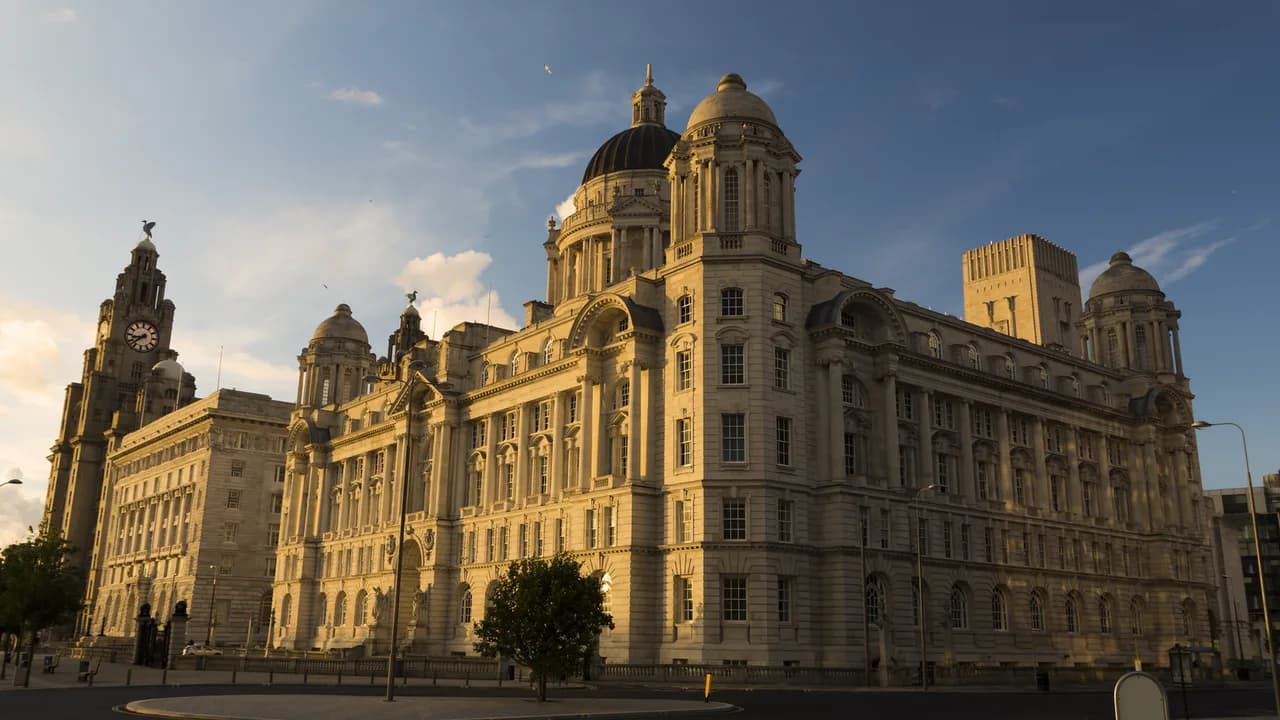
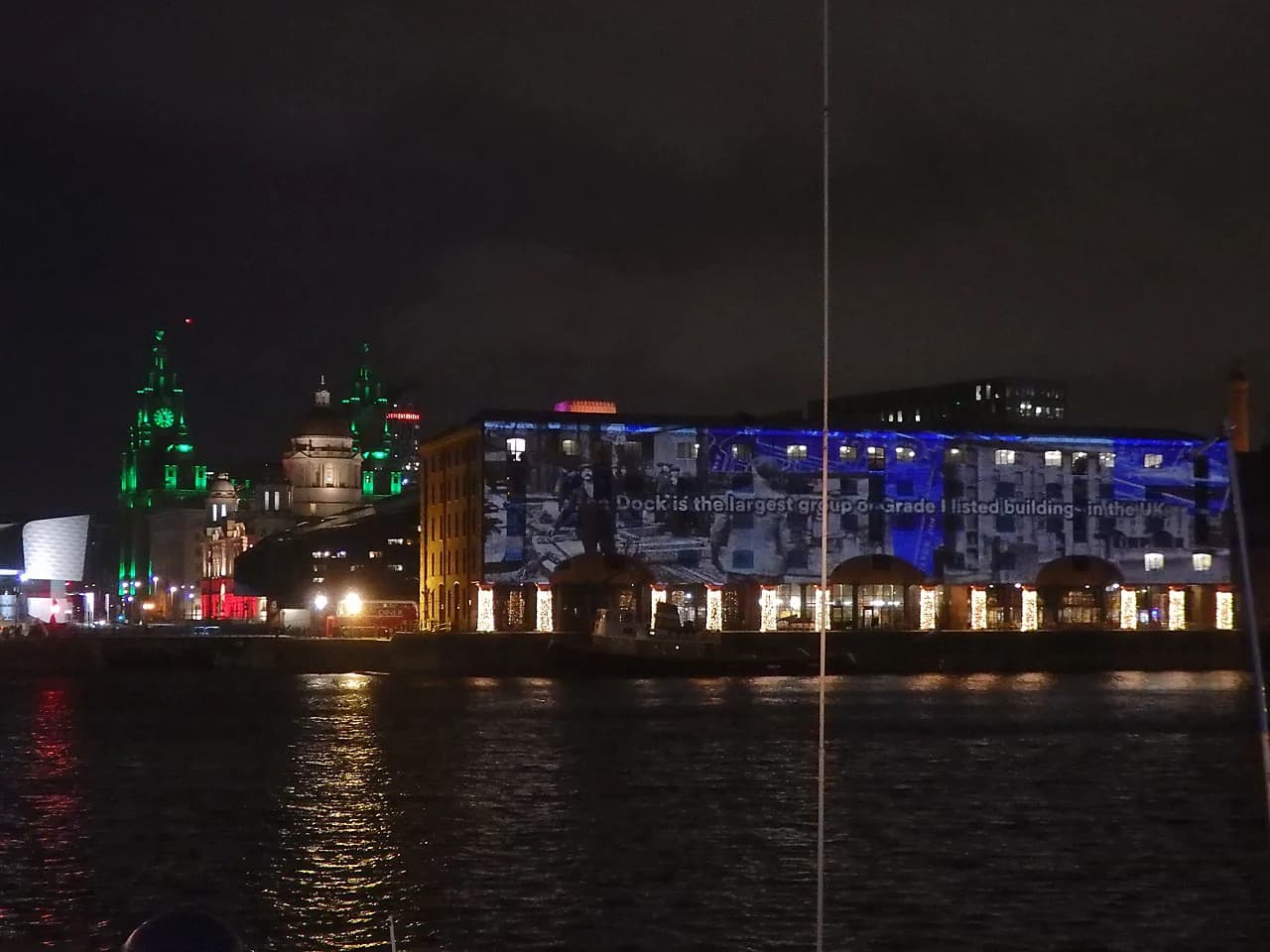
The Pier Head is the natural starting point, and its centrepiece is the group known as the Three Graces: the Royal Liver Building, the Cunard Building and the Port of Liverpool Building. They stand together on the waterfront and form the city's best-known skyline. Arriving here first gives you the context for everything further south.
These three buildings date from the early twentieth century and represent the economic power and ambition of Liverpool in its golden age. They are working landmarks rather than museum pieces, so you see them from the street and the waterfront promenade. The best approach is from the landward side, which lets you take in all three together before walking down to the water.
What to look for on the Three Graces
Look for the mix of styles rather than a single uniform one. The Three Graces blend classical, baroque and modernist influences, which is why they read as a group without being identical. Compare the rooflines and the treatment of the upper storeys, where the differences are clearest.
The Royal Liver Building, the Cunard Building and the Port of Liverpool Building each carry their own identity, and the group works because of the contrast. Walk along the promenade to see how the three sit against the river, then double back for a closer look at the detailing. This is the stretch to slow down on rather than pass through quickly.
The Museum of Liverpool by 3XN and Mann Island
A few steps from the Three Graces, the contemporary waterfront begins. The Museum of Liverpool, designed by 3XN, is a structure that contrasts with the historic surroundings and marks a new stage in the city's relationship with its heritage. It is the clearest single example of the waterfront's newer layer.
Alongside it stands Mann Island, designed by Broadway Malyan. Seen together with the Museum of Liverpool, the two show how recent buildings have been placed directly against the Edwardian waterfront. For anyone interested in how cities add to historic settings, this is the most instructive short stretch in Liverpool, and the same question of new buildings against old is taken up in this guide to Birmingham architecture.
Mann Island explained: reopening a closed port area
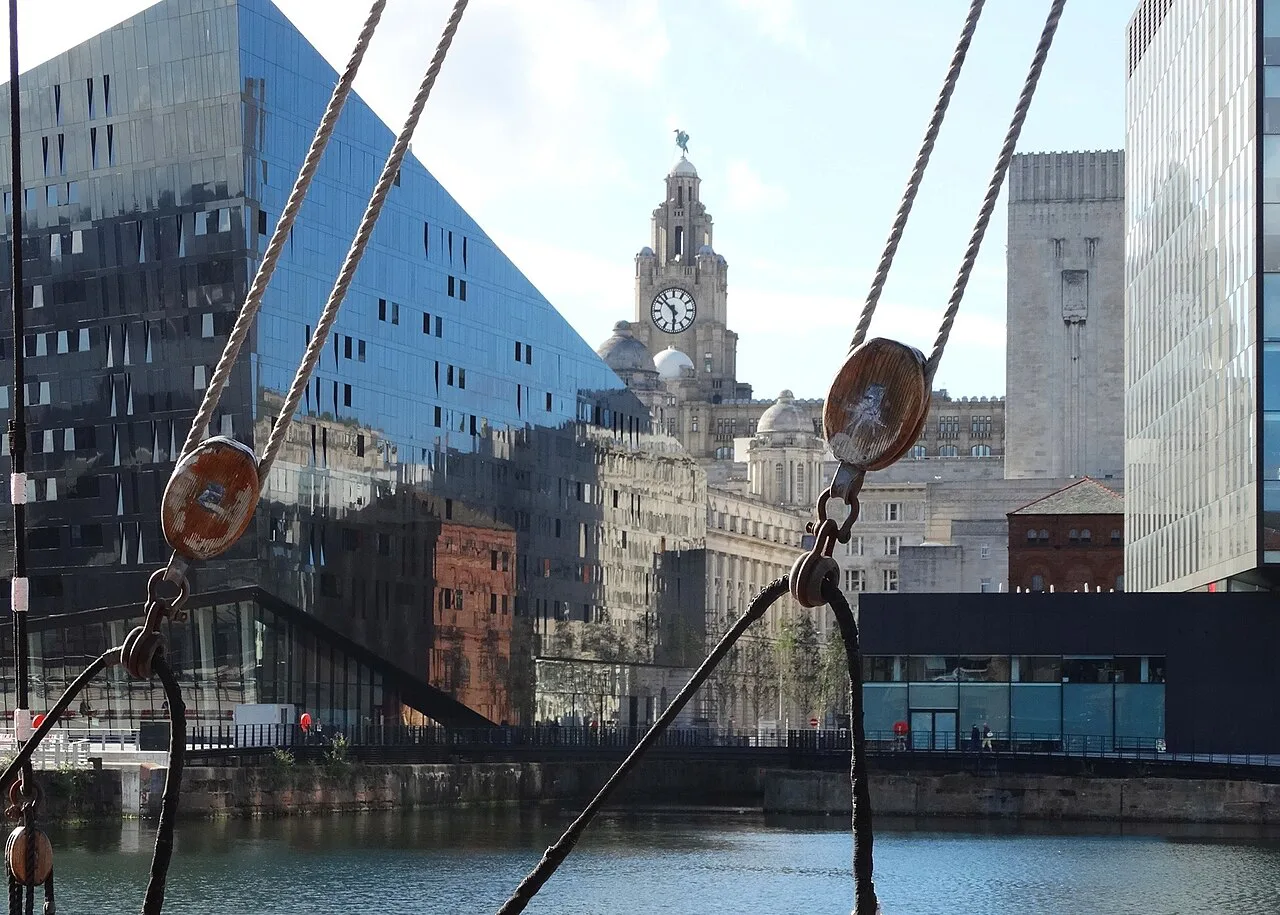
Mann Island is a mixed-use development that sits between the Three Graces and the Royal Albert Dock. Its purpose is to reconnect Liverpool's central promenade with its historic waterfront, transforming what had been a closed port area. The scheme comprises two residential buildings and a commercial building.
That function is what makes Mann Island worth pausing over, rather than the buildings alone. It is the piece that stitches the Pier Head to the dock, so the walk from one to the other is now continuous. Notice how the route opens up as you pass through it towards the water.
The Royal Albert Dock: cast iron, brick and culture
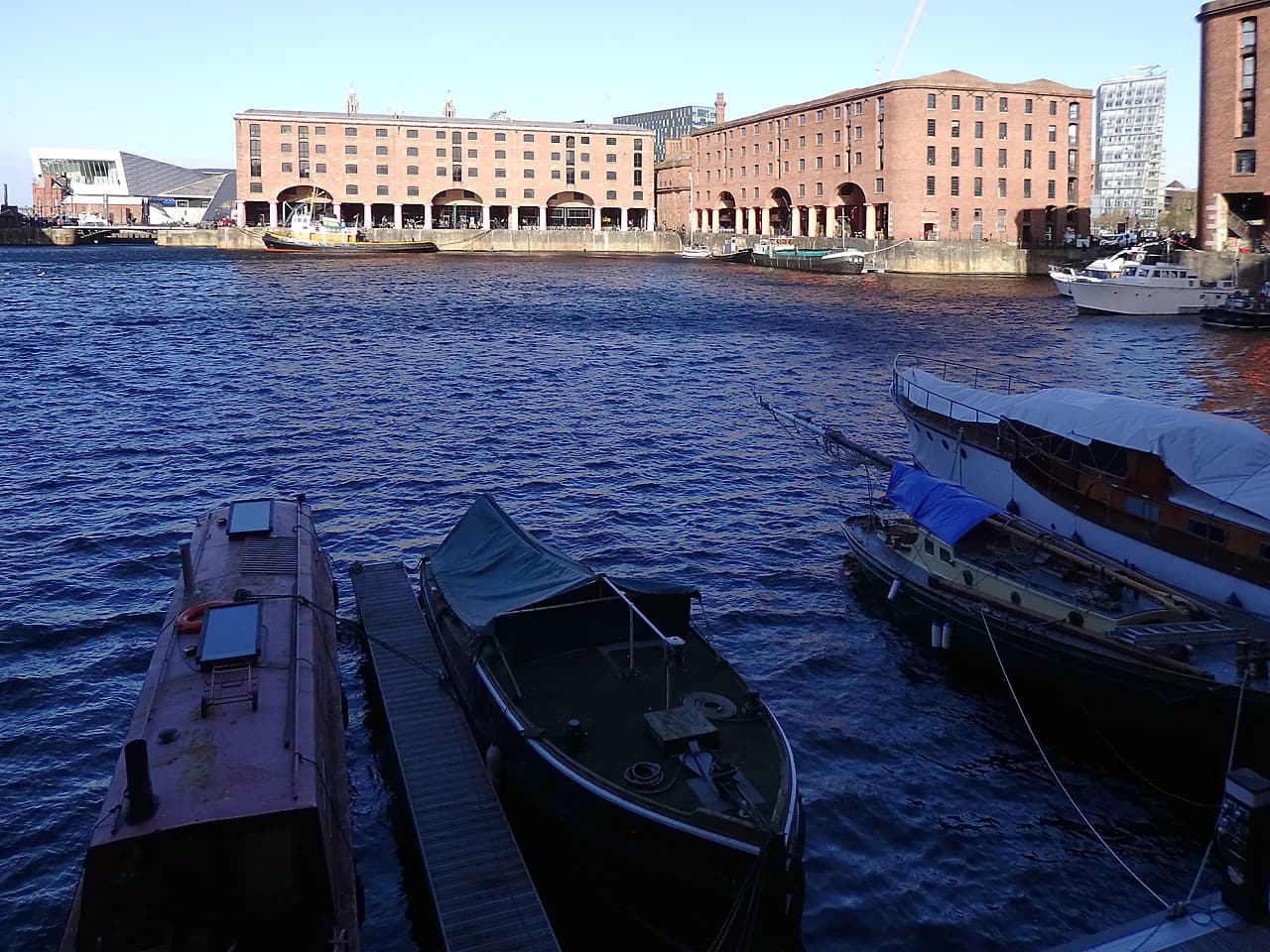
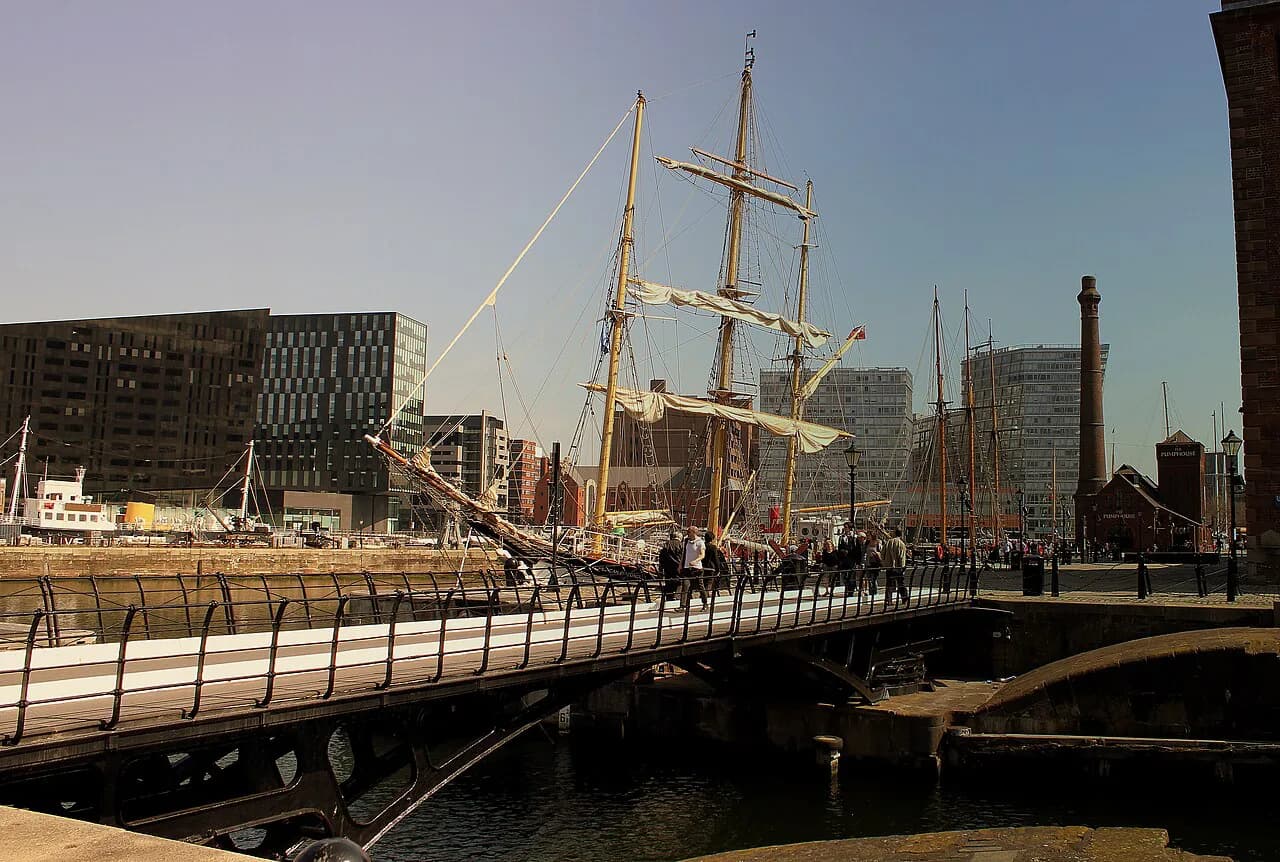
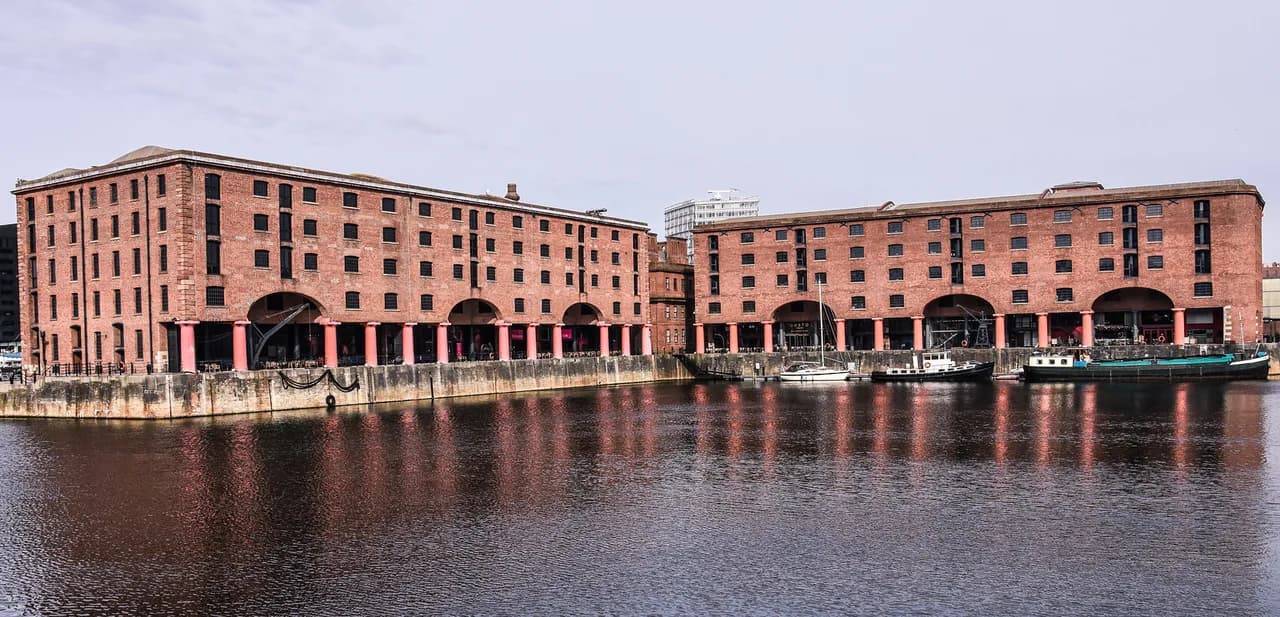
The Royal Albert Dock is a set of nineteenth-century port warehouses built entirely in cast iron and brick. Today the complex has been rehabilitated as a cultural and tourist area, and it is the point where the port's industrial boom, decline and recovery are easiest to read in the fabric of the buildings. The scale of the warehouses is the thing to notice first.
Within the dock area you will find the Maritime Museum and Tate Liverpool. Tate Liverpool is in the process of rehabilitation by 6a architects as part of the renovation plan for the sector, so check its status before planning a visit around it. The wider dock, though, remains the anchor of any architectural walk.
The dock's cultural buildings: Maritime Museum and Tate Liverpool
The Maritime Museum and Tate Liverpool are the two named cultural buildings in the dock complex. Both sit within the rehabilitated warehouse landscape rather than standing apart from it, which is part of what makes the dock distinctive. Plan the walk so that the dock is a destination, not just a corridor.
For a city break that balances buildings with collections, the dock area is the sensible base. The wider set of museums in Liverpool rewards a full day rather than a single stop, and several sit within easy walking distance of the waterfront. If you would rather not spend on admissions, there are free museums in Liverpool that make a low-cost pairing with the walk.
Walking route: Pier Head to Mann Island to the Royal Albert Dock
The core route runs from the Pier Head past the Three Graces, through Mann Island, and on to the Royal Albert Dock. It is a short, flat stretch along the waterfront, and the three phases of the city's architecture follow in order. Pace it slowly: the point is to look, not to cover distance.
A guided version of this exact stretch is offered by Artchitectours as a four-hour architecture and urban regeneration tour of the waterfront, starting at the Pier Head and ending near the Baltic Triangle. It is led by architect-guides, is available in Spanish, English, French and Portuguese, and has a maximum recommended group size of 25 per guide. Artchitectours runs private, customised tours rather than a fixed public timetable, and asks for advance notice rather than last-minute requests.
Continue south along the riverside towards the Echo Arena
From the Royal Albert Dock, the route continues along the riverside towards the Echo Arena. This stretch is more open and less densely built than the dock, so it works as a transition between the historic waterfront and the industrial south. Keep to the riverside path for the clearest sense of how the city meets the water.
The value of this section is the change of scale. After the enclosed dock warehouses, the riverside opens out, and you can see the waterfront as a whole behind you. It is also the point where the walk shifts from heritage to the newer layers of the waterfront.
End in the Baltic Triangle
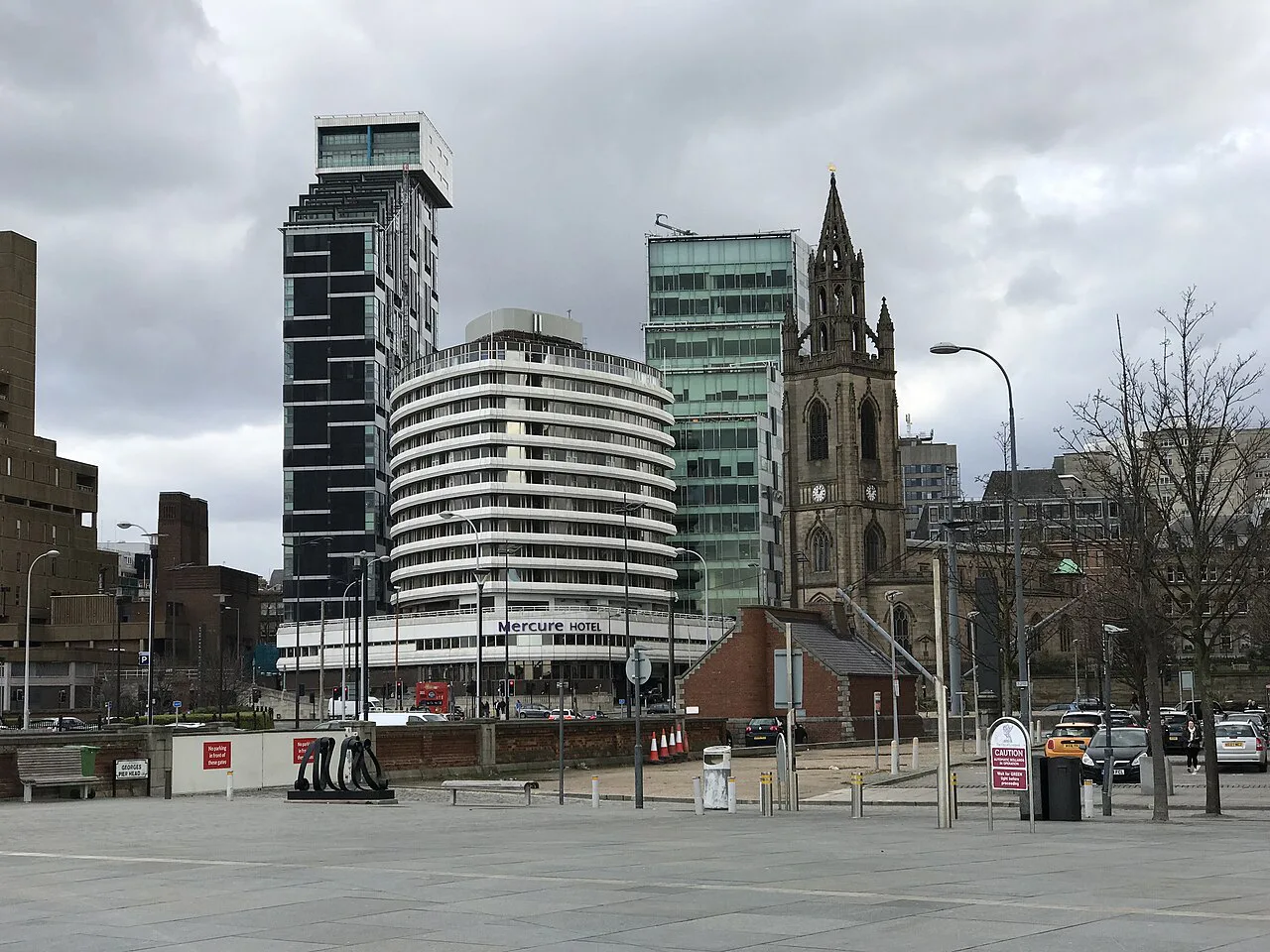
The walk finishes in the Baltic Triangle, a former industrial area now converted into one of the city's most creative and vibrant centres. The appeal here is repurposed architecture and street art, seen at street level rather than from behind a ticket desk. It is the natural end point because it shows what comes after the heritage waterfront.
The Baltic Triangle is also where the architecture profession still lives: the design studio unit3 is based at 22a Jordan Street in the district, working on projects that include the National Football Museum and the Baltic Film Studio. That mix of old buildings and working studios is the area's character. Wander the streets rather than heading for a single address.
Architecture tours in Liverpool: what a guided waterfront tour covers
A guided tour is worth considering if you want the architectural thinking behind the buildings rather than just the view. The Artchitectours waterfront itinerary covers the Pier Head and the Three Graces, the Museum of Liverpool and Mann Island, the Royal Albert Dock with the Maritime Museum and Tate Liverpool, then the riverside towards the Echo Arena and the Baltic Triangle. It runs four hours with architect-guides.
Because Artchitectours customises each tour and does not run programmed departures, you request a quote for an individual or group tour rather than buying a ticket for a set time. The company advertises a response within 24 to 48 hours on weekdays. Plan well ahead if your trip is short.
Practicalities: booking ahead, group sizes and mixed weather
Book ahead if you want a guided architecture tour, because Artchitectours asks for advance notice and does not accommodate last-minute requests. Groups are capped at a recommended 25 per guide, which matters if you are organising for a society, school or office. Independent walkers need no booking for the waterfront route itself.
The waterfront is exposed, so wind and rain are a real factor on the Pier Head and the riverside stretch towards the Echo Arena. Wear layers and carry waterproofs rather than relying on shelter, and keep the museum stops as your wet-weather fallback. A short walk done in comfort beats a long one done in the rain.
Where Liverpool architecture sits in a city break
The walk pairs naturally with a museum day. National Museums Liverpool sites sit along and near the route, so you can break the walk with a collection and pick it up again afterwards. That is the most efficient way to see both the buildings and what is inside them.
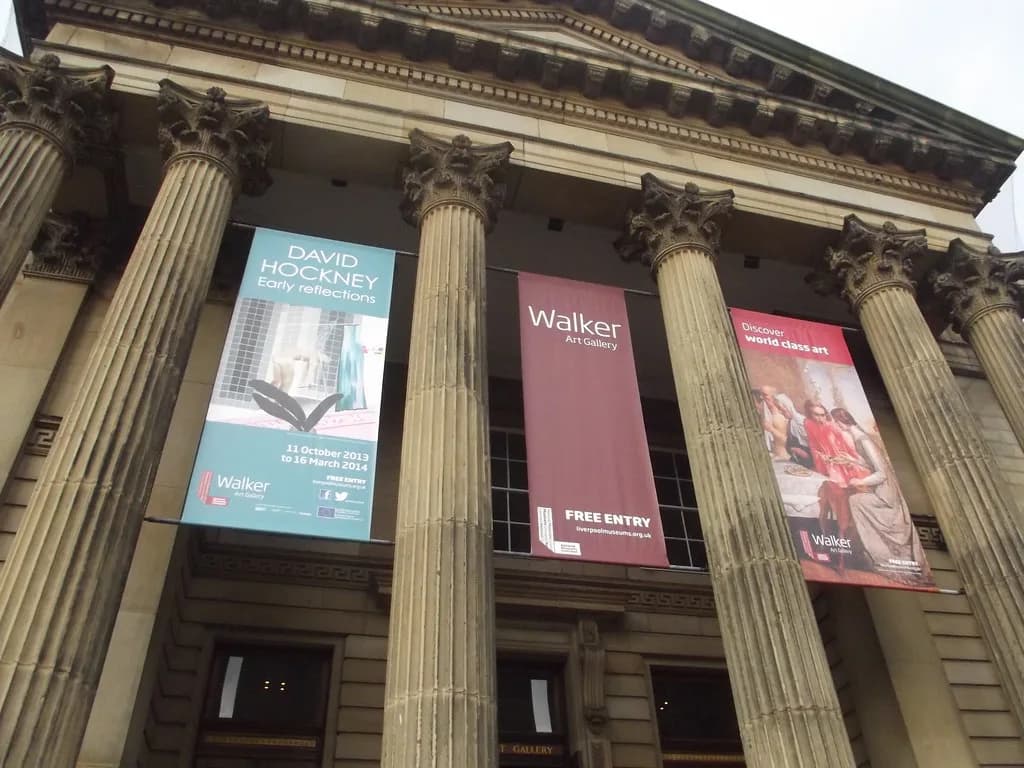
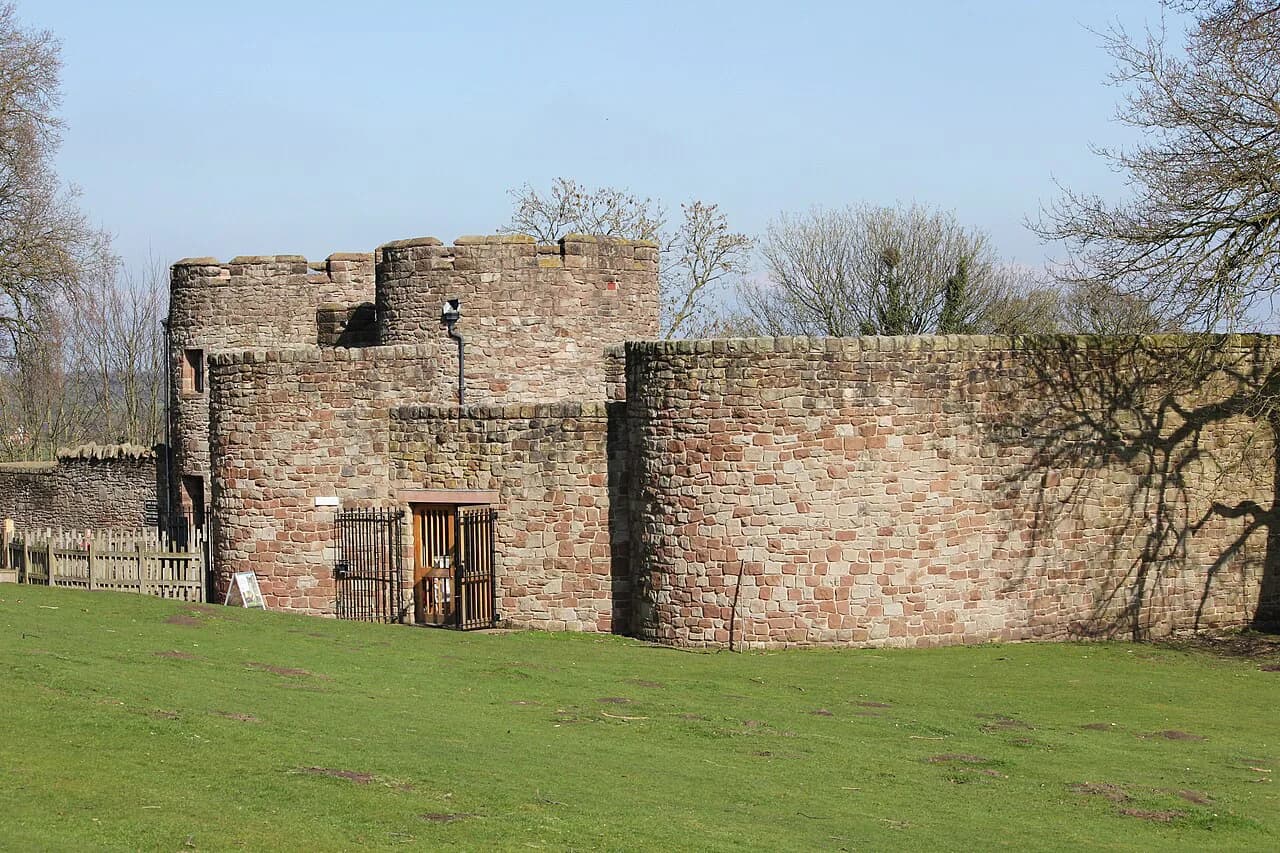
For those who want art as well as architecture, the city's art galleries in Liverpool give the dock's cultural buildings a wider context. If your interests run to older buildings, the castles near Liverpool make a separate day out rather than an addition to this walk. Build the city break around one full walking day and one museum or gallery day.
Plan Your Visit
The strongest single day in Liverpool for architecture is the waterfront walk: Three Graces, Mann Island, Royal Albert Dock, riverside and Baltic Triangle, in that order. No ticket is needed for the public waterfront route, and it gives you the city's whole building history in a few miles.
Add a guided tour only if you want the architect's commentary, and book it well ahead given Artchitectours' advance-notice requirement. Check Tate Liverpool's status before planning around it, since it is described as in rehabilitation. Everything else on the route can be seen from the street.
Explore more Liverpool guides
Frequently Asked Questions
What are the most famous buildings in Liverpool?
The Royal Liver Building, the Cunard Building and the Port of Liverpool Building, known together as the Three Graces, are the city's best-known group. They stand on the Pier Head waterfront. The Royal Albert Dock warehouses are the other defining set.
What are the Three Graces in Liverpool?
The Three Graces are the Royal Liver Building, the Cunard Building and the Port of Liverpool Building on the Pier Head. They date from the early twentieth century and mix classical, baroque and modernist influences. They are viewed from the street and promenade.
Is the Royal Albert Dock worth visiting for the architecture?
Yes, if you want to see how nineteenth-century port warehousing worked at scale. The warehouses are built entirely in cast iron and brick, and the complex has been rehabilitated as a cultural and tourist area. The Maritime Museum and Tate Liverpool sit within it.
How long does it take to walk the Liverpool waterfront?
A guided architecture tour covering the Pier Head to the Baltic Triangle is listed at four hours. Walking it independently takes less, but allow extra time for stops at the dock and the museums. The route is flat and continuous.
Can you do a guided architecture tour of Liverpool?
Artchitectours runs a private, customised four-hour waterfront tour led by architect-guides, available in Spanish, English, French and Portuguese. It is not a fixed public timetable, so you request a quote and need to give advance notice.
What is the Baltic Triangle known for?
The Baltic Triangle is a former industrial area converted into one of the city's most creative and vibrant centres. It is known for repurposed architecture and street art, and it is where the walk ends.
Sources
Notes for your next city break
Optional updates to our UK city guides.
You might also like
Continue reading
More guides you'll find useful