Liverpool Walking Tour: Which Route Should You Choose?
Plan a Liverpool walking tour with guided options from the Royal Albert Dock, plus a self-guided route through the waterfront and both cathedrals.
On this page
A Liverpool walking tour works best in two parts: a guided introduction of about two hours to get the story straight, then your own walk along the waterfront and up to the cathedrals. The city centre and docks sit close enough together that you can cover the headline sights on foot in a day without touching a bus. Book a guide only if you want the commentary; the route below stands on its own.
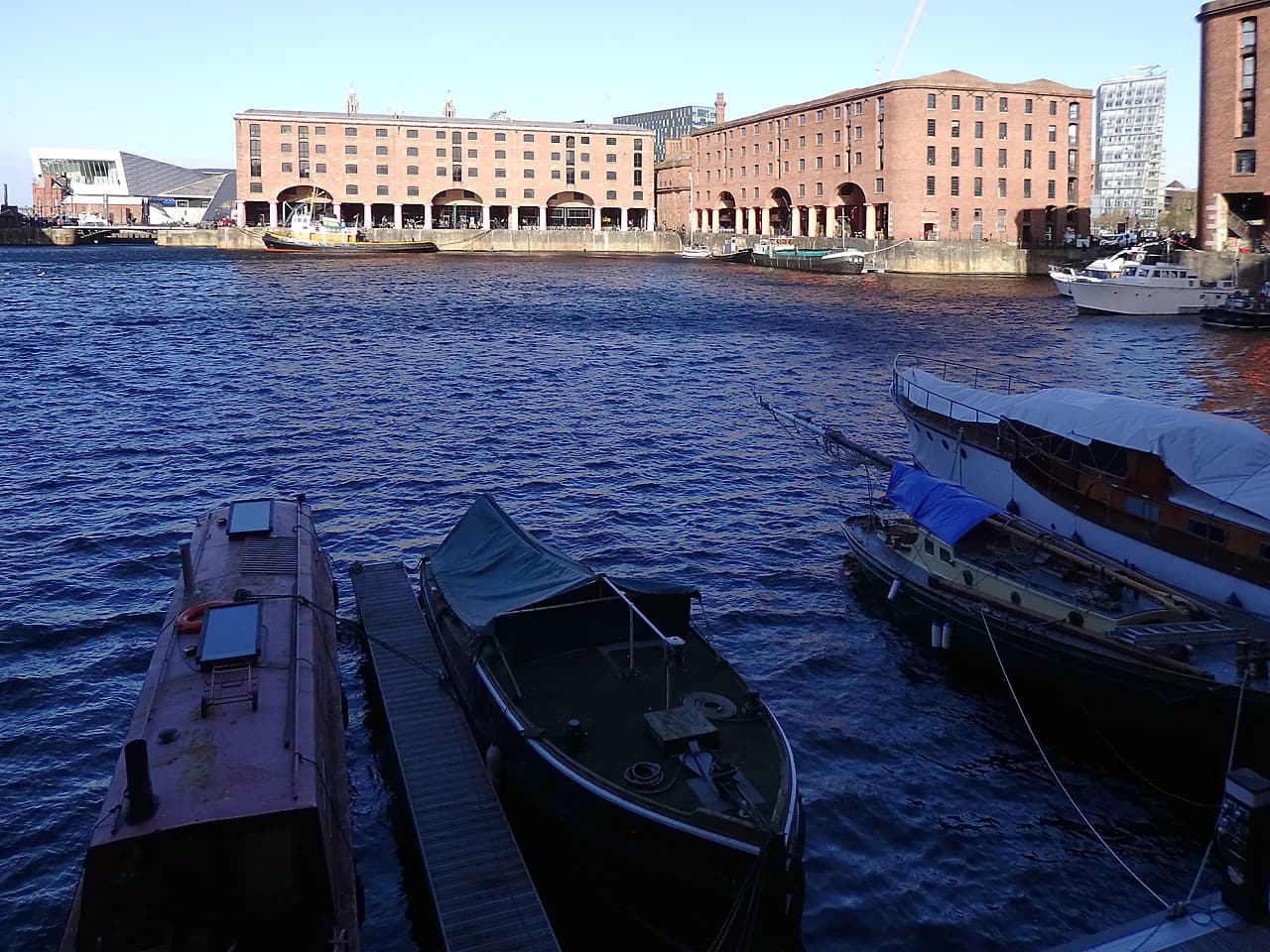
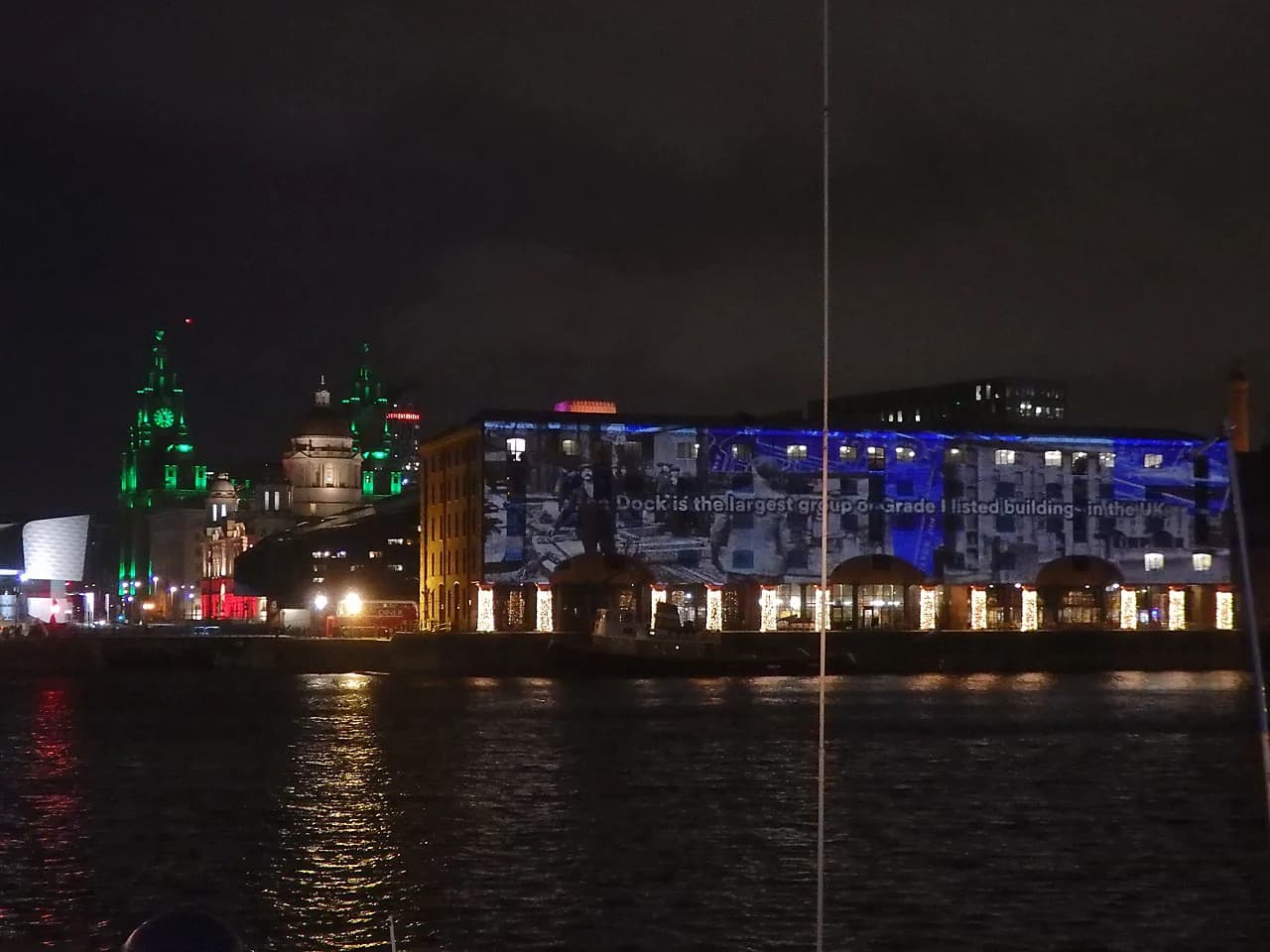
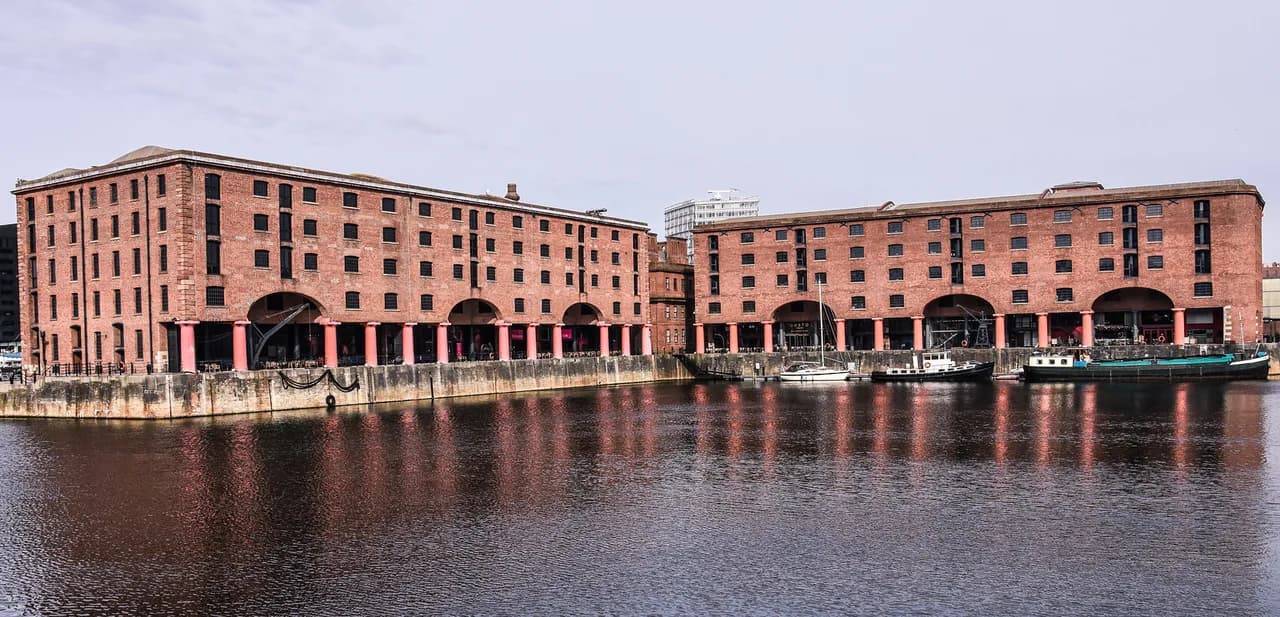
Start and finish at the Royal Albert Dock, which opened in 1846 to designs by Jesse Hartley with engineer Philip Hardwick. The warehouses fell out of use in the 1970s and were regenerated in the 1980s, so the same quayside now holds museums, galleries and restaurants. That makes it the natural base: you can walk out to the Pier Head, loop back through the city centre and return without retracing much ground.
What a Liverpool walking tour covers, and whether to book a guide or walk it yourself
Guided walks in Liverpool concentrate on the waterfront and the commercial centre, where the docks, the Three Graces and Mathew Street sit within a couple of miles of each other. A guide earns their fee on the stories: the slave trade and its abolition, the emigrant ships, the Cavern years. If you mainly want to see the buildings and the river, walking it yourself costs nothing and lets you set the pace.
The self-guided option suits anyone travelling on a budget or with children who tire of standing still. The trade-off is context: plaques and museum captions give you facts, not narrative, and the docks in particular reward someone explaining what you are looking at. A sensible compromise is one paid guided walk in the morning and your own route in the afternoon.
Liverpool Famous Walking Tours is advertised as a fully guided two-hour walking tour and is pitched as an introduction to the city. That length is a good yardstick for any guided walk you consider: two hours on foot covers a waterfront loop comfortably without dragging. See the Liverpool Famous Walking Tours site for departure points, days and prices before you commit a morning to it.
Where guided walks start: the Royal Albert Dock and city centre meeting points
Most guided walking routes use the waterfront as their opening set piece, because the dock warehouses give you scale, shelter and a clear landmark to gather around. The Beatles Magical Mystery Tour bus leaves from a stop at the Albert Dock, opposite the ticket booth where reserved tickets are collected, which tells you how central the dock is as a departure point.
City-centre meeting points cluster around James Street and Lime Street stations, both within walking distance of the docks. James Street is two stops and roughly five minutes by train from Lime Street, so arriving by mainline train does not force a taxi. Confirm the exact meeting spot with whoever you book, since operators change them.
Guided walking tours on offer, and how long to allow
Beyond the general introductory walks, Liverpool has themed options: music history, maritime history and architecture. The two-hour format is the common shape, which fits neatly into a morning or an early afternoon. Do not stack two guided walks on the same day unless one is very short, because you will spend more time listening than looking.
Walking-tour listings are compiled by booking platforms and review sites, and departure times, group sizes and charges change with the season. Treat any listing as a starting point and book through the tour company itself, where the current terms live. This is the one place in a trip where a ten-minute check before booking saves a wasted morning.
Beatles-themed bus and walking tours: what you see and what you cannot enter
The Beatles Magical Mystery Tour runs for two hours, excluding the time you spend at the Cavern Club at the end. The bus stops for photographs at Beatles-related houses, including George Harrison's birthplace and the last Liverpool house known to have belonged to Paul McCartney, but passengers cannot go inside. It also passes Penny Lane and Strawberry Field, and the host talks through band history between stops.
Think of it as a seated orientation rather than a walk: you cover ground a walking tour cannot, but you trade pavement-level detail for the window view. If you want to stand on Penny Lane itself, plan a separate trip out there. If you mainly want the story told in sequence with the key addresses pointed out, the bus does that efficiently in an afternoon.
Self-guided walk: Royal Albert Dock to the Pier Head
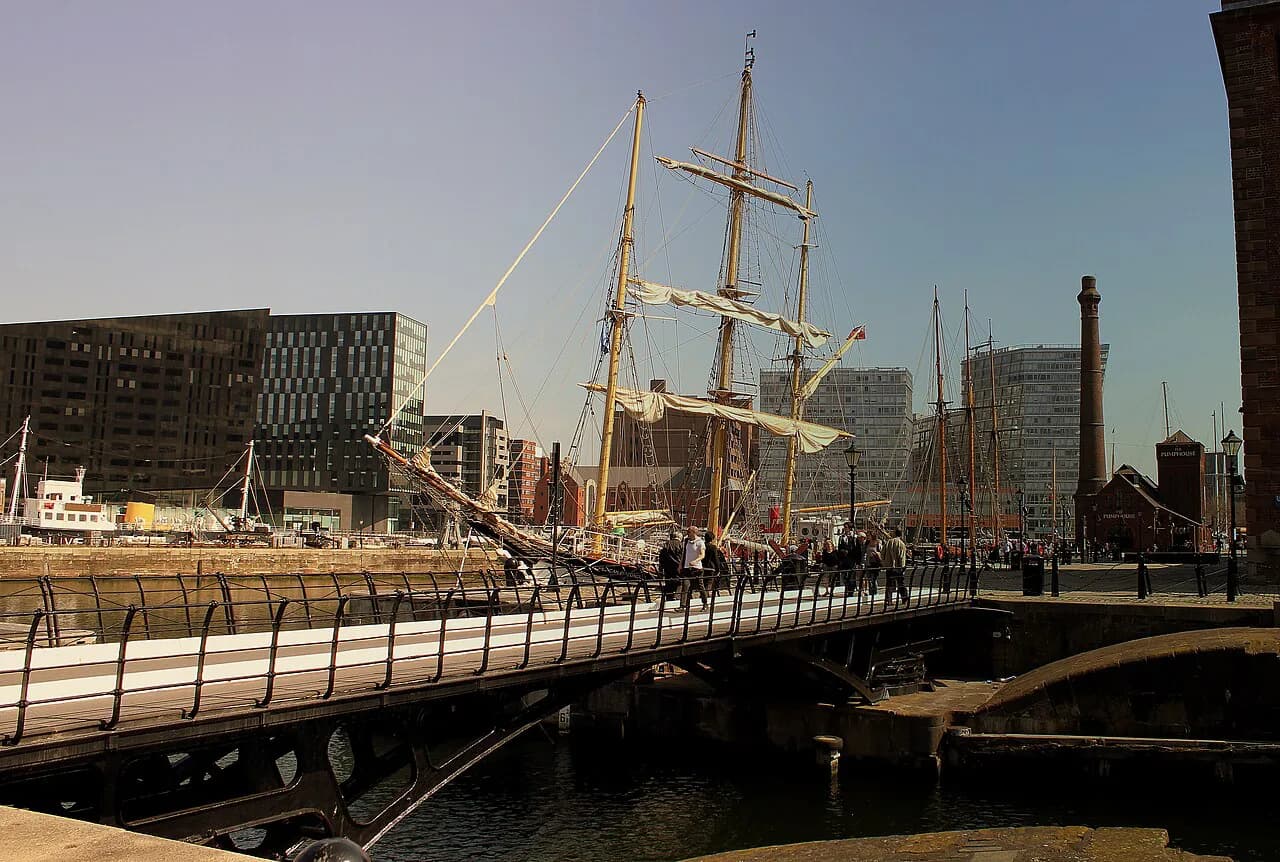
Begin at the Albert Dock and walk the quayside north towards the Pier Head, keeping the water on your left. The route is flat and paved the whole way, which makes it the easiest stretch of the day and the one to keep for tired legs. Allow time at the dock itself, because the Merseyside Maritime Museum and the International Slavery Museum sit right there and deserve more than a glance.
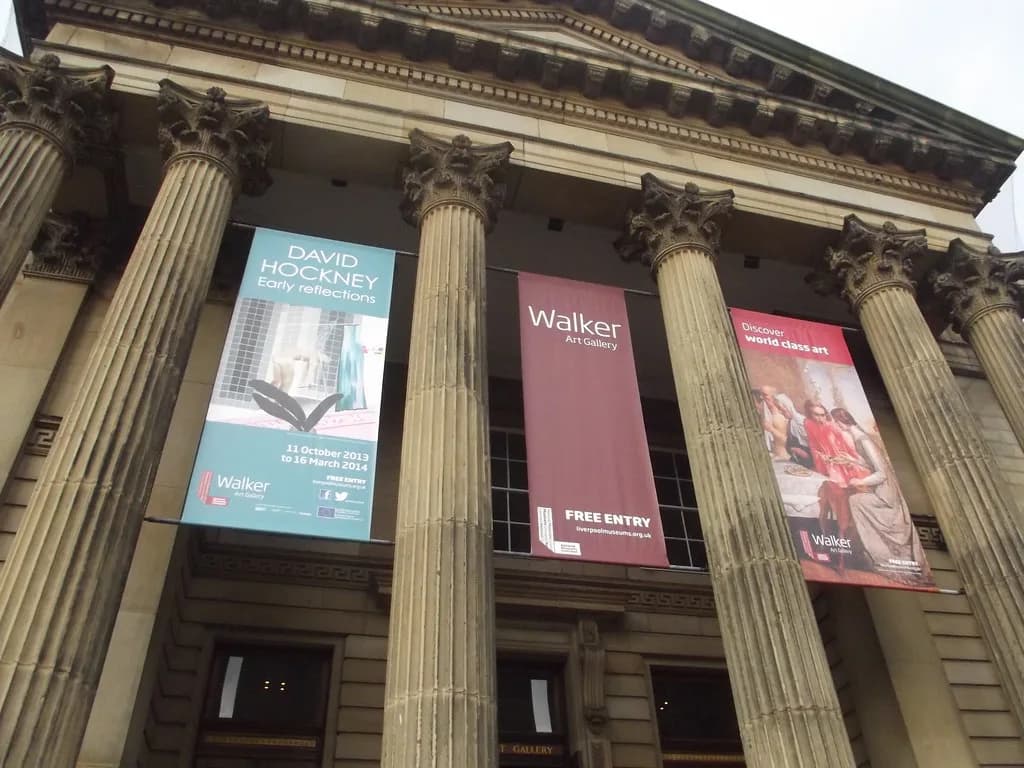
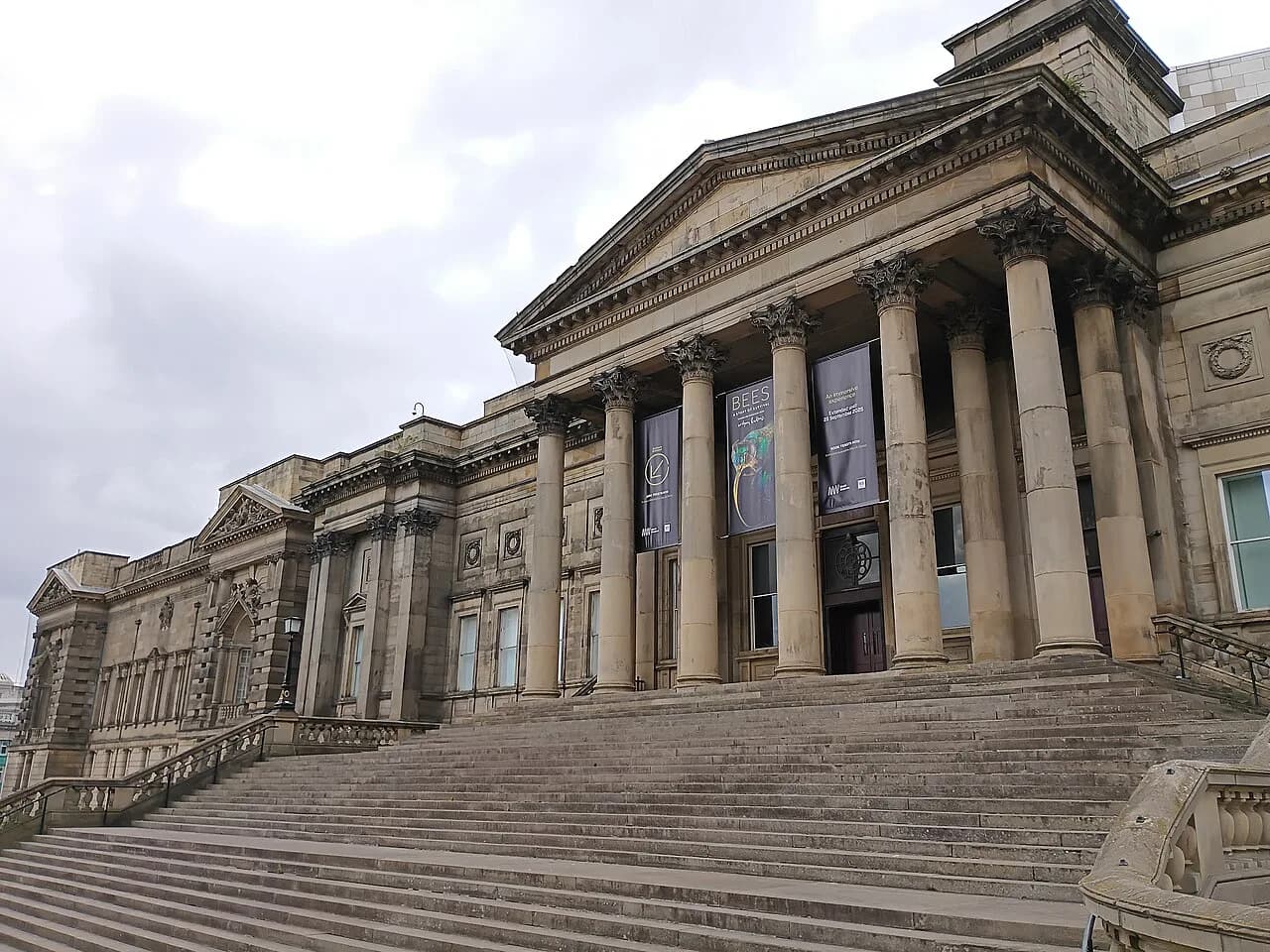
Culture on the dock is easy to fold into the walk: Tate Liverpool opened in 1988 in a converted warehouse, and The Beatles Story occupies another building nearby. Whether you go in depends on how much time you have, but the exteriors alone explain how the dock worked as a port. Entry to the national museums on the dock is free, so you can dip in for half an hour without feeling you must stay for a full visit; check the free museums in Liverpool guide before you plan your stops.

The Three Graces and the waterfront architecture
At the Pier Head the waterfront opens up into the trio of buildings known as the Three Graces, the most photographed being the Royal Liver Building with its clock towers and liver birds. Stand back towards the water for the full composition, then walk the length of the promenade to see how the group relates to the river. The Mersey itself is the reason for all of it, and the ferry crossing is the classic way to see the skyline from the water.
The architecture rewards a slower look than a guided walk allows: stone detailing, porticoes and the scale of the dock offices. If buildings are your main interest, build the walk around the waterfront and the commercial streets behind it rather than the cathedrals.
The city centre: Mathew Street and the Cavern Club
From the Pier Head, head inland to Mathew Street, where the Cavern Club opened in 1957 and became the centre of the city's rock and roll scene. The Beatles played there close to 300 times between 1961 and 1963, and the club today has been restored to its 1960s look and still hosts live music. The street around it is short and pedestrianised, easy to walk in ten minutes without stopping.
The Cavern is underground, reached by steps, which matters if anyone in your group uses a wheelchair or struggles with stairs. Check access arrangements with the venue directly before you plan the day around it. The music-history pull of Mathew Street also makes it one of the busiest spots in the centre, so walk it early if you want photographs without a crowd.
Liverpool Cathedral and the Metropolitan Cathedral
The two cathedrals sit at opposite ends of Hope Street, roughly a twenty-minute walk apart, and the stretch between them is the spine of any cathedral-focused walk. Liverpool Cathedral is the vast Anglican building on the high ground at the south end; the Metropolitan Cathedral, the circular Catholic one, sits at the north end near the university quarter. Walking from one to the other gives you the city's best single view of its religious architecture.
The Liverpool Metropolitan Cathedral is open daily from 7.30am, with limited visitor access during services, so time your arrival outside worship if you want to look around properly. The approach is uphill from the city centre, and Hope Street itself climbs between the two buildings. Anyone with mobility limits should consider a bus or taxi for this leg rather than walking it.
How long the self-guided route takes and how far it is
The full loop from the Albert Dock through the Pier Head, Mathew Street and up to the cathedrals is a comfortable half day of walking, with the cathedral-to-cathedral stretch adding roughly twenty minutes on its own. Add museum time on top: the dock museums alone can absorb an afternoon. Plan the walk as a morning, keep the afternoon free for one museum, and you will not spend the day hurrying.
Distances add up quietly. The Albert Dock to the Pier Head is a short quayside stroll, the Pier Head to Mathew Street is a few minutes inland, and Mathew Street to Liverpool Cathedral is the longest single leg. Break it with a stop rather than trying to march it in one go.
Steps, hills and surfaces: honest access trade-offs
The waterfront is flat, paved and largely step-free, which makes it the most reliable part of the route for anyone with a pushchair or wheelchair. The climb to the cathedrals is the opposite: Hope Street rises between them, and the approaches to both buildings involve slopes and steps. If the cathedrals are the priority, take transport up and walk back down.
Cobbles and setts around the older dock buildings and Mathew Street are uneven underfoot, so shoes matter more than they would on a city pavement. The Cavern Club's underground setting adds another set of stairs to the day. Build in more time than the map suggests if anyone in the group needs to pause.
When to walk: crowds around the docks and Mathew Street
The docks and Mathew Street take the brunt of the crowds, and both are at their worst in the middle of the day and at weekends. Walk the waterfront early, when the light on the river is best and the quayside is quiet, and save the museums for the middle hours. Mathew Street is short enough to pass through quickly if it feels packed.
Season matters less than you might think: the route is urban and works in most weather, but wind off the Mersey on the Pier Head is sharp in winter. Carry a waterproof and treat the dock arcades as shelter rather than a detour.
Booking ahead: which tours are worth reserving
Reserve the Magical Mystery Tour and any guided walk you have set your heart on, since both run to fixed capacities and a sold-out bus ruins the plan. The self-guided route needs no booking at all, and the dock museums are the main thing to check for timed entry.
Anfield stadium tours are bookable separately and sit outside the walking route, well away from the waterfront, so treat them as a half-day of their own. If you want a proper sit-down meal to finish, afternoon tea in Liverpool is easy to arrange in advance.
Plan Your Visit
Build the day around one guided walk of about two hours in the morning and your own route in the afternoon: dock to Pier Head, Pier Head to Mathew Street, then up to the cathedrals if your legs allow. That ordering keeps the flat waterfront for the start and leaves the climb for when you have decided whether to take it on.
If castles and country houses are more your thing than city streets, the castles near Liverpool make a different kind of day out, and National Trust members should note that Corfe Castle, Powis Castle and Garden and Croft Castle and Parkland all sit in its care. Book tours direct with the tour company, confirm access arrangements for the Cavern and the cathedrals, and let the walk do the rest.
Explore more Liverpool guides
Frequently Asked Questions
How long is the Beatles bus tour in Liverpool?
The Magical Mystery Tour runs for two hours, not counting the time you spend at the Cavern Club at the end, where you are free to stay as long as you like. The bus stops for photographs at Beatles-related houses but passengers cannot go inside them.
Is a Liverpool walking tour worth it?
Yes, if you want the story behind the buildings. A guided walk of about two hours covers the waterfront and city centre with commentary on the docks, the emigrant trade and the music scene. If you mainly want to see the sights, the self-guided route from the Royal Albert Dock to the cathedrals costs nothing and works at your own pace.
How far is the walk from the Royal Albert Dock to the cathedrals?
The dock to the Pier Head is a short quayside stroll, and Mathew Street is a few minutes inland from there. The cathedral stretch between Liverpool Cathedral and the Metropolitan Cathedral takes roughly twenty minutes on foot, and the ground climbs between the two.
Do you need to book a Liverpool walking tour in advance?
Book the Magical Mystery Tour and any guided walk you specifically want, because both run to fixed capacities. The self-guided route needs no booking, though dock museums may use timed entry. Check current departure points and availability on the operator's own page before you travel.
Can you enter the Beatles houses on the Magical Mystery Tour?
No. The tour stops briefly for photographs at houses including George Harrison's birthplace and the last Liverpool house known to have belonged to Paul McCartney, but passengers stay on the pavement. You see Penny Lane and Strawberry Field from the bus as well.
Is the Cavern Club accessible?
The Cavern Club is underground and reached by steps, which is a real constraint for wheelchair users and anyone who struggles with stairs. Check access arrangements with the venue before building your day around a visit.
When is the quietest time to walk the Liverpool waterfront?
Early morning. The docks and Mathew Street are busiest in the middle of the day and at weekends, so walk the waterfront first and save the museums for later. Wind off the Mersey on the Pier Head is sharp in winter, so carry a waterproof.
What is the famous road in Liverpool?
Penny Lane, immortalised by the Beatles, is the road most visitors ask about, and the Magical Mystery Tour passes it. Mathew Street in the city centre is the other name to know, home to the Cavern Club since 1957.
Sources
Notes for your next city break
Optional updates to our UK city guides.
You might also like
Continue reading
More guides you'll find useful