Roman Nottingham: Walls, Sites and Museum Collections
Roman Nottingham is a short trail of surviving walls and museum finds. Find out what remains, where to see it and how long the walk takes.
On this page
Roman Nottingham was a fort with a small civilian settlement around it rather than a major walled town, and what survives today is fragmentary. Most visitors see the story across two settings: scraps of masonry in the city and museum collections that interpret them. Plan a half-day and the pieces fit together without a lot of doubling back.
What Roman Nottingham Actually Is
Start by calibrating expectations. The Roman footprint here was modest, so there is no Colosseum-style set piece and no continuous circuit of town walls to walk. If you have already seen the great legionary centres, line up comparisons with Roman York and Roman Chester, where the scale and surviving archaeology are far greater. Nottingham's Roman material is best understood as an introduction to a frontier-era settlement rather than a headline attraction.
The Quick Answer: The Best Places to See What Remains
Your shortlist is simple: any surviving masonry in the older part of the city, and the museum collections that hold and explain the finds. Treat these as two halves of one visit, because the stones make little sense without the interpretation and vice versa. If you only have time for one, choose the museum side, where the objects and labels carry the story.
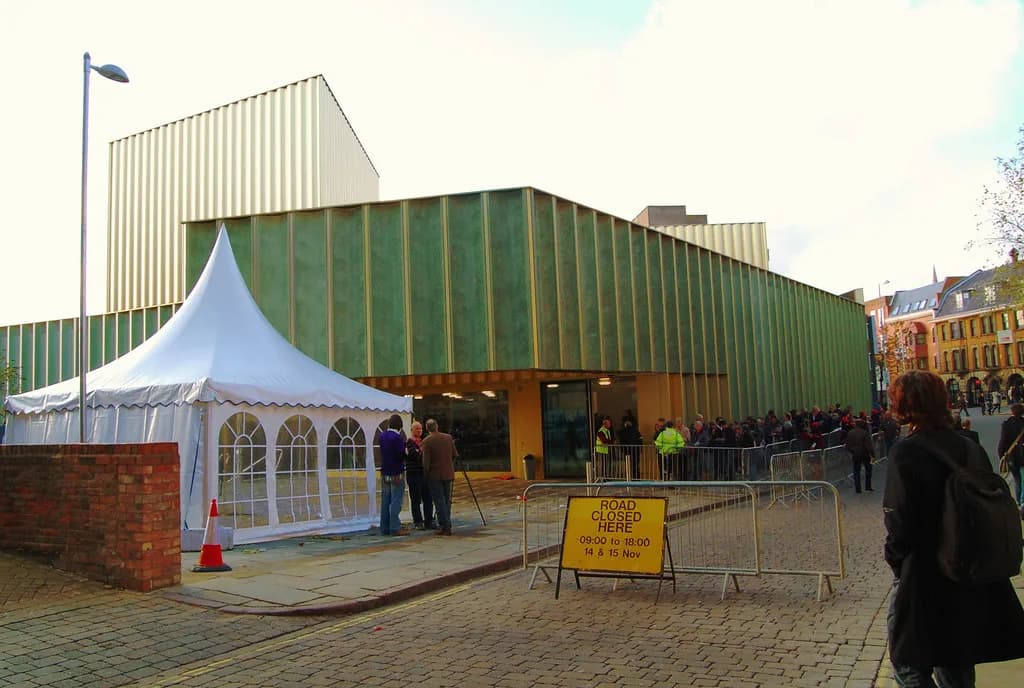
To plan the indoor leg, our guide to museums in Nottingham sets out the city's main institutions and what each does best. Pair that with the round-up of free museums in Nottingham if you want to keep the day cheap, since national and civic collections often cost nothing to enter. Verify the current opening days on each museum's own site before you travel, as these can shift by season.
Surviving Masonry: Where to Find It and How to Read It
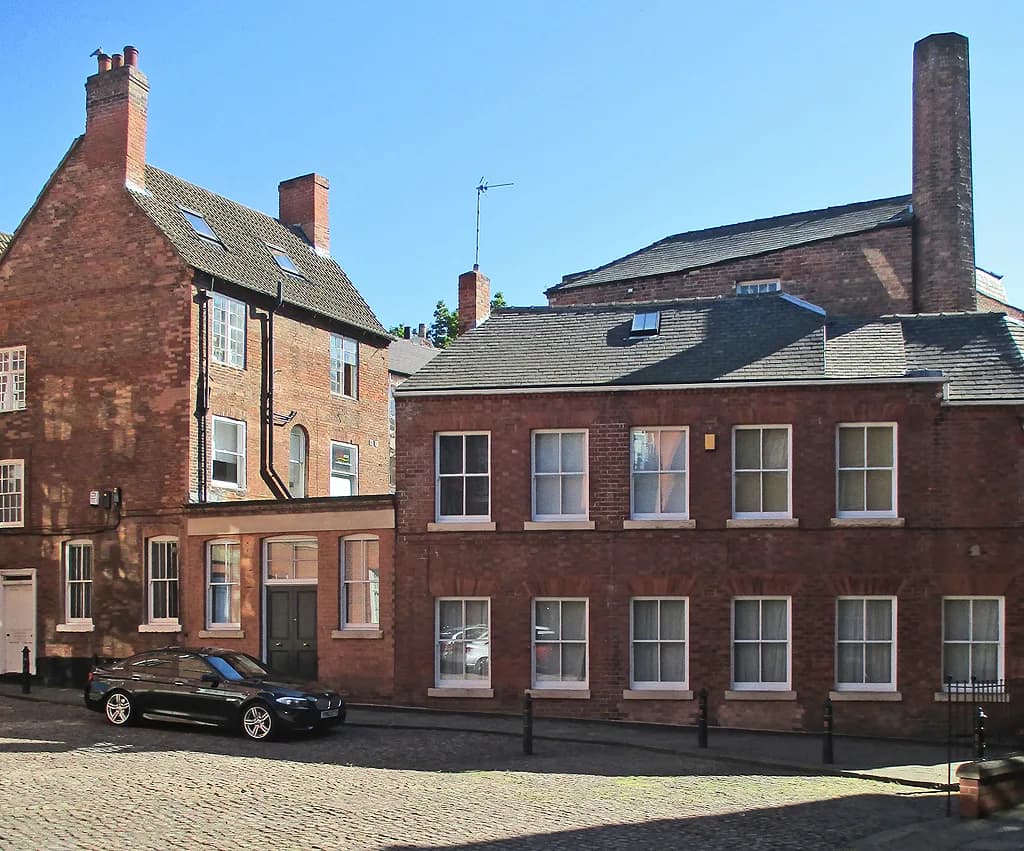
Fragments of Roman stone in a modern city are easy to miss and easy to misread. Look for the material itself, coursed rubble and squared blocks rather than the neat brick of later centuries, and read any adjacent panel instead of guessing the date. Resist the urge to treat every old-looking wall as Roman: Nottingham's above-ground fabric is mostly medieval and later, and only guarded sections are likely to be genuinely ancient. If you are interested in how the city's buildings developed after the Romans, the guide to Nottingham architecture explains the layers you are seeing.
Museum Collections: Reading the Finds
The finds are where Roman Nottingham becomes legible: pottery, coins, small metalwork and building material that fix the settlement in time and place. Read the case labels for context on where each object was dug up, because findspots are what tie a sherd to a specific street or riverside site. Allow around an hour for a focused look rather than trying to absorb an entire museum's Roman holdings alongside everything else.
Walking the Trail: Route Order, Distances and Time Needed
Order the day so you do not criss-cross the centre. Begin with the surviving masonry in the historic core while you are fresh, then move indoors to the collections, which are the natural place to finish. A half-day is a realistic budget for a careful visitor, including a pause at the museum cases. Do not bolt new distances onto your plan from guesses; check route lengths on a mapping app or the relevant site's own visitor information before you set off.
If you prefer company and commentary to self-guiding, consider a Nottingham walking tour, which will put the street pattern and the old town in order as you walk. Book only through operators whose terms, start points and accessibility you have confirmed directly with them.
Tickets, Access and What You Pay For
City museums vary: some are free to enter, while others charge or ask for a donation, and any special exhibition can carry its own ticket. Because the Roman trail mixes outdoor stone with indoor collections, split your budget accordingly and treat the outdoor leg as simply a walk. Check each venue's own website for the current admission position, opening days and any need to reserve a slot, as these change through the year.
One useful sanity check on city timings comes from retail rather than archaeology: the Victoria Centre shopping centre, listed at Upper Mall, NG1 3QN, keeps core hours of 9am to 5:30pm Monday to Saturday and 10am to 4pm on Sunday, and asks visitors to check centre hours for seasonal variations. Use that rhythm for orientation only, since retail hours tell you nothing reliable about museum opening days. Note also that a separate womenswear retailer called Roman has a branch on the centre's upper mall, with its own listing on the Victoria Centre's store page, and it is not connected to the city's Roman past.
Practical Trade-offs: Steps, Uneven Ground and Weather
The outdoor half of the trail is the awkward half. Historic masonry tends to sit behind railings, in churchyards or beside uneven paving, and the city centre's slopes mean steps and gradients are part of the deal. Wear shoes you can walk in for an hour or two and keep the museum visit in reserve for a wet afternoon. If mobility is a consideration, plan your indoor stop first and confirm step-free access with the venue before you go.
Nearby: Pairing the Trail With a Castle or Cathedral
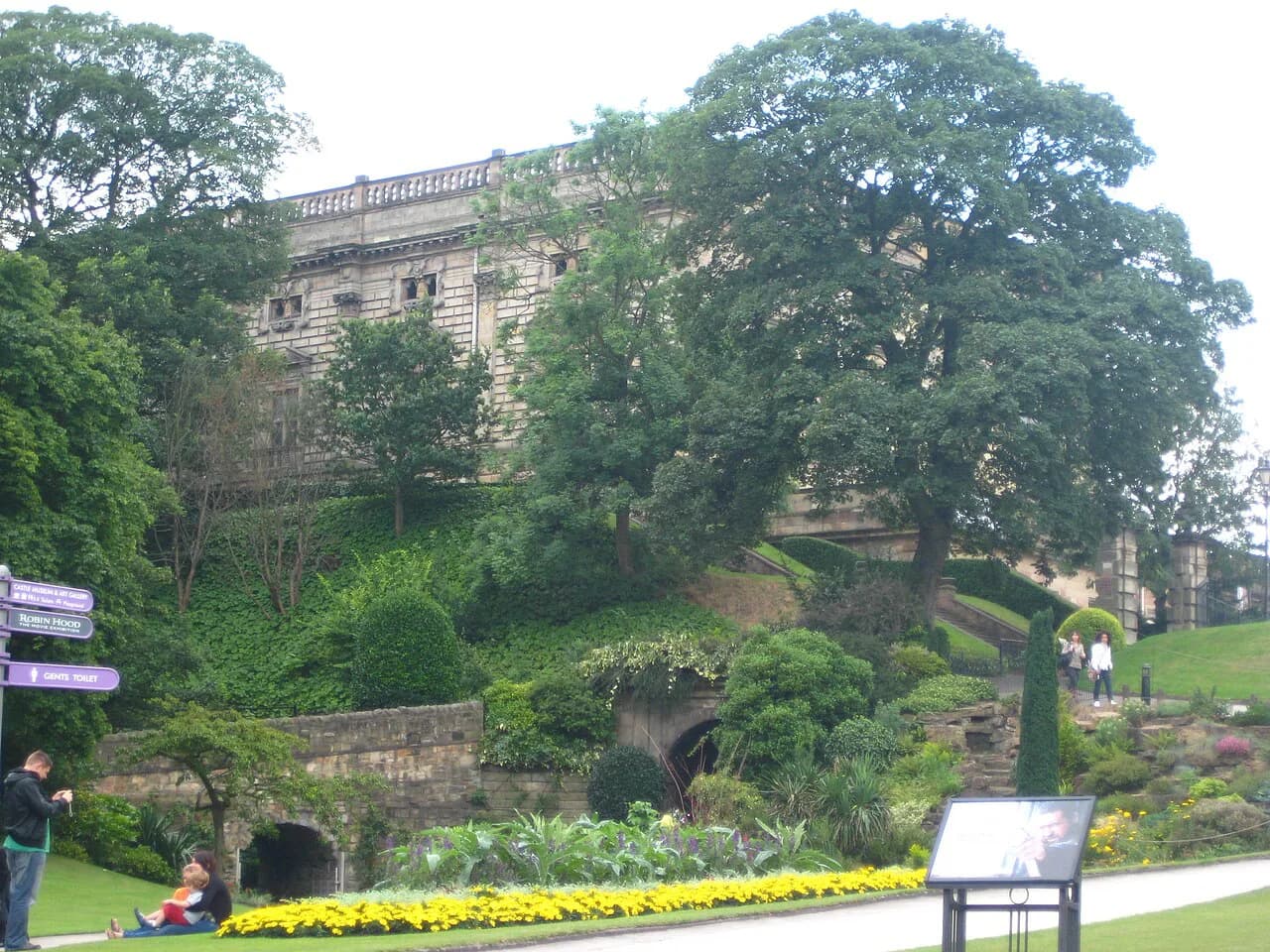
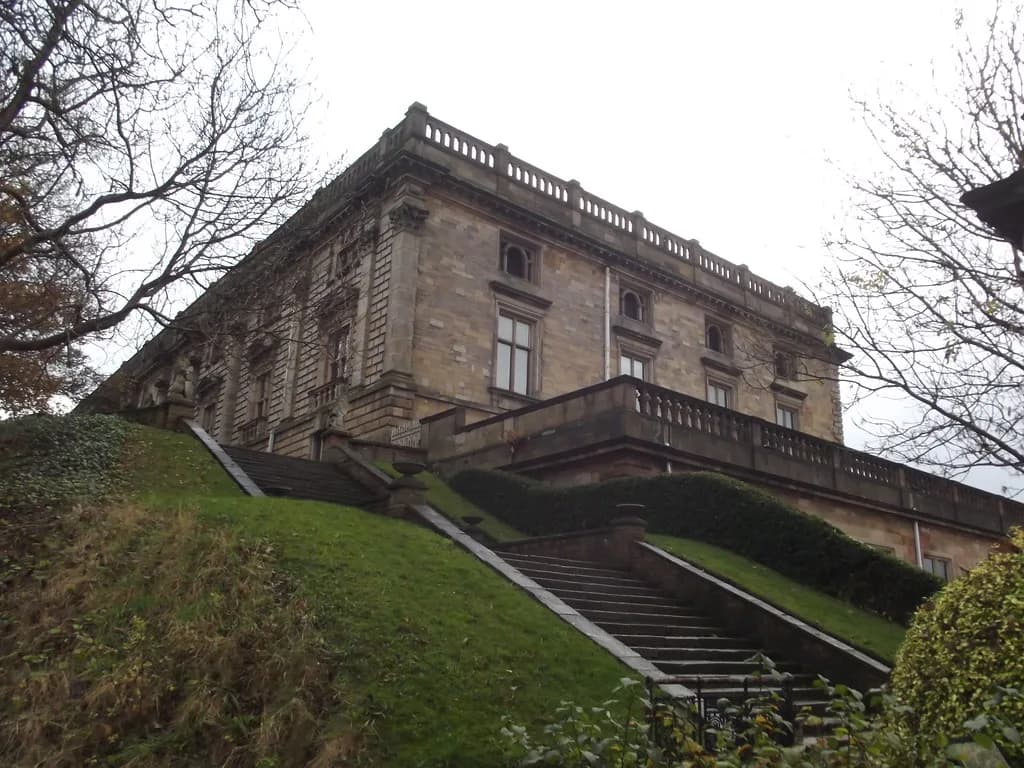
The obvious companion is Nottingham Castle, which carries the city's story forward from the medieval period into the civil war and beyond. Read our guide to castles near Nottingham for the wider choice of fortifications within reach, so you can decide whether to add a second site or keep the day short. If you want the fuller chronological sweep after the Romans, our history of Nottingham takes the story through the medieval centuries, when the town's shape was set.
To fill out a longer break, the guide to things to do in Nottingham covers the main draws and how they fit together, and the Nottingham Attractions: 8 Visitor Guides hub collects the city's individual venue write-ups in one place. If the Roman material has whetted an appetite for the period, Roman York and Deva Victrix in Chester are the two northern counterparts worth a dedicated trip.
Plan Your Visit
Roman Nottingham is a short, satisfying trail for anyone who likes reading the layers of a city, and it slots neatly into a day built around the castle and a museum. Assemble the indoor and outdoor halves in that order, budget half a day and keep your route flexible. Confirm the museum's current opening days and admission before you set out, then let the stones and the cases do the rest.
The links in this guide point to the city's standing collections, and one more practical tip: start your day in the city centre so the trail's stops follow one another naturally. Check current details with each venue directly, and plan the Nottingham leg around whatever else you have booked, since the castle and museum stops can consume a full morning alone.
Take a notebook to jot down the findspots on the museum labels; the context can add real meaning to every later street you walk. Keep the pace slow: the pleasure here is in the details, and a rushed circuit will flatten exactly the archaeology that makes the visit worthwhile.
Explore more Nottingham guides
Frequently Asked Questions
Can you see Roman remains in Nottingham?
Yes, but in fragments rather than as a set-piece monument. Surviving masonry is scattered through the historic core and the finds that explain it are held in the city's museum collections. Treat the outdoor stone and the museum cases as two halves of one visit, and confirm opening days on each venue's own site.
Where are the Roman walls in Nottingham?
Nottingham's above-ground walls are mostly medieval and later, so look for individual sections of ancient masonry and street displays rather than an unbroken circuit. Ask at the museum which fragments belong to the Roman period before you set out to find them, so you know what you are looking at.
Is there a Roman museum in Nottingham?
There is no single museum devoted only to the Roman town, but the city's collections hold excavated finds and interpret them. Check each museum's website for which displays are on show, since galleries are refreshed and items move to store.
How long does a Roman Nottingham walk take?
Allow around half a day for the surviving masonry plus a focused hour in the museum cases. The city centre's slopes and steps add time, and a wet day will push you indoors. Check route lengths on a mapping app and the venue's visitor information before you go.
Is the Roman trail free?
Walking the outdoor stones costs nothing, but museum admission depends on the venue: some collections are free to enter, while others charge or ask for a donation. Confirm the current position on each museum's own website, as special exhibitions can carry separate tickets.
Is Roman Nottingham suitable for children?
It works best as a short, focused trail rather than a full day. The museum cases offer the most to hold a child's attention, while the outdoor stones are quick to see. Check whether the venue runs family activities or trails on the day you plan to visit.
What should I bring?
Comfortable shoes for one to two hours of walking on uneven paving, plus a rain layer in case the outdoor leg turns wet. A notebook helps you record findspots from the museum labels. Confirm step-free access and any booking requirements with the venue if mobility is a factor.
Sources
Notes for your next city break
Optional updates to our UK city guides.
You might also like

Continue reading
More guides you'll find useful