Roman Canterbury: What to See and Where the Remains Are
Roman Canterbury explained: the museum collections that tell the city's Roman story and the buried finds that shaped what we know about Durovernum.
On this page
Roman Canterbury is largely a city you read rather than walk through: the Roman levels sit beneath the modern streets, and the finds that explain them are held in collections rather than left in place. The Canterbury Roman Museum is the place to start, because it gathers the objects that tell the story of Durovernum Cantiacorum in one visit. After that, the street names and buried foundations make more sense when you know what was found under them.
Roman Canterbury in brief: why Durovernum Cantiacorum mattered
Durovernum Cantiacorum was the civitas capital of Romanised Kent, the administrative centre for the Cantii, the people who gave the county its name. A late Iron Age Belgic settlement is generally believed to have been founded here shortly before the Roman conquest, which is why the Roman town sits directly on top of earlier occupation rather than beside it. That layering is the reason so much of Roman Canterbury is now under later buildings rather than open to view.
Canterbury Roman Museum: what the collection covers
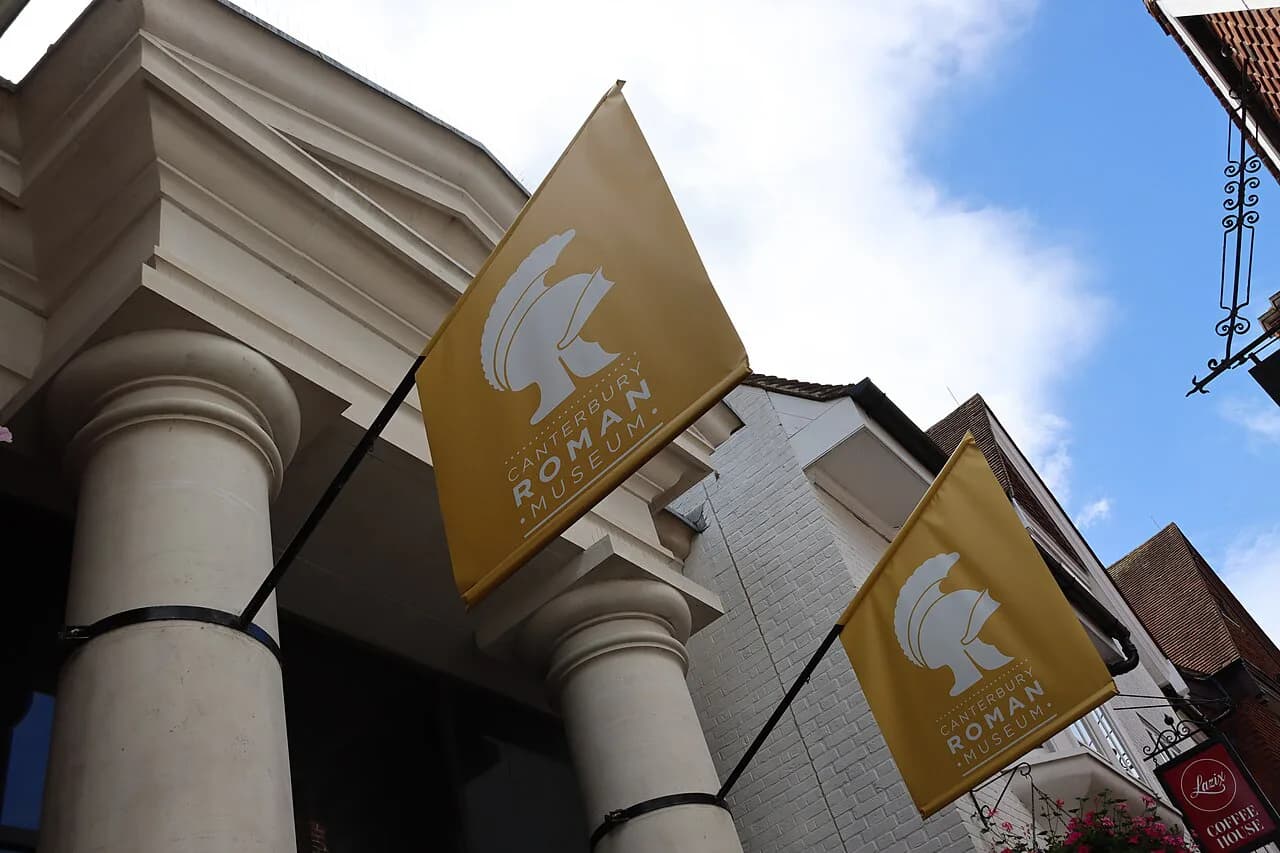
The Canterbury Roman Museum is Kent's only Roman museum, and its displays are built around family-friendly interpretation of daily life in Roman Britain. Expect the emphasis to fall on the objects people used, the town they lived in and the way the site itself relates to the Roman street plan, rather than on a single showpiece. It is a compact museum, so it works well as the anchor of a half-day in the centre rather than a whole-day destination.
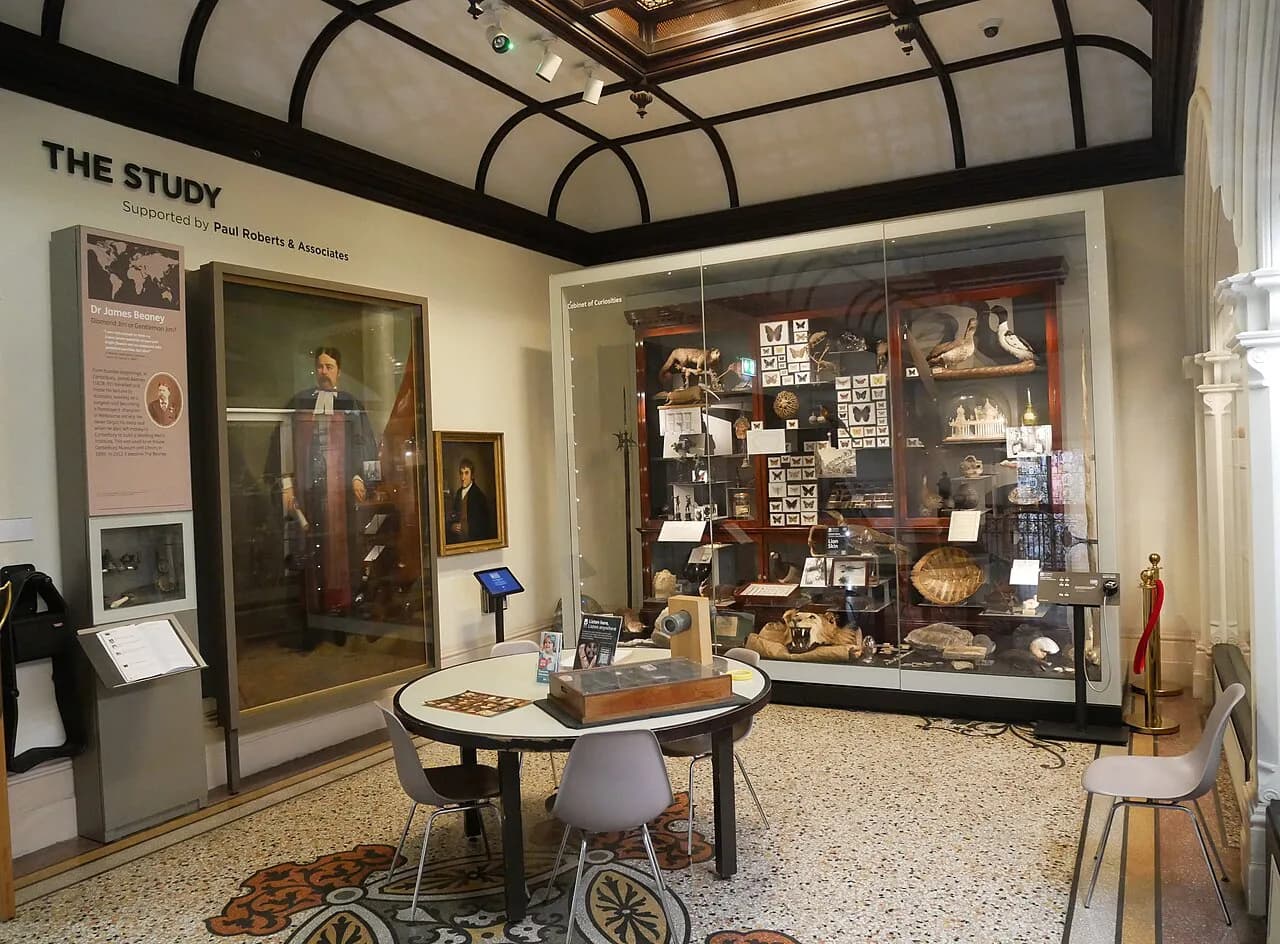
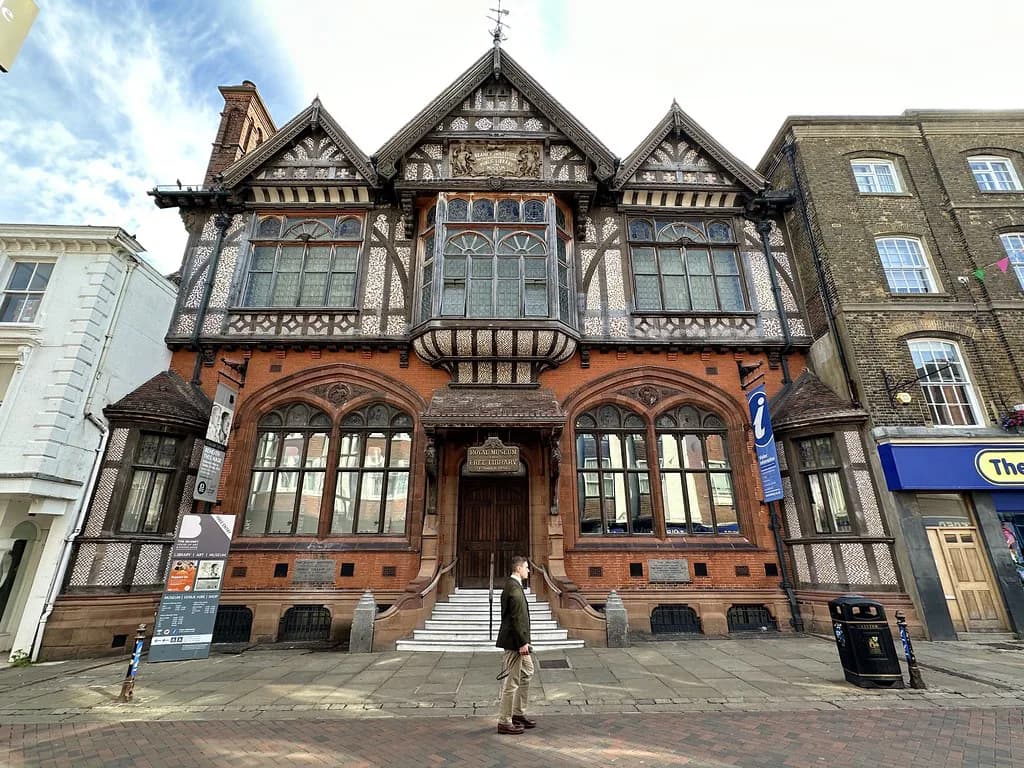
Pair the Roman Museum with the wider set of museums in Canterbury and you get a much fuller picture of the city, from Roman Durovernum through to the medieval pilgrim trade. The Beaney House of Art & Knowledge is the other obvious stop for anyone who wants context on how the city's collections are displayed. Check the Roman Museum's own site for current admission and opening times before you set out, since these are the details that change.
The Jewry Lane and White Horse Lane temple record
A memorandum dated 1700 preserves an account of workmen digging a cellar in Jewry Lane who struck a circular or oval brick foundation about three feet below the surface. Inside and around it they reported thousands of Roman coins, votive pieces, fragments of urns and the bones of sacrificed animals, with a stream running beneath the structure. The record's own date of 1639 is questioned in favour of 1689, because Archdeacon John Battely, said to have inspected the dig, held office from 1688.
The identification of the building as a temple to Diana is Battely's conjecture as set down in that record, not an established fact, and the account itself wonders whether the structure might instead have been the laconicum of Canterbury's public baths. Treat the Diana link as a piece of seventeenth-century antiquarian interpretation. What the document does convey is the density of Roman ritual and burial material under this small patch of the city.
The memorandum places the find between the great Roman theatre in St Margaret's Street and the walls and footings near the old County Hotel, with Jewry Lane and White Horse Lane together covering about 40 yards. Since the cellar was dug out and later buildings on the site were demolished around 1960, there is nothing to stand in front of today. Read the lane names as markers on a map, not as an open monument.
The Roman theatre and the street plan
The Roman theatre in St Margaret's Street is one of the great structures the antiquarian record points to in the city centre, and its position helps explain why the lanes west of the High Street are so rich in Roman deposits. Walking that grid today, you are following streets laid out long after the Romans but aligned to the same buried landmarks. That is the practical value of knowing where the theatre and temple finds sat: it turns an ordinary shopping street into a legible map.
The medieval city was laid over the Roman one rather than beside it, which is why Roman finds turn up in cellars, service trenches and small excavations. Medieval Canterbury's street pattern is the layer most visitors actually see, and it is worth reading the two together. If the overlap between the Roman and medieval towns interests you, the history of Canterbury page gives the wider sequence.
City walls and later Roman building fabric
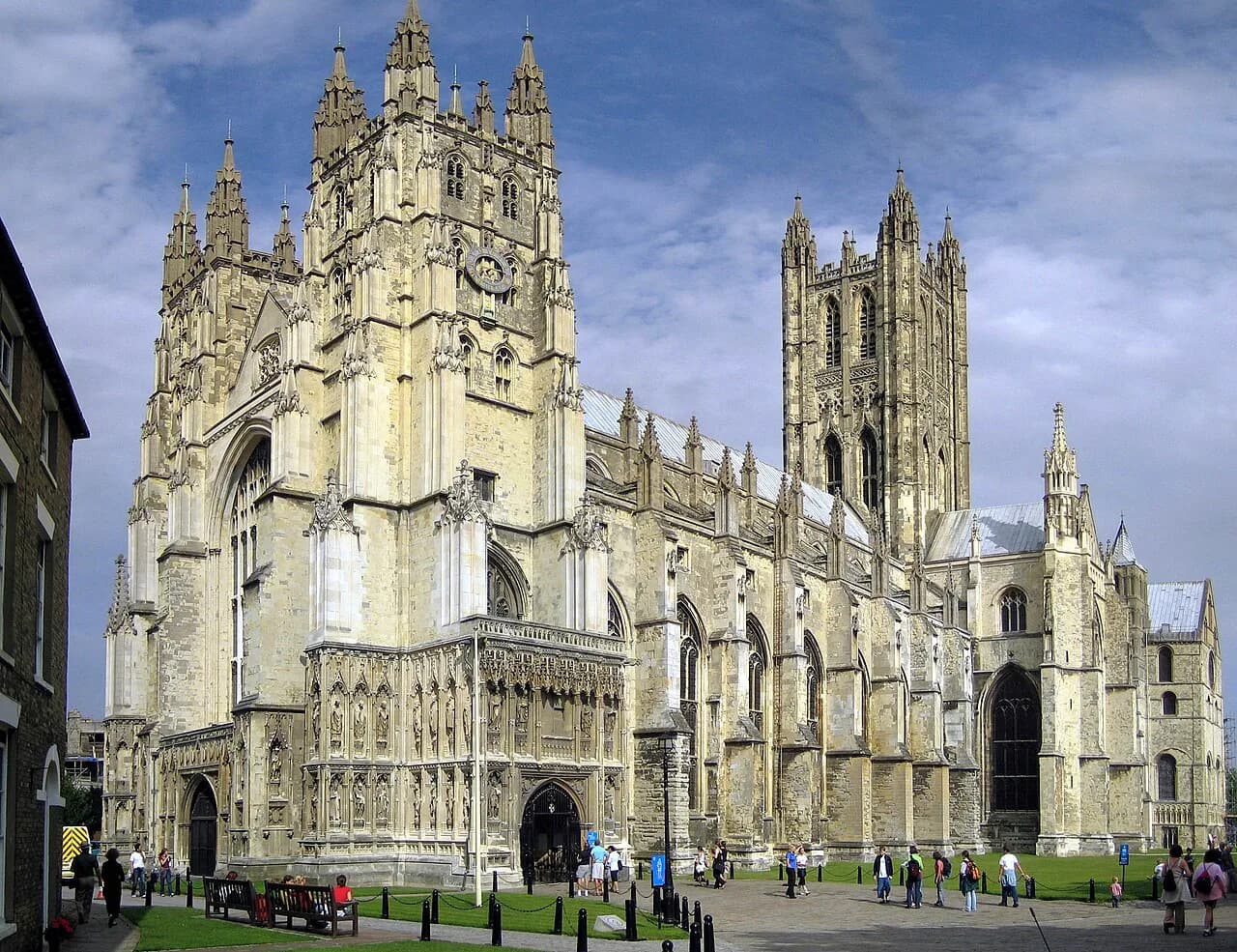
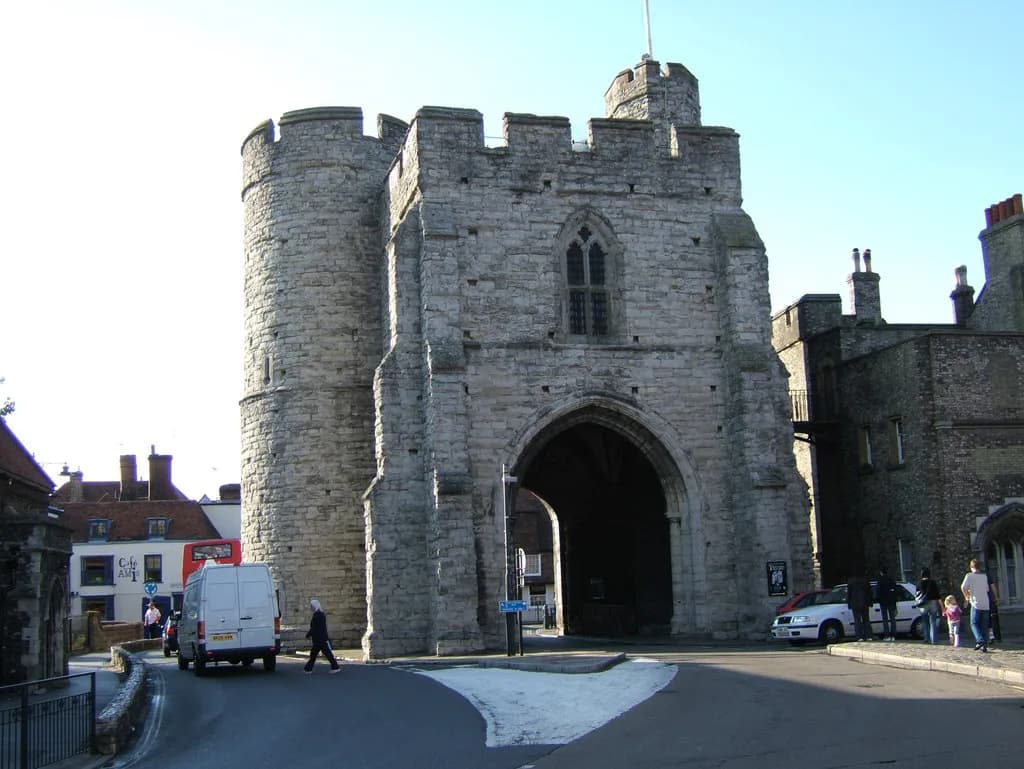
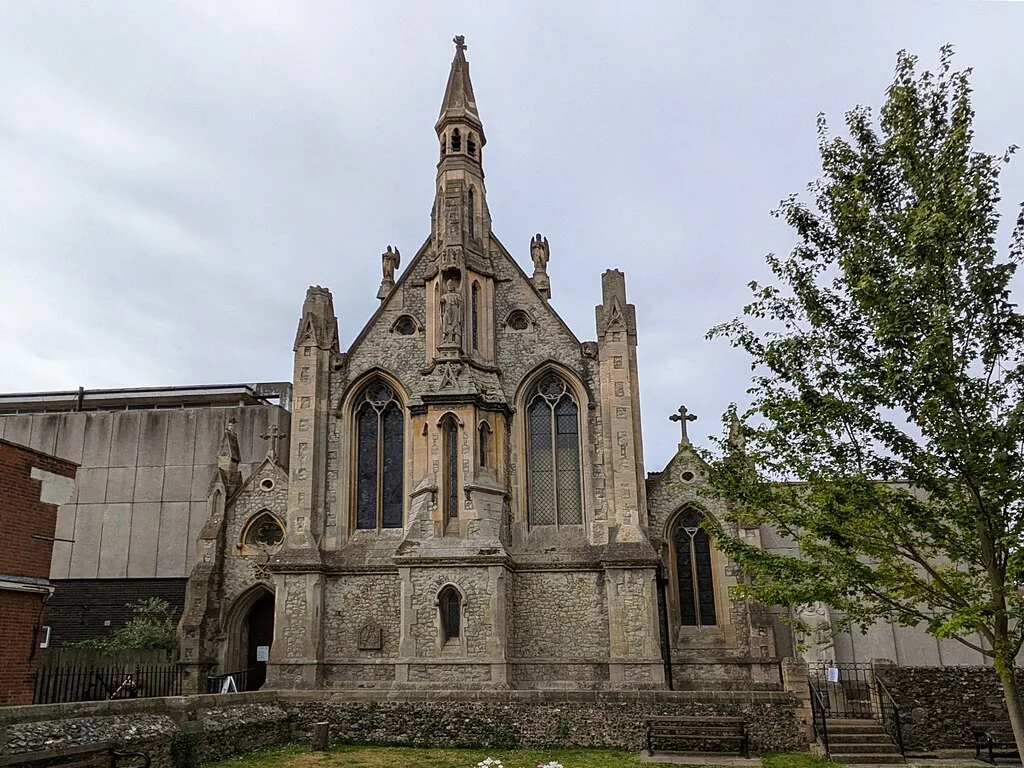
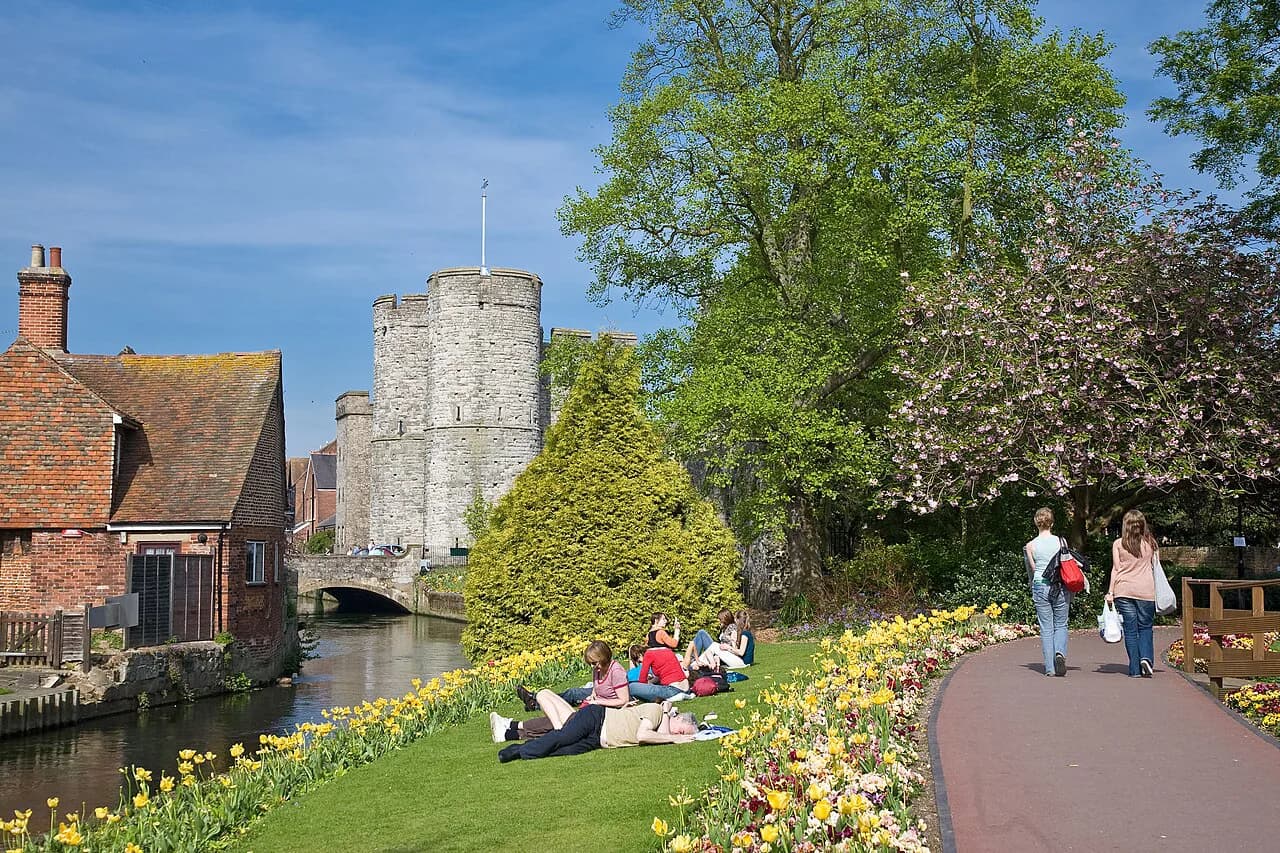
Canterbury's defences and its Roman building stone are bound up with the medieval fabric, because Roman material was quarried and reused in later walls and churches. Look at the cathedral precinct and the surviving stretches of city wall with that in mind: dressed stone of Roman origin often turns up in medieval work. The architecture of the city rewards a slow look at masonry, not just at whole buildings.
Walking the Roman city: a short route between the main points
Start at the Roman Museum to fix the chronology in your head, then head west into the lanes around St Margaret's Street and Jewry Lane, where the theatre and temple records place the densest Roman activity. From there, walk towards the cathedral precinct and the line of the city defences to see reused Roman stone in later walls. The whole circuit sits within the compact centre, so it works as an afternoon on foot rather than a day of travel between sites.
If you want a structured route with commentary rather than a self-guided amble, a guided Canterbury walking tour will put the Roman layers in sequence for you. The Canterbury Attractions hub is the place to compare that with the other set-piece visits in the city.
Canterbury Cathedral is the obvious next stop after the Roman circuit, not least because it sits within the same walled circuit and shows how completely the medieval city took over the Roman one. Build it into the same walk rather than treating it as a separate day.
Practical points: tickets, time needed and booking ahead
The Roman Museum is small enough that a focused visit fits comfortably into the same morning as another city-centre stop. Because admission arrangements and opening days are exactly the sort of detail that shifts with the season, confirm them on the museum's own website before travelling. Beyond that, the practical constraint in Canterbury is foot traffic in the centre rather than distance between sites.
Nearby: other Roman sites in Kent and beyond
If Roman Britain is the reason for your trip, Canterbury is a good base for comparing the Kentish capital with the great legionary and colonial centres elsewhere. Roman Chester and Deva Victrix offer a very different experience, with visible amphitheatre remains, and Roman York shows how a legionary fortress turned into a colonia. Reading the three together makes the differences between a civitas capital and a military base much clearer.
Closer to hand, the castles near Canterbury are a reminder that the city's defensive story did not end with the Romans, and they make an easy half-day add-on. If your interests lean towards the darker side of the city's past, the ghost tours in Canterbury trade in legend rather than Roman fact, which is worth knowing before you book.
Plan Your Visit
Roman Canterbury is best understood as a museum visit plus a walk: the objects are indoors and the context is in the street pattern outside. Do the Roman Museum first, then follow the lanes where the theatre and temple records point, and finish at the cathedral precinct to see how thoroughly the medieval city absorbed the Roman one. Everything sits within walking distance in the centre.
Explore more Canterbury guides
Frequently Asked Questions
What Roman remains can you still see in Canterbury?
The visible Roman material is mostly in the museum rather than in situ. The temple find under Jewry Lane and the theatre under St Margaret's Street are known from records and excavation, and the sites themselves are built over. Reused Roman stone survives in later walls and church fabric.
Is the Canterbury Roman Museum free?
Admission arrangements are not something this guide can confirm. Check the museum's official website for current prices and opening days before you travel, since these change by season.
Where was the Roman temple found in Canterbury?
A memorandum dated 1700 records a circular or oval brick foundation found during cellar digging in Jewry Lane. The record gives the date as 1639, but that is questioned in favour of 1689. The identification of the building as a temple to Diana is Archdeacon Battely's conjecture.
Was Roman Canterbury called Durovernum Cantiacorum?
Yes. Durovernum Cantiacorum was the civitas capital of Romanised Kent, the administrative centre for the Cantii. A late Iron Age Belgic settlement is generally believed to have been founded here shortly before the Roman conquest.
How long does the Canterbury Roman Museum take?
The museum is compact, so it suits a focused visit rather than a whole day. Most people pair it with another city-centre stop in the same morning. Opening hours and any timed entry should be checked on the museum's own site.
Sources
Notes for your next city break
Optional updates to our UK city guides.
You might also like
Continue reading
More guides you'll find useful