Castles Near Canterbury: Dover, Deal, Leeds & Rochester
Plan castle days out from Canterbury, from Dover and Deal to Leeds, Rochester and Sissinghurst, with what each offers and who runs it.
On this page
Canterbury sits within easy reach of some of Kent's strongest castle days out: Dover's hilltop fortress above the White Cliffs, Henry VIII's artillery forts at Walmer and Deal, the moated Leeds Castle, Rochester's towering Norman keep and the National Trust garden at Sissinghurst. Canterbury Castle itself is one of the three original royal castles of Kent, alongside Rochester and Dover, so the city is a sensible base for a castle-led break.
The trade-off is time. Dover, Walmer and Deal suit a half-day or a combined coastal run, while Leeds Castle rewards a whole day given its parkland, maze and grotto. Rochester and Sissinghurst sit further out and work best as dedicated trips rather than add-ons to a city morning.
Which Castles Are Within Reach of Canterbury?
Think of the castles in three groups. The royal trio of Canterbury, Rochester and Dover belongs to Kent's medieval defence story; Walmer and Deal are Tudor artillery forts built for Henry VIII in 1539; Leeds, Sissinghurst and Hever are castles in name that later became residences and gardens. Grouping them this way helps you pick a day that hangs together rather than criss-crossing the county.
Drive times are the practical filter. A Kent glamping operator publishes its own car times to these sites, which gives a rough sense of scale: Dover about 15 minutes, Walmer 15 minutes, Deal 20 minutes, Leeds 35 minutes, Sissinghurst 50 minutes, Rochester 54 minutes and Hever 1 hour 25 minutes. Those are times from its base near Dover, not from Canterbury, so treat them as relative distances and add the Canterbury leg yourself.
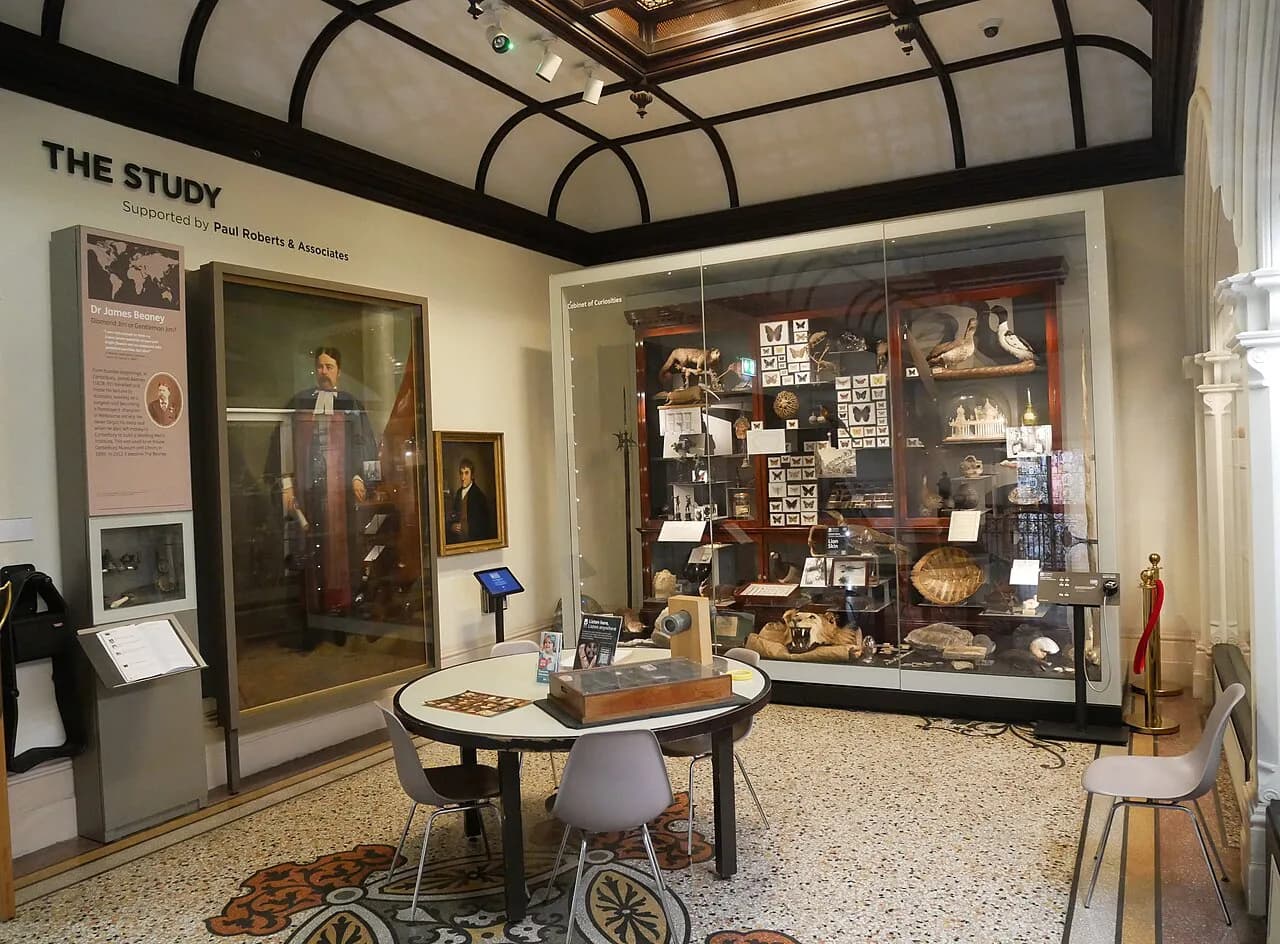
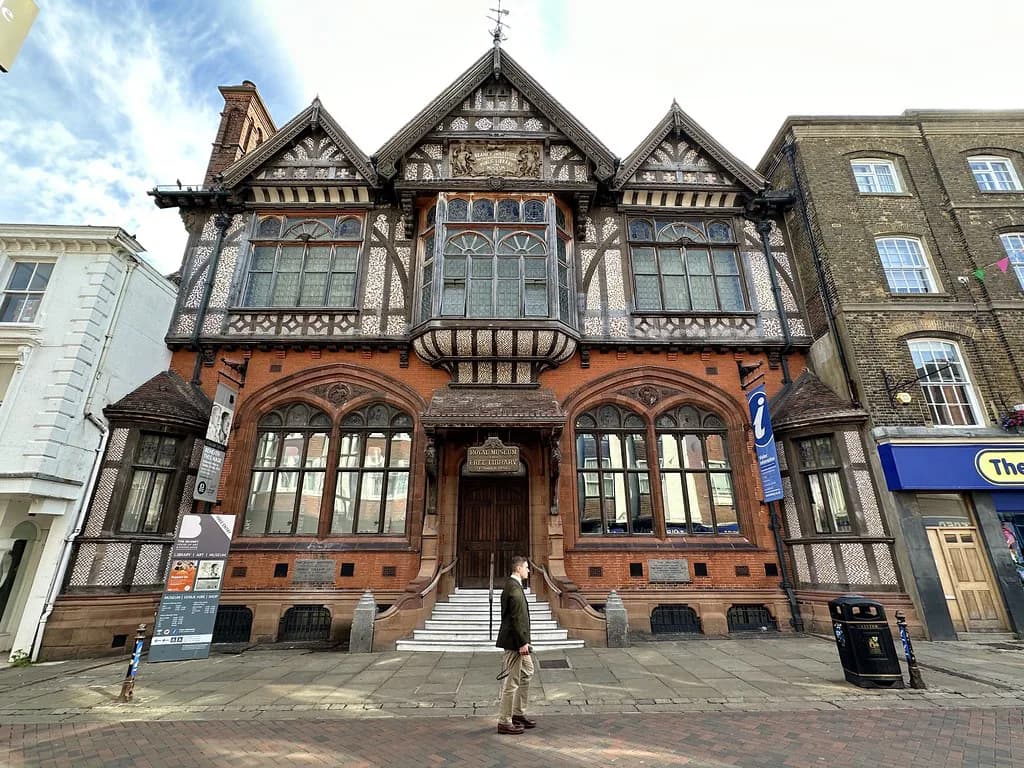
If castles are one strand of your trip, the wider set of museums in Canterbury fills rainy hours and short afternoons between day trips, with The Beaney House of Art & Knowledge covering art and local history under one roof.
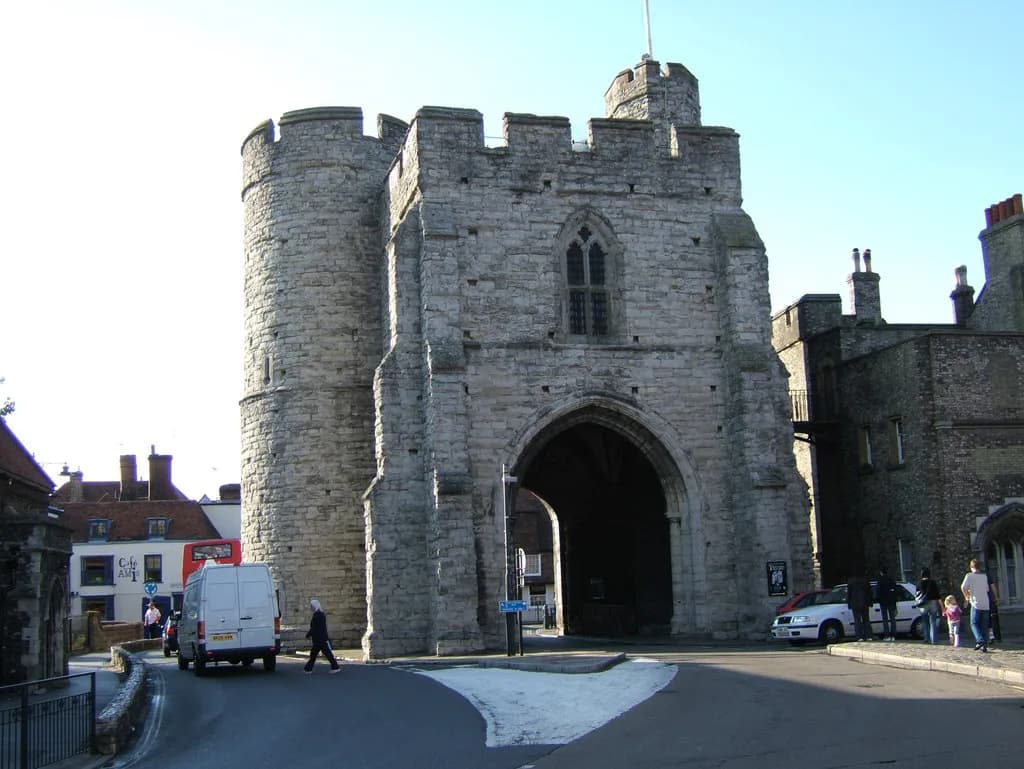
Canterbury Castle: One of Kent's Three Royal Castles
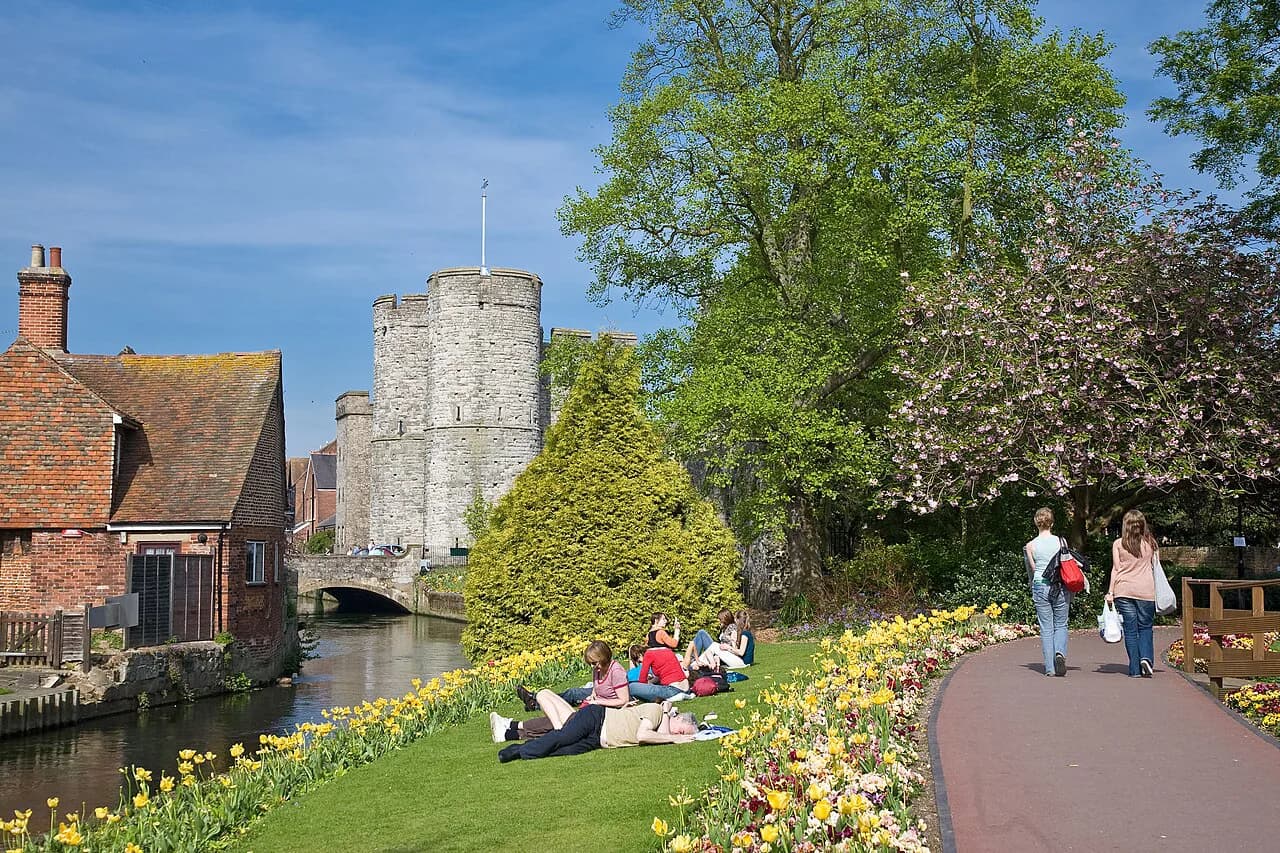
Canterbury Castle is counted among the three original royal castles of Kent, with Rochester and Dover as its companions. That status makes it the natural starting point before you leave the city, because it frames the others: the same royal building programme produced fortresses at strategic points across the county.
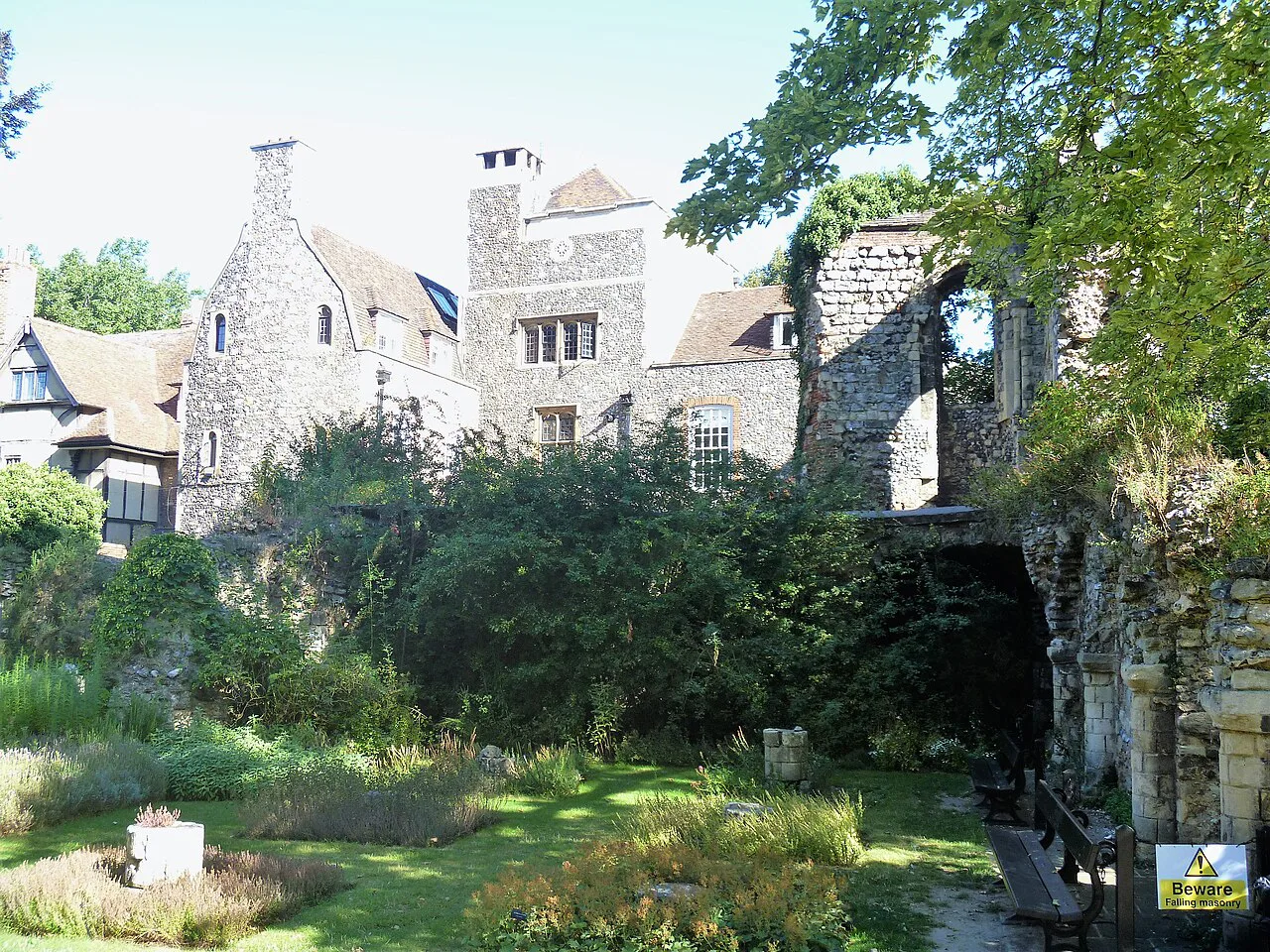
Set expectations accordingly. This is a fragment of a medieval royal castle in the city rather than a staffed visitor attraction with furnished rooms, so it works as a short stop woven into a walk rather than a destination in itself. Pair it with the cathedral quarter and the city's streets, and save your long castle day for Dover or Leeds.
Anyone following the city's Roman layer will recognise why a fortification took root here at all. A self-guided route through Roman Canterbury explains the walled town of Durovernum Cantiacorum that came before the castle, and it takes under an hour to walk the relevant stretches.
Dover Castle: Hilltop Fortress and Wartime Tunnels
Dover Castle is the headline act. The site began as a Roman hill-fort, and the Normans built on the same ground after 1066; it has sat at the centre of English defence for more than 900 years. The position on top of the White Cliffs is the reason to go, and the castle itself is substantial enough to fill a full day.
The wartime story is what surprises people. The tunnels under the castle served as an underground hospital, and the evacuation of British troops from the Dunkirk beaches was masterminded from here. Build the tunnels into your plan rather than treating them as an extra, because they add a distinct chapter to a visit heavy on medieval architecture.
Dover is the closest of the major castles to the Kent coast and the simplest to combine with a coastal walk. Book before you travel, since a fortress of this scale is the one place on this list where turning up without a plan is a genuine risk in peak season.
Walmer Castle and Gardens: Tudor Fort Turned Residence
Walmer Castle was built as a Tudor artillery fortress by Henry VIII in 1539, part of a chain with Deal and Sandown designed against French and Spanish invasion. In the 18th century it became a stately home and the official residence of the Lord Warden of the Cinque Ports, which is why it feels more like a house with fortifications than a bare fort.
The gardens are the second draw, mixing formal and informal planting right on the Kent coast. Allow a half-day if you want the house, the ramparts and a garden walk without rushing, and bring a layer for the sea breeze even in summer.
Walmer, Deal and Dover sit close enough to be linked by car in a single day, though doing all three properly is ambitious. A realistic combination is Dover in the morning and Walmer's gardens in the afternoon, leaving Deal for a separate coastal day.
Deal Castle and the Beach Town Beside It
Deal Castle is the largest and most elaborate of Henry VIII's artillery forts along the Kent coast, laid out in the shape of a Tudor rose with more than 100 gun positions. The plan is the point: walking the perimeter shows how the geometry was meant to deliver fire in every direction.
What makes Deal worth a half-day rather than a quick stop is the town. The castle sits a short walk from the beach and from streets lined with 18th-century houses facing the sea, so you can pair the fort with a seafront stroll and a proper look at the old town.
Leeds Castle: Moated Castle and 500 Acres of Parkland
Leeds Castle dates from 1119 and sits in a moat, which is why it carries the label of the loveliest castle in the world. That is a well-worn description rather than a verdict, but the setting is genuinely the attraction: 900 years of history inside, and 500 acres of parkland with streams and gardens outside.
Inside the grounds you also get a maze and a grotto, and there is a golf course on the estate for anyone mixing castles with clubs. Leeds Castle reports that an entry ticket is valid for 12 months, allowing a return visit in another season, so check the current terms when you buy.
Leeds is the one castle here that justifies a whole day rather than a half. It also runs events and daily activities alongside the house and gardens, so check the calendar for your dates before deciding between a quiet wander and a busy event day.
Rochester Castle: England's Tallest Norman Keep
Rochester Castle guards the River Medway, and its Norman keep reaches 113 feet, the tallest in England. The climb is the highlight: you explore the remains of the keep and get views across the Medway and the town, with the story of how the castle survived three major attacks along the way.
Because Rochester is one of the three royal castles of Kent with Dover and Canterbury, it completes the trio for anyone collecting the set. It sits further from the coast than Dover or Deal, so treat it as its own outing with time in Rochester's cathedral city either side of the keep.
Sissinghurst Castle and Gardens: Vita Sackville-West's National Trust Garden
Sissinghurst began as a house built in the 1530s and later served as a prison for French sailors captured during the Seven Years War, who nicknamed it Le Chateau. In the 19th century it was a poorhouse before Vita Sackville-West and her husband Harold bought it and turned house and gardens into the property visitors know today.
It is a National Trust property, which matters if you hold a membership card, and it is a garden visit above all: the castle name is historical rather than a promise of battlements and dungeons. Allow a leisurely half-day for the garden rooms and the wider estate.
Hever Castle: Anne Boleyn's Tudor Home
Hever Castle is the furthest of these days out, roughly 1 hour 25 minutes by car from the Dover area and longer again from Canterbury. It is the royal Tudor home of Anne Boleyn, with a 13th-century castle at its core and gardens and grounds that include a water maze, a lake and a woodland walk.
Hever also hosts jousting in the summer months along with other events through the year, so an event day changes the character of a visit considerably. Check the calendar and plan a full day if you are making the drive, since the distance makes a short stop poor value.
Pairing Castles with Canterbury Cathedral and the City
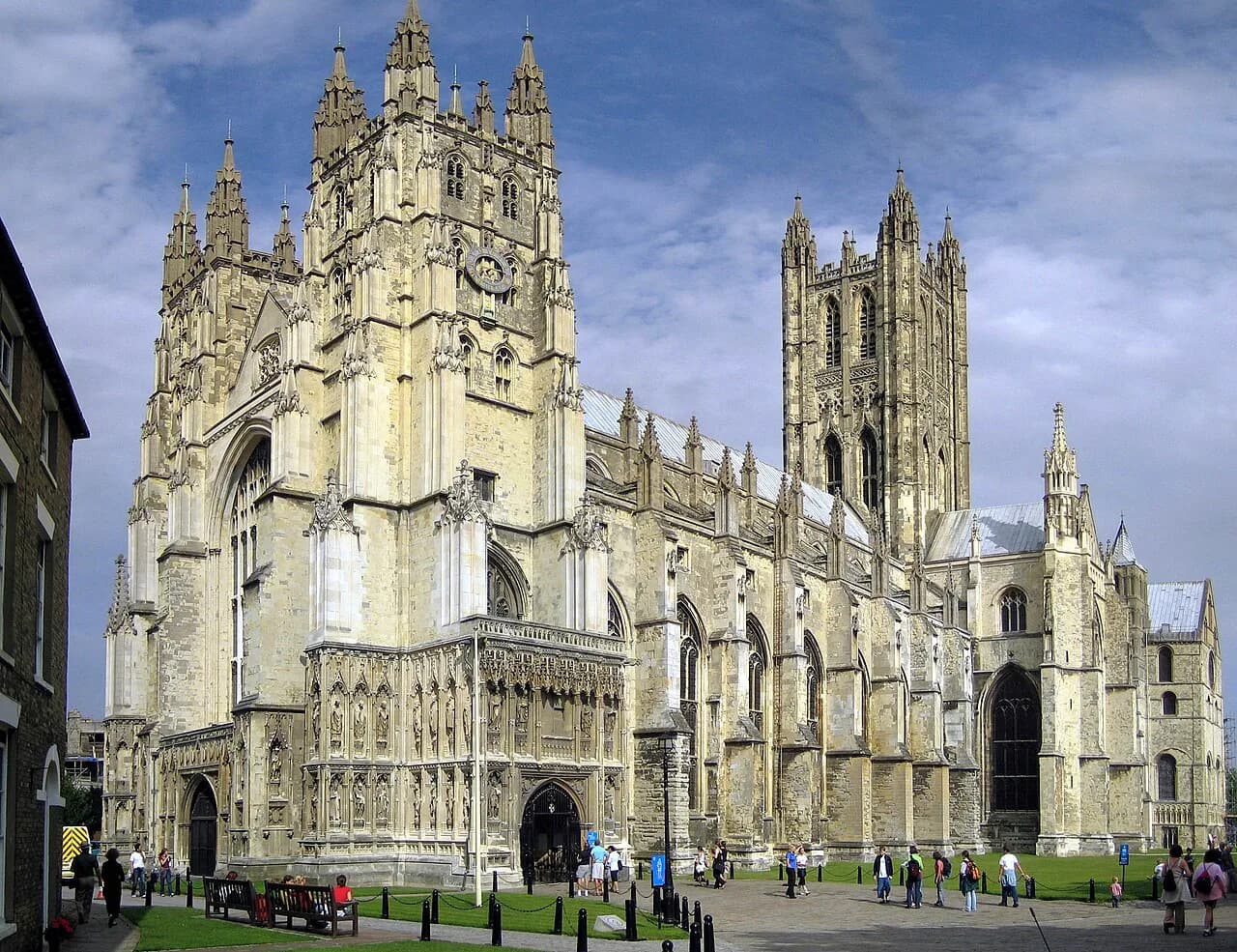
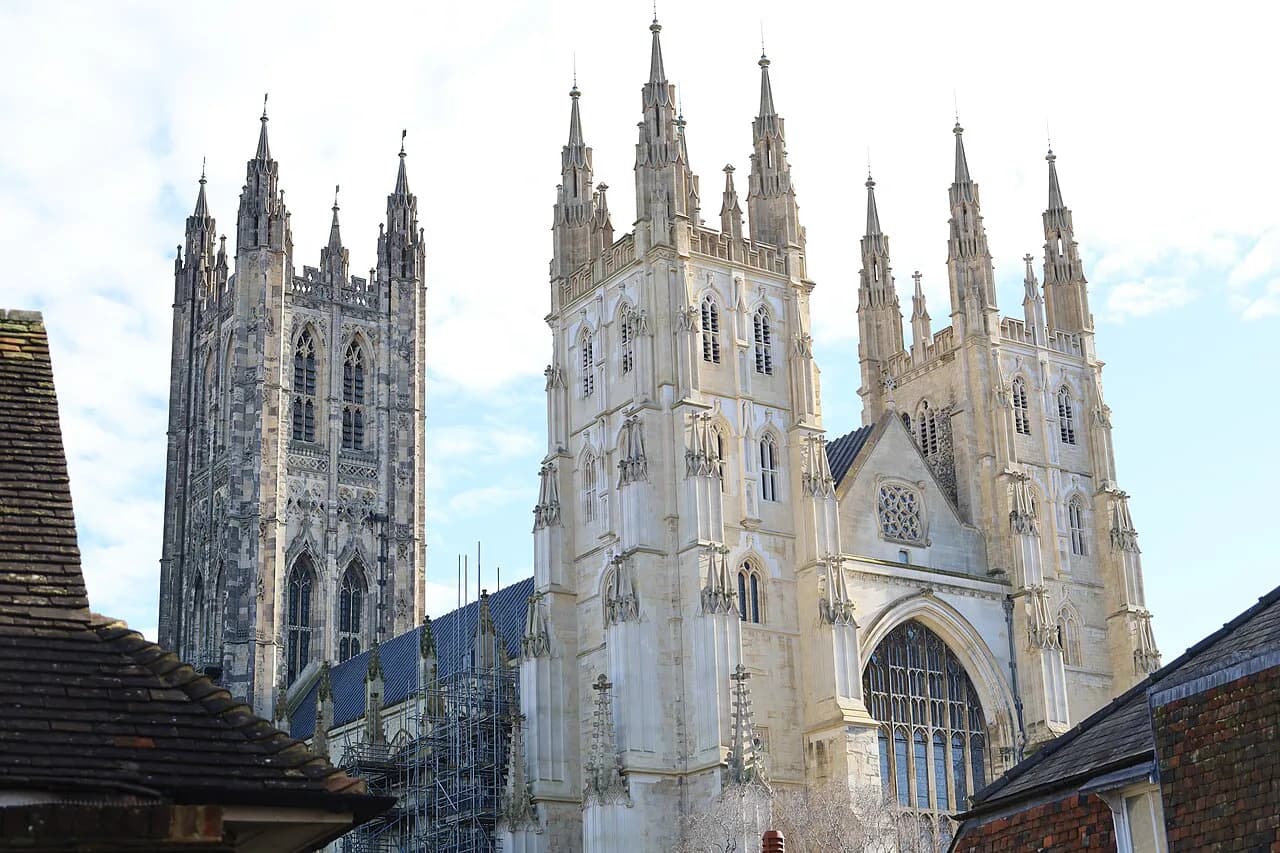
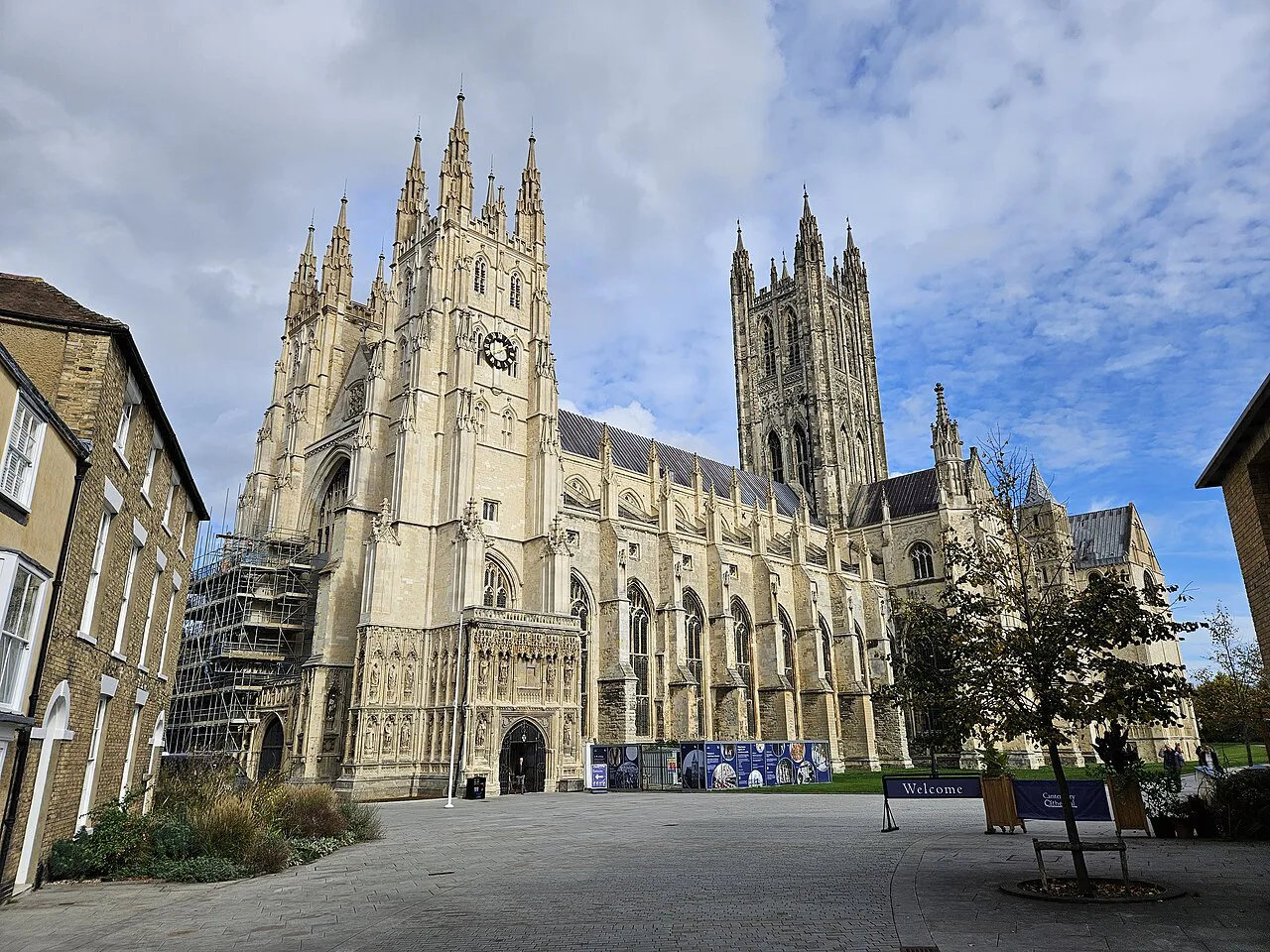
Do not spend every day in the car. Canterbury Cathedral and the medieval streets around it are a day in themselves, and stacking a castle onto the same day shortchanges both. Give the city one full day and use the others for Dover, Leeds or the Deal coast.
If you want structure, a Canterbury walking tour covers the centre's architecture on foot and shows how the cathedral precinct, the old walls and the castle fragment relate to each other. It is a sensible first-morning move before you commit to day trips.
The city's art galleries, including The Beaney House of Art & Knowledge, are the obvious fallback when weather or transport plans change on a castle day.
Getting Around Kent Without a Car
Several of these castles are straightforward to reach from Canterbury by rail and bus, though the last stretch to Walmer, Deal, Leeds and Sissinghurst often involves a walk or a local connection. Dover and Rochester have stations that put you within reasonable walking distance of the castle, which makes them the easiest car-free days.
Booked tours are the other option, and Canterbury has castle and palace tours that combine the city with the White Cliffs of Dover and Dover Castle in a single organised day. That suits anyone who would rather not drive on the left on unfamiliar country lanes.
Plan Your Castle Days from Canterbury
Build your trip around one full-day castle, one half-day coastal fort and one city day. Dover for the tunnels and the cliffs, Leeds for the moat and parkland, and Walmer or Deal for the Tudor coast with a beach walk attached gives you variety without spending the holiday in a car.
If you want a broader comparison of fortresses elsewhere in the UK, our guides to castles near Aberdeen and castles near Birmingham show how other regions handle their headline sites.
Finish with an evening in the city; the ghost tours in Canterbury are a light-hearted way to see the streets after dark, told as legend rather than fact.
Explore more Canterbury guides
Frequently Asked Questions
What castles are near Canterbury?
Canterbury Castle is in the city, and it is one of Kent's three original royal castles alongside Rochester and Dover. Within a day's reach are Dover Castle on the White Cliffs, Henry VIII's forts at Walmer and Deal, the moated Leeds Castle, Rochester's Norman keep, the National Trust garden at Sissinghurst and, further out, Hever Castle.
How far is Dover Castle from Canterbury?
Dover lies east of Canterbury along the A2 corridor, and the castle sits on the clifftop above the town within walking distance of Dover's stations. Check current journey times, as roadworks and seasonal traffic on the coast road change the calculation.
Is Canterbury Castle one of Kent's royal castles?
Yes. Canterbury Castle is counted among the three original royal castles of Kent, with Rochester and Dover. It survives as a fragment rather than a staffed attraction, so treat it as a short stop during a city walk.
Where did Anne Boleyn live in Kent?
Hever Castle was the royal Tudor home of Anne Boleyn. It is the furthest of the castles on this list from Canterbury, so plan a full day with the gardens and grounds rather than a quick stop.
Is Sissinghurst Castle a National Trust property?
Yes, Sissinghurst Castle and Gardens is a National Trust property, which means members can use their card. It is a garden-led visit built around the work of Vita Sackville-West and her husband Harold rather than a defensive castle.
Which Kent castle has the tallest Norman keep in England?
Rochester Castle, which guards the River Medway, has a Norman keep reaching 113 feet, the tallest in England. You can climb it for views over the river and town.
Can I visit these castles without a car?
Dover and Rochester are the easiest by rail, with stations within walking distance of the castle. For Walmer, Deal, Leeds, Sissinghurst and Hever, expect a bus connection or a walk at the end. Organised tours from Canterbury that combine the city, the White Cliffs and Dover Castle are a good alternative to driving.
Sources
Notes for your next city break
Optional updates to our UK city guides.
You might also like
Continue reading
More guides you'll find useful