
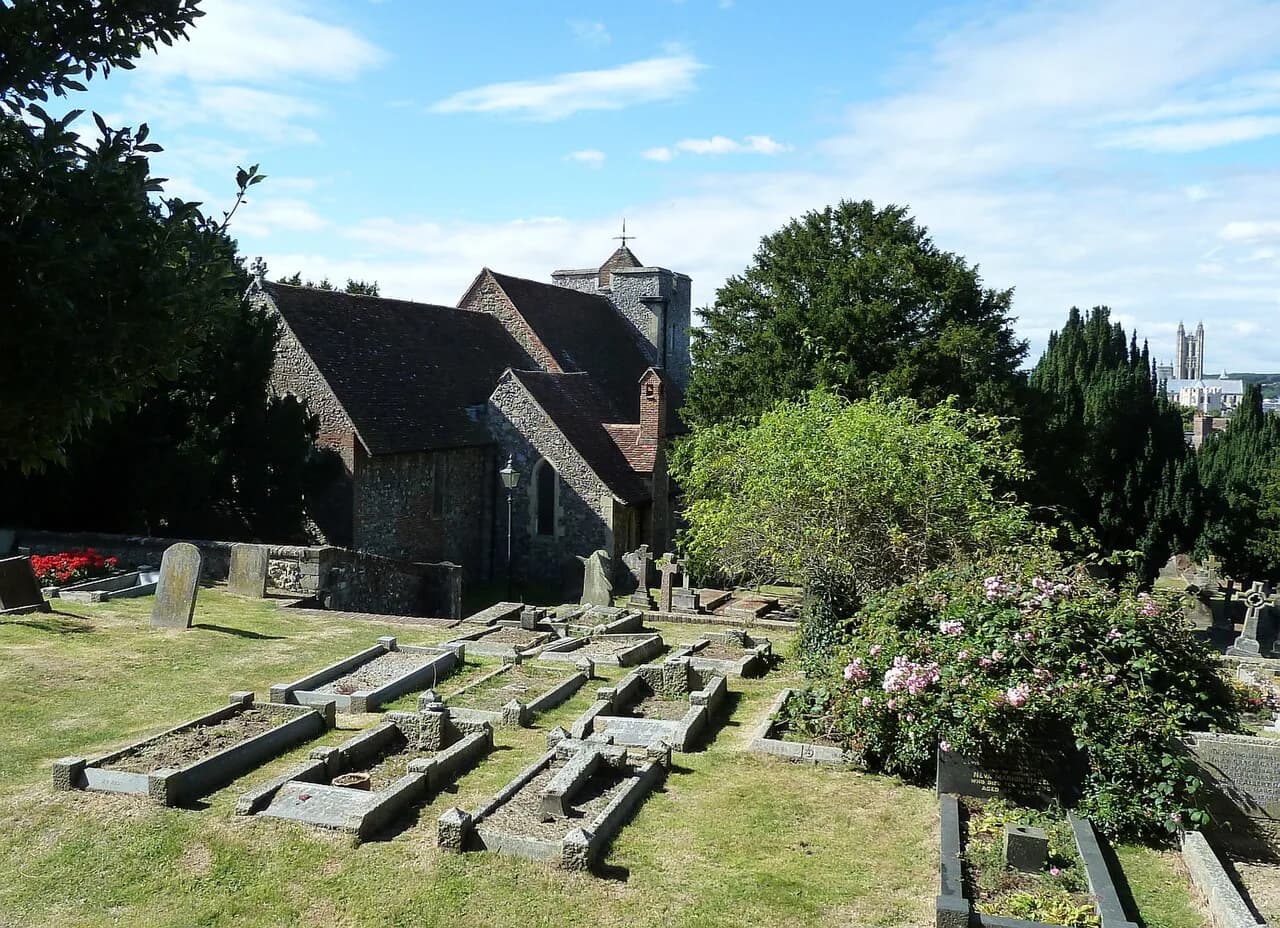
St Martin's Church, Canterbury: What to See at England's Oldest Working Church

St Martin's Church is worth the short walk out of Canterbury's centre because it is the oldest church in continuous use in the English-speaking world, still holding services after roughly 1,400 years. It sits within the Canterbury World Heritage Site, and it was the first base for Augustine's mission after he arrived in AD 597.
A visit takes about 30 to 45 minutes if you read the building carefully, plus 15 to 20 minutes each way on foot from the cathedral precinct. The reward is a quiet, working parish church where Roman masonry, Anglo-Saxon brickwork and a 14th-century tower sit in one small nave, with none of the queueing of the cathedral.
What St Martin's Church Is and Why It Matters
The parish describes St Martin's as the oldest church in continuous use in the English-speaking world and as part of the Canterbury World Heritage Site, a description echoed by visitor listings that call it the oldest parish church in the English-speaking world. Treat that as the site's own account of itself rather than a formal league table, because the claim rests on continuous worship rather than on the age of the fabric alone.
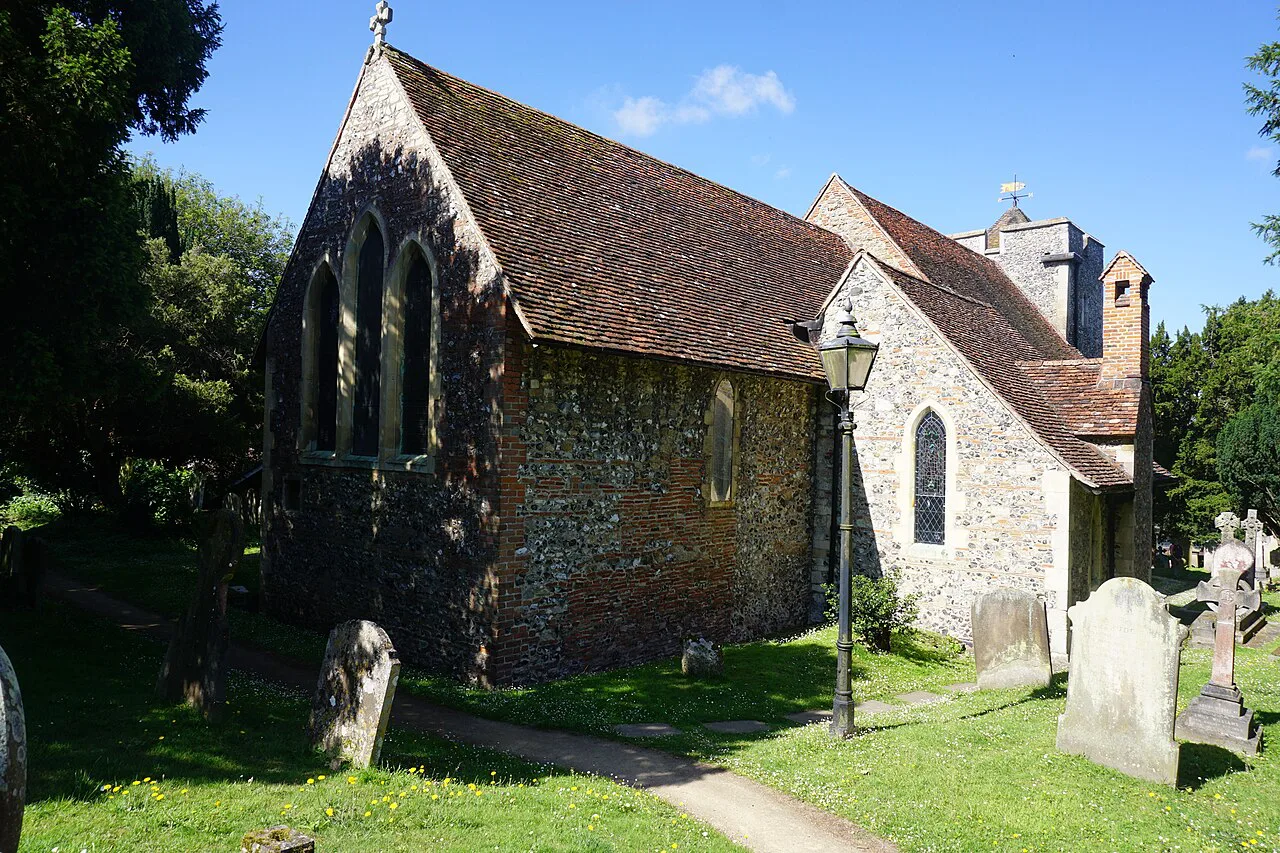
The building matters for two reasons that visitors can actually see. Its oldest section was raised during the Roman occupation of Britain, and the nave was later extended using Roman building methods and reused Roman bricks, making it the first large Anglo-Saxon structure in mortared brick and stone rather than wood. That sequence, Roman to Saxon to medieval, is the story the walls tell.
This is a working church, not a museum, so the visit is framed around worship that has continued since Augustine's time rather than around display cases. That also means the building is sometimes occupied by services, which is the one practical thing to plan around.
Where It Is and How to Walk There
St Martin's stands on a lane just outside the city walls, a few blocks from the cathedral, on the eastern edge of the centre. From the cathedral precinct, walk out through the Christ Church Gate area and follow the signs for St Martin's and St Augustine's Abbey; the route is level for most of the way and easy to combine with the abbey in one loop.
The walk is short enough to do on foot and is the simplest option, since the lane is narrow and parking in the immediate area is limited. If you are coming from further out, the city's park-and-ride services and buses drop you in the centre, leaving the same short walk.
For orientation, the church sits on the same side of the city as St Augustine's Abbey, so the two make a natural pair. Plan the abbey first if you want the longer visit, then finish at St Martin's where the pace is slower.
The Roman Beginnings
The oldest part of St Martin's was built during the Roman occupation of Britain, although it is uncertain whether the building began as a church, a mausoleum or something else. That uncertainty is part of the interest: you are looking at a structure older than the mission that made it famous, adapted rather than purpose-built.
Bertha, a Christian princess from Tours in France, married Ethelbert of Kent around AD 580, and Ethelbert restored St Martin's for her to pray in. Ethelbert went on to become king of Kent and over-king of the kingdoms northwards to the River Humber, which is why a small church on the edge of Canterbury carries royal weight.
If Roman Canterbury interests you, the city's Roman museum covers the wider story of the settlement beneath the modern streets, and it pairs well with the fabric you can see at St Martin's. For the full picture of the city's museums in Canterbury, from the Roman museum to The Beaney, see our separate guide.
Augustine's First Base
Augustine arrived in AD 597 with 40 companions, including Roman monks and Frankish interpreters, and St Martin's was his first base for the mission. According to Bede, writing in AD 731, the party first gathered here to sing psalms, pray, celebrate mass, preach and baptise until the king was converted and gave them freedom to build and restore churches.
Needing more space, the community extended St Martin's to nearly its present size, and Ethelbert soon granted Augustine more land in Canterbury where he founded the Abbey and the Cathedral. Augustine became the first Archbishop of Canterbury and died in AD 604, buried in the Abbey.
Pope Gregory, who had sent Augustine from Rome, wrote to warn him against becoming swollen-headed by the extraordinary things done through him, which is a useful reminder that the story here is about a mission community rather than a single hero.

What to See Inside
Start with the nave, the largest part of the building, where you can pick out reused Roman bricks in the walls and see the change from Roman building methods to the first Anglo-Saxon structure in mortared brick and stone. The east end was extended in the 12th and 13th centuries and substantially altered in the 19th, so read the building as layers rather than a single period.
The tower was added in the 14th century and holds three bells, the largest made in 1393, which gives you a firm date to hold on to when so much else is inferred. Beyond that, keep your attention on the masonry and the sense of scale, because the church has not been restyled into a visitor attraction.
The Churchyard and Setting
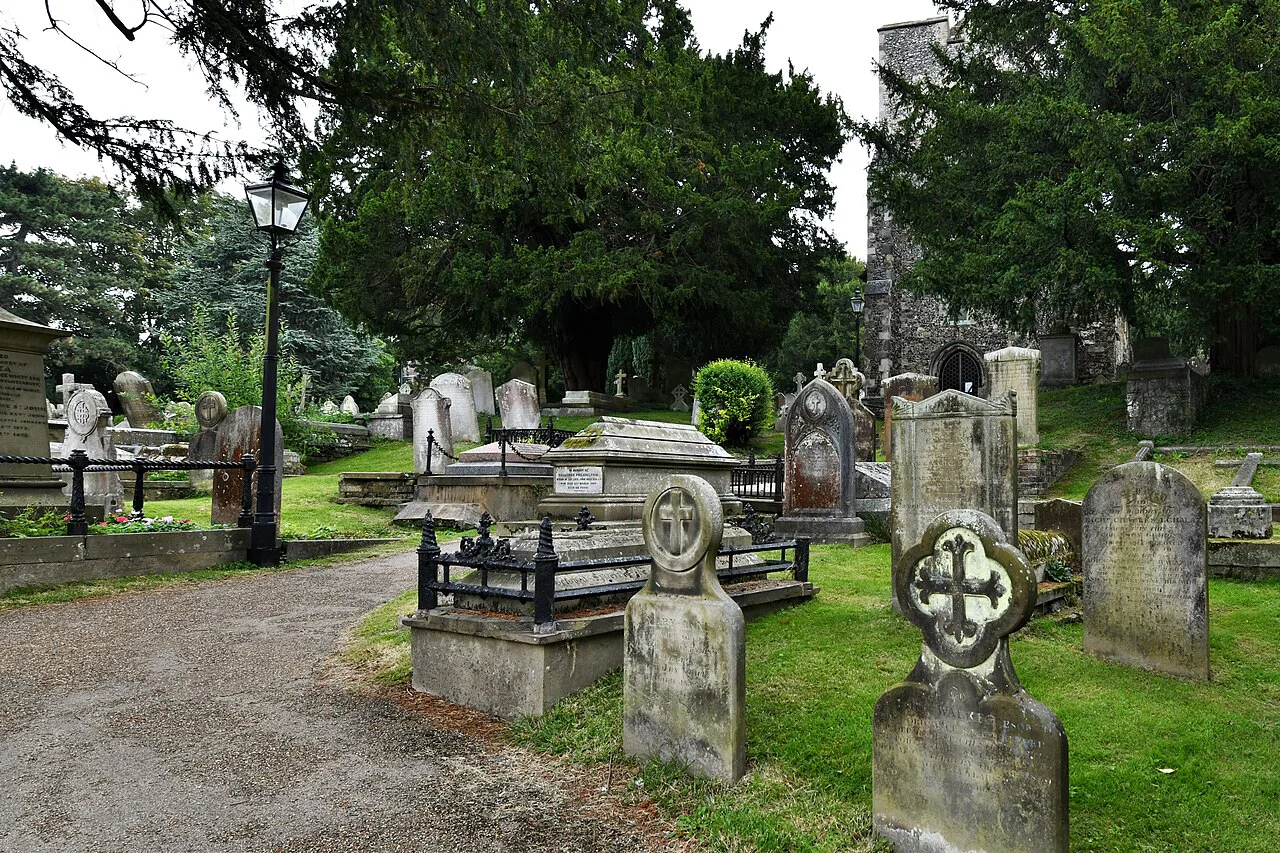
The setting is part of the visit: a churchyard and quiet lane outside the city walls, with the bustle of the centre left behind. It is the opposite experience to the cathedral, where you move with a crowd, and it gives you a place to sit and take stock between bigger sights.
Because the church remains in use for worship, prayer and mission, treat the interior as a space someone else is using rather than a gallery. Keep voices low, check whether a service is in progress before walking in, and leave the nave clear if a congregation is gathering.
How Long to Allow
Budget 30 to 45 minutes at St Martin's if you want to find the Roman brickwork and read the timeline of the building, and less if you are simply looking in. Add 15 to 20 minutes each way from the cathedral precinct, so the church fits comfortably into a two-hour slot.
The honest trade-off is that St Martin's is small and short on labels compared with the cathedral, so it rewards a reader who already knows the outline of the Augustine story. If your day is tight, do the cathedral and abbey first and treat St Martin's as the quieter finish, not the headline.
Allow a little slack if you are combining it with the abbey, because the two sites sit on the same side of town and the walk between them is short. A half-day covers all three World Heritage Site elements at a sensible pace.

Nearby: the Rest of the World Heritage Site
St Martin's is one of three elements of the Canterbury World Heritage Site, alongside the cathedral and St Augustine's Abbey, and seeing all three gives you the full arc from Roman church to medieval pilgrimage to ruined monastic site. The cathedral holds the shrine of Archbishop Thomas Becket and is the busiest of the three, so book and queue accordingly.
Back in the centre, the Beaney House of Art & Knowledge combines a museum, gallery and library under one roof and is a sensible wet-weather stop, while Westgate Towers marks the old city gate a short walk away. Both sit within the walls and fill the gaps in a day built around the churches. If you want to compare it with the city's other collections, our guide to museums in Canterbury covers the Roman Museum and more.
For a wider plan, our round-up of things to do in Canterbury sets these sights against the city's other museums, gardens and riverside walks, and if you want the collections compared side by side, our guide to museums in Canterbury is the natural next read.
Practical Points Before You Set Out
Check the parish website or telephone the parish office for current visiting times before you travel, since services and access can change and the church is an active place of worship rather than a ticketed attraction. There is no ticket desk to book through in advance.
The church is small, so there is no cloakroom or cafe to rely on: carry what you need, and plan your refreshments for the city centre. Photography inside is a courtesy question rather than a rule you can look up, so ask if unsure.
Plan Your Visit
St Martin's earns its place on a Canterbury itinerary as the quiet, oldest element of the World Heritage Site, a place where Roman brickwork, a Saxon nave and a 1393 bell tell the Augustine story in stone. Give it 30 to 45 minutes plus the walk, and pair it with the abbey on the same side of the city.
Check the parish's own site for current visiting arrangements a day or two before you go, then build the rest of your day around the cathedral and the abbey.
Explore more Canterbury guides
Frequently Asked Questions
How old is St Martin's Church in Canterbury?
The oldest part was built during the Roman occupation of Britain, and the church was restored for Bertha around AD 580, before Augustine's arrival in AD 597. The parish describes it as the oldest church in continuous use in the English-speaking world.
Why is St Martin's Church important to St Augustine?
It was the first base for Augustine's mission after he arrived in AD 597 with 40 companions. According to Bede, the party gathered here to sing psalms, pray, celebrate mass, preach and baptise until King Ethelbert was converted.
Is St Martin's Church the oldest church in the English-speaking world?
The parish and visitor listings describe it as the oldest church in continuous use, or oldest parish church, in the English-speaking world. The claim rests on unbroken worship rather than on the age of the building alone.
What is there to see inside St Martin's Church?
Look for reused Roman bricks and Roman building methods in the nave, the east end extended in the 12th and 13th centuries and altered in the 19th, and the 14th-century tower with its three bells, the largest made in 1393.
How long does a visit to St Martin's Church take?
Allow 30 to 45 minutes to look round properly, plus 15 to 20 minutes each way on foot from the cathedral precinct. It pairs naturally with St Augustine's Abbey on the same side of the city.
How do you walk to St Martin's Church from Canterbury Cathedral?
Leave the precinct and follow the signs for St Martin's and St Augustine's Abbey onto the lane outside the city walls. The route is short and mostly level, and it makes sense to visit the abbey first before finishing at the church.
Is St Martin's Church part of the Canterbury World Heritage Site?
Yes. It is one of three elements, alongside Canterbury Cathedral and St Augustine's Abbey, which together form the Canterbury World Heritage Site.
Do you need to book to visit St Martin's Church?
There is no ticket desk to book through, but the church is an active place of worship, so check the parish website or telephone the parish office for current visiting times before you travel.