
Canterbury Roman Museum: A Practical Visitor Guide

The Canterbury Roman Museum is a small subterranean museum in the heart of the city, built around the remains of a Roman townhouse that stayed where it was built. You descend from shop-street level to original Roman ground height and walk through galleries wrapped around excavated walls, floors and underfloor heating. It is compact, weather-proof and easy to slot between bigger open-air sights.
What the Canterbury Roman Museum is and why it exists
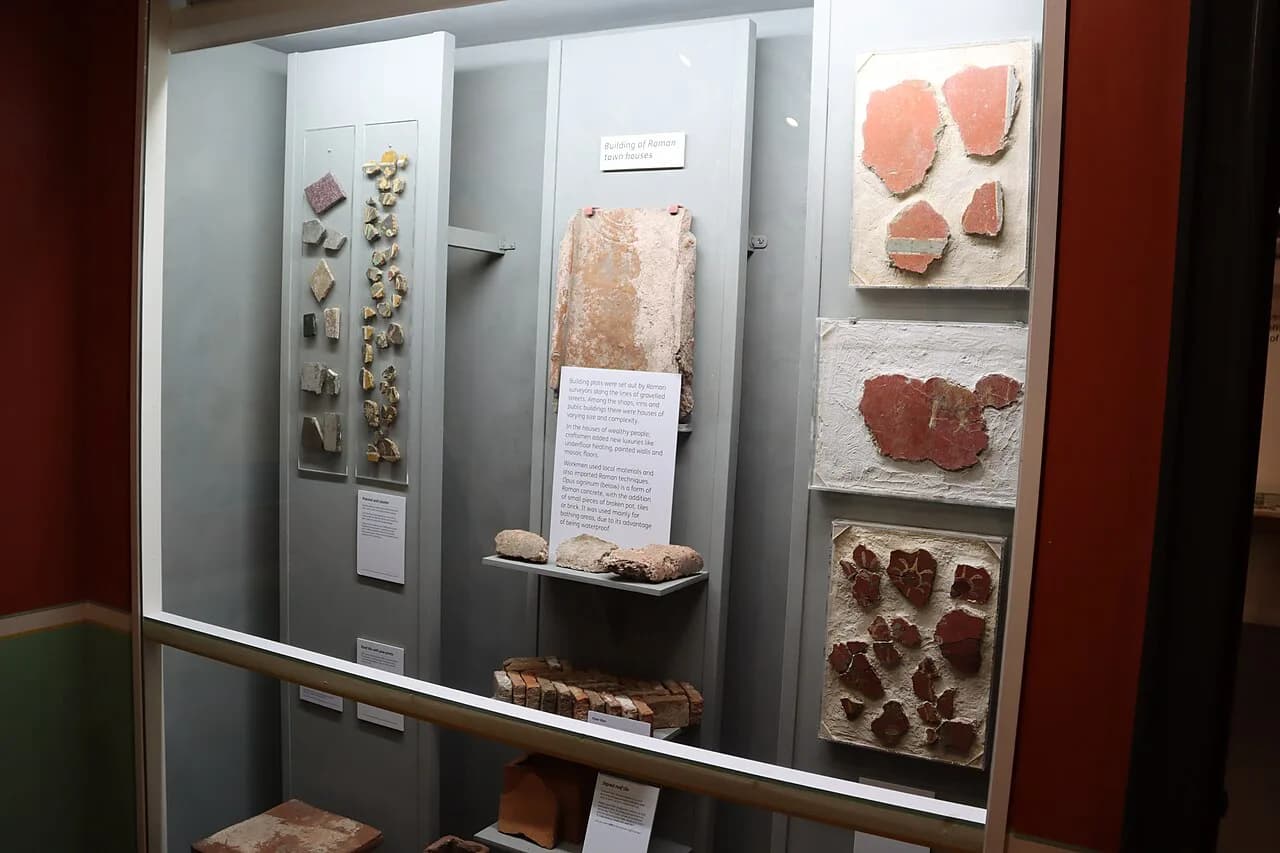
The museum preserves the underground remains of a high-status Roman townhouse in Durovernum Cantiacorum, the Roman settlement beneath modern Canterbury. The ticket page describes the site being uncovered beneath bomb rubble after the Second World War, with the townhouse dated to the late first to second century AD and the site protected as a Scheduled Ancient Monument. That origin story explains the museum's shape: you are not walking through a purpose-built hall but around surviving foundations left in place.
Canterbury Museums & Galleries runs the museum, and its website is maintained by the service as part of Canterbury City Council. That matters for planning because it is a civic museum, not an English Heritage, National Trust or Historic Environment Scotland property, so memberships to those bodies do not apply and you should look to the museum's own pages for admissions information. The same civic service also runs the other city collections, which is why our guide to museums in Canterbury is worth reading alongside this one.
Treat this as a focused archaeology visit rather than a full-day attraction. The galleries are narrow, the lighting is low in places to protect the remains, and the whole experience is indoors and underground, which makes it a sensible choice on a wet afternoon or as a cool pause between street-level sightseeing. If you want a broad city overview first, the wider set of Canterbury Attractions is the better starting point.
Where it is on Butchery Lane in the Longmarket area
The entrance sits at 11A Longmarket, Butchery Lane, in the central Longmarket shopping area, a short walk from Canterbury Cathedral. Because it is tucked into the shopping streets, it is easy to pass without noticing; look for the address rather than a large standalone building.
That central position is the museum's main practical advantage. You can combine it with the cathedral precinct and the city centre shops on foot in a single afternoon, without needing transport between stops. Set aside the walking rather than the distance: the medieval lanes are narrow and busy, so progress is slower than the map suggests.
The preserved mosaic pavement and what you are looking at
The centrepiece is an intact Roman mosaic floor, found during post-war reconstruction and left in its original position. Raised walkways let you look down onto geometric patterns and central figurative panels rather than viewing them from the side.
Go early if the mosaic is your priority. The ticket page recommends arriving at opening on weekday mornings, when quieter conditions and lower foot traffic make the tile detail easier to read before the midday peak builds between roughly 1pm and 3pm.
The hypocaust and townhouse foundations
The hypocaust is the Roman underfloor heating system, and here you can see the flues and pillar structures that once carried warm air beneath the living quarters of a wealthy household. Interpretive lighting is used to show how the heat was channelled under the floors. Walking around the surviving foundation walls gives a clearer sense of room layout than any diagram.
Archaeologist Sheppard Frere directed the post-war excavations that uncovered the townhouse and mosaic, which is why the museum talks about the site in excavation terms as much as display terms. Read the panels around the foundations before moving on; they explain what was found where, and the visit makes far more sense with that context.
The Canterbury Silver Hoard and the artefact galleries
A secure gallery displays the Canterbury Silver Hoard, a buried group of late Roman silver spoons and military implements found locally. Surrounding cases hold everyday pottery, glassware, leather shoes and coins, which together sketch domestic and trading life in Roman Britain rather than just elite display pieces.
Families tend to get more out of these rooms than the bare masonry. The ticket page highlights interactive, hands-on exhibits and coin minting displays aimed at children and students, which is worth knowing if you are weighing up whether to bring younger visitors.

Tickets: separate admission and combo options
The Canterbury Roman Museum is not free, and admission is separate: it is not bundled with Canterbury Cathedral entry or with general city walking tours. The ticket page gives a starting adult price of about £10.50, with reduced rates for children, students and families, and a combo option with The Beaney House of Art & Knowledge if you plan to visit both in one day.
If you are comparing city museums, The Beaney, Canterbury is the natural pairing because of that joint ticket, and it sits close by in the centre. For the broader picture of what is free and what charges, see museums in Canterbury before committing your budget.
Booking ahead is advised during UK school holidays, summer weekends and rainy peak afternoons, when capacity inside the narrow subterranean footprint is limited. Buying online also avoids a queue at the door during those windows.
Opening hours and last entry
The museum publishes daily opening of 10am to 5pm, with last entry at 4:15pm, 45 minutes before closing, and closure on selected public holidays. Plan your slot around the last-entry cut-off rather than the closing time, because arriving after 4:15pm means being turned away.
Opening times and holiday closures are the first thing to confirm on the museum's own pages before you travel, since these are the details most likely to shift.
How long to allow inside
Allow 60 to 90 minutes. A self-guided visitor covering the exhibits and interactive stations comfortably finishes in about an hour, while anyone reading closely around the hoard and the foundations should plan nearer 90 minutes.
The visit is short enough to pair with other central sights but long enough that squeezing it into a ten-minute gap is pointless. Build it into a half-day block with the cathedral and the lanes rather than treating it as a quick photo stop.
Getting there: walking times from Canterbury West and Canterbury East
Two stations serve the museum: Canterbury West is about a 10-minute walk and Canterbury East about 8 minutes, both into the central Longmarket area.
Drivers should use the city centre Park & Ride or public car parks such as Queningate or Watling Street rather than hunting for street parking in the lanes. On foot from Canterbury East station you are close to Canterbury Castle, which makes a sensible add-on if you are arriving that way.
Accessibility and the street-level lift
A street-level platform lift carries visitors down to the Roman street level, and the subterranean walkways are step-free. Some historic corridors are narrow, so larger strollers and manual wheelchairs need extra care. Accessible toilets are available near the main entrance.
If mobility is a concern, the key point is that the main mosaic and artefact routes are step-free once you are down, so the lift is the only vertical obstacle to plan around.

Practical rules: photography, bags, food and drink
Personal photography without flash is permitted; tripods and selfie sticks are not. Food and drink are banned inside the exhibit halls, large luggage and oversized backpacks are not allowed, and small lockers are available on site. Touching the ancient stonework, hypocaust brickwork or mosaic tiles is prohibited.
In practice, travel light and eat before or after. The rule against food and drink, combined with the compact galleries, makes this a poor spot for a lingering lunch stop.
What is nearby when you come back up to street level
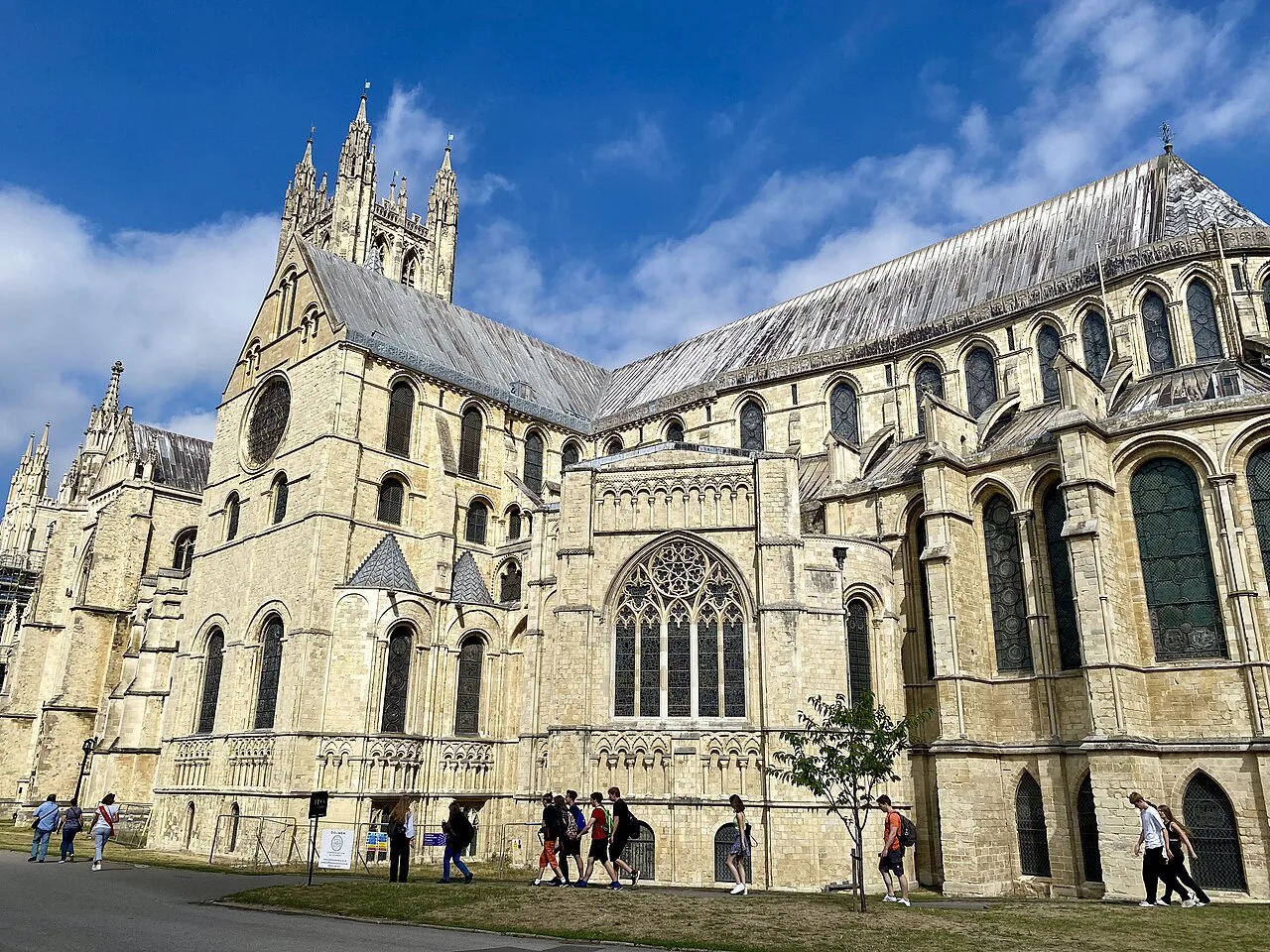
Back at street level you are minutes from Canterbury Cathedral and its precinct, the obvious next stop for most visitors. St Augustine's Abbey, Canterbury lies just outside the city walls and pairs well with the Roman material for anyone following the city's early history.
For green space, Dane John Gardens, Canterbury is a short walk away with the city walls running through it. Westgate Towers, Canterbury, the last surviving medieval gate, is another easy add-on in the same central cluster.
If you are building a full day, the wider list of things to do in Canterbury will help you sequence these stops without criss-crossing the centre repeatedly.
Is it worth it for your trip? Honest trade-offs
Go if you want authentic Roman Britain in situ, are travelling with children who like hands-on exhibits, or need a weather-independent stop in the shopping lanes. Skip it if you expect a large multi-floor national museum or are short of time and prioritising big open-air sites such as the cathedral or the abbey.
The honest trade-off is price against scale. You are paying a modest but real admission for a compact underground site, so the value depends on how much you want to see a mosaic and hypocaust left where they were built. Visitors looking for a free civic museum should head to The Beaney House of Art & Knowledge, Canterbury instead, especially with the combo ticket in mind; our guide to museums in Canterbury compares it with the other city collections.
One further check worth making: families report the museum suits children and that tickets are inexpensive, which aligns with the compact, child-friendly presentation rather than contradicting it. If you end up weighing it against the city's other indoor sights, the guide to museums in Canterbury sets out how the options compare.
Plan Your Visit
Book a weekday morning slot if you can, arrive before 11:30am to see the mosaic in quiet conditions, and give yourself an hour to ninety minutes underground. Opening hours and holiday closures are the details to confirm on the museum's own pages before a bank-holiday trip.
Pair it with the cathedral precinct and The Beaney on the same day, keep bags small and leave food and drink for later. The result is a focused, weather-proof dose of Roman Canterbury that fits neatly into a wider city break.
Frequently Asked Questions
Is the Canterbury Roman Museum free?
No. The museum requires its own admission ticket, and entry is not included with Canterbury Cathedral tickets or general city walking tours. The ticket page lists a starting adult price with reduced rates for children, students and families, plus a joint ticket with The Beaney House of Art & Knowledge.
Do I need a separate ticket for the Canterbury Roman Museum?
Yes. The Roman Museum has its own dedicated admission and is not bundled with the cathedral or with walking tours, so budget for it separately from other Canterbury sights.
Is the Canterbury Roman Museum included in Canterbury Cathedral tickets?
No. Cathedral admission does not cover the Roman Museum, which is run separately by Canterbury Museums & Galleries as part of Canterbury City Council.
How long does a visit to the Canterbury Roman Museum take?
Allow 60 to 90 minutes. An hour covers the mosaic, hypocaust, Silver Hoard and interactive stations at a steady pace; closer to 90 minutes suits anyone reading the excavation panels in detail.
What is the best time to visit the Canterbury Roman Museum?
A weekday morning just after opening is quietest, and the mosaic reads better in low foot traffic before the midday peak. School holidays and rainy weekend afternoons are the busiest windows, so book ahead then.
Is the Canterbury Roman Museum accessible?
A street-level platform lift takes visitors down to the Roman ground level, and the main mosaic and artefact routes are step-free. Some historic corridors are narrow, so larger strollers and manual wheelchairs need extra care.
What did the Romans call Canterbury?
Durovernum Cantiacorum. The museum's remains sit within that Roman settlement, which is why the panels frame the townhouse as part of a working Roman town rather than an isolated villa.
What should I leave behind before going in?
Large luggage and oversized backpacks are not allowed, though small lockers are available on site. Food and drink are banned in the exhibit halls, and tripods and selfie sticks are not permitted, so travel light.