
White Cliffs of Dover: a visitor guide to the cliffs and walks

The White Cliffs of Dover are a ten-mile run of chalk cliffs on the Kent coast, facing out towards mainland Europe and standing as one of the most recognisable edges of Britain. For a visitor the appeal is straightforward: a walkable clifftop, a clear view across the English Channel and a set of wartime tunnels cut into the rock. The cliffs matter most to people who want an hour or two of open air and history on the same trip.
What the White Cliffs of Dover are and why they are famous
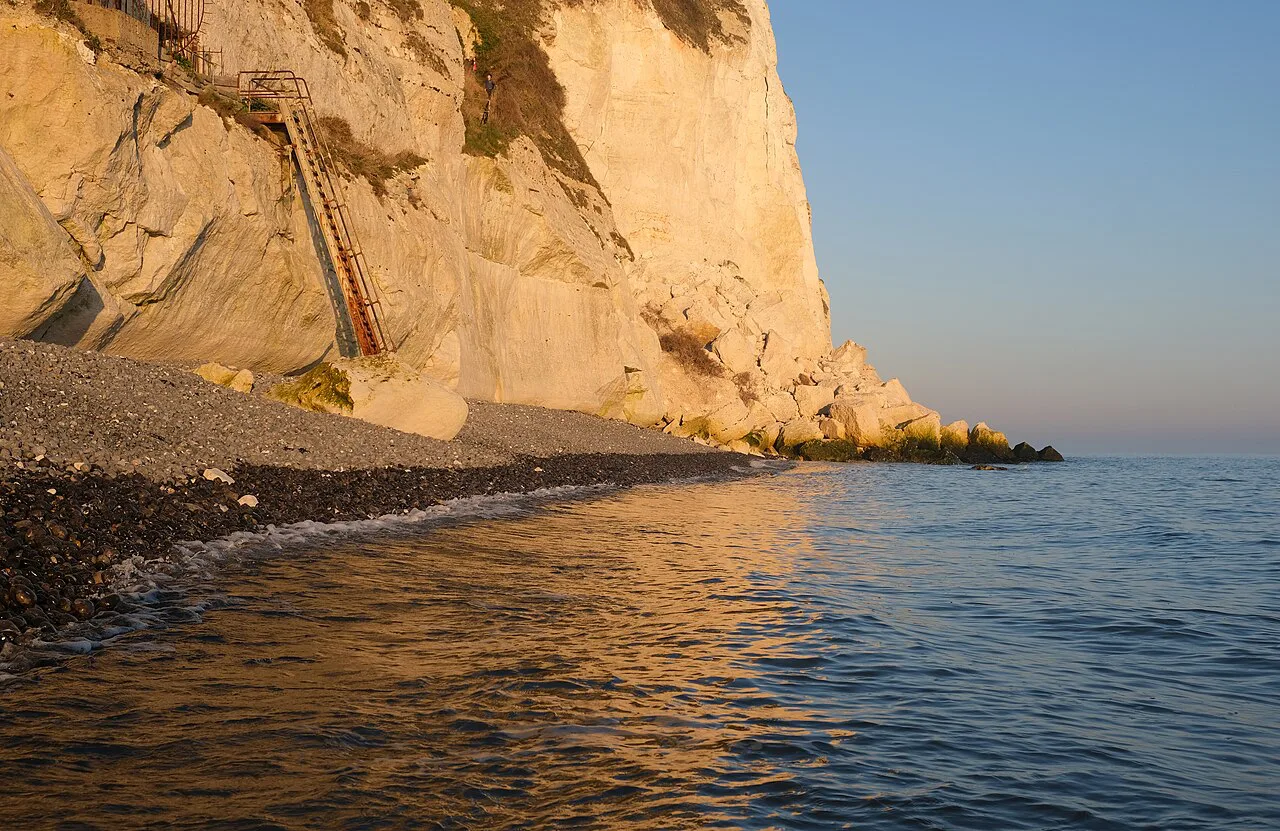
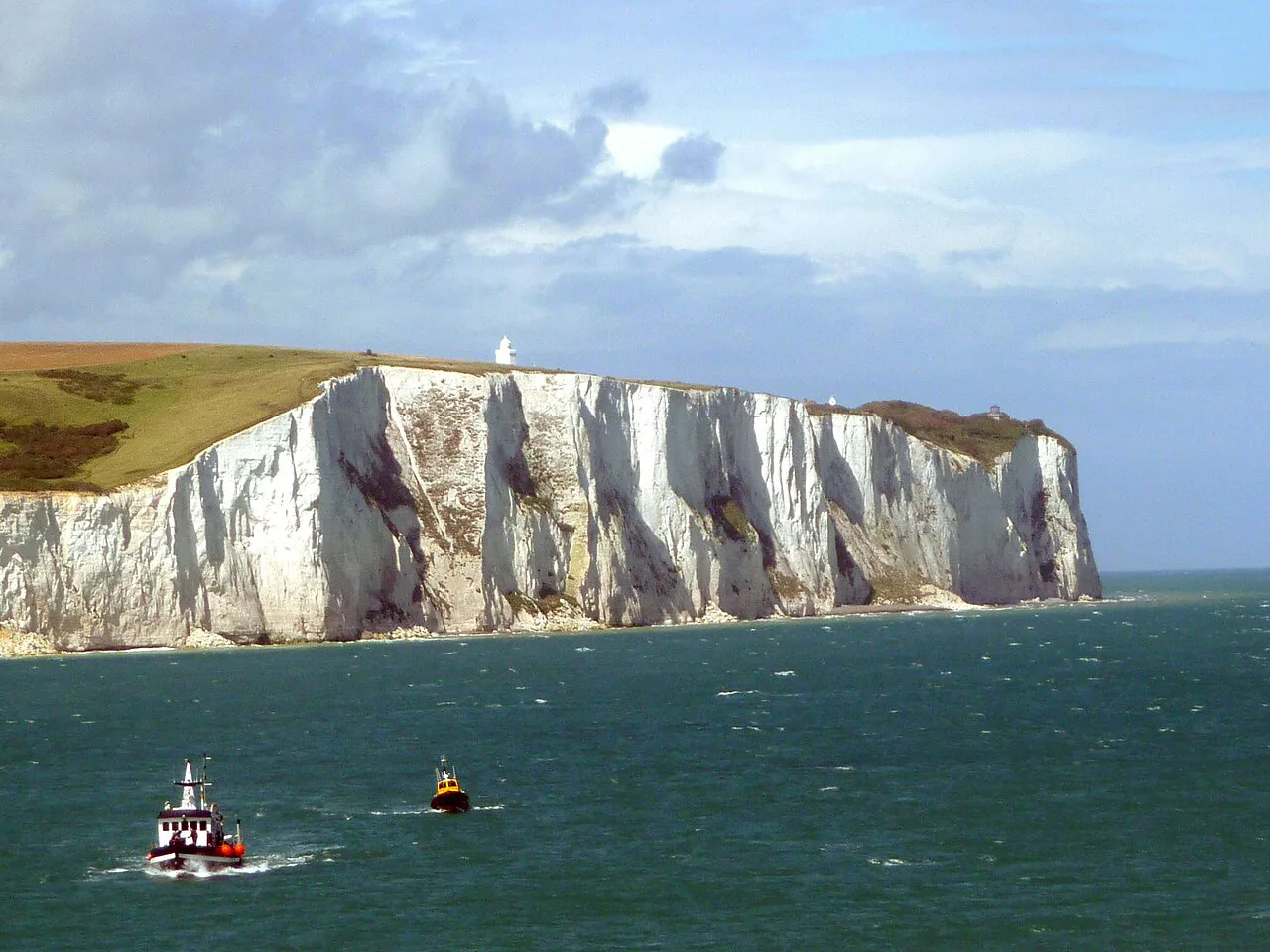
The cliffs stretch roughly 16 kilometres, or 10 miles, along the south-eastern coast of England and face towards the continent, which is why they have long been read as the country's front door and a natural barrier against sea invasion.
Their pull is visual as much as historical: a sheer white wall above the Channel, close to the ferry crossings to Calais. If you are building a day around them, they sit alongside the town's other sights in our Dover Attractions, which covers castles, museums and the harbour in one place.
Where the cliffs are and how to get there from Dover
The cliffs form the coastline immediately east and north-east of Dover town in Kent, with the chalk running above the Channel rather than in a single named car park or gate. Travel companies treat them as the defining landmark of the Dover area, symbolising the geographic and historic link between England and mainland Europe.
Most visitors reach Dover by train or by road and then continue on foot or by local transport towards the clifftop paths. Because the cliffs are a landscape rather than a ticketed building, the useful planning step is to fix your walking start point and route before you arrive; the town centre, the harbour and the castle all sit within the same compact area.
The chalk itself: what the cliffs are made of
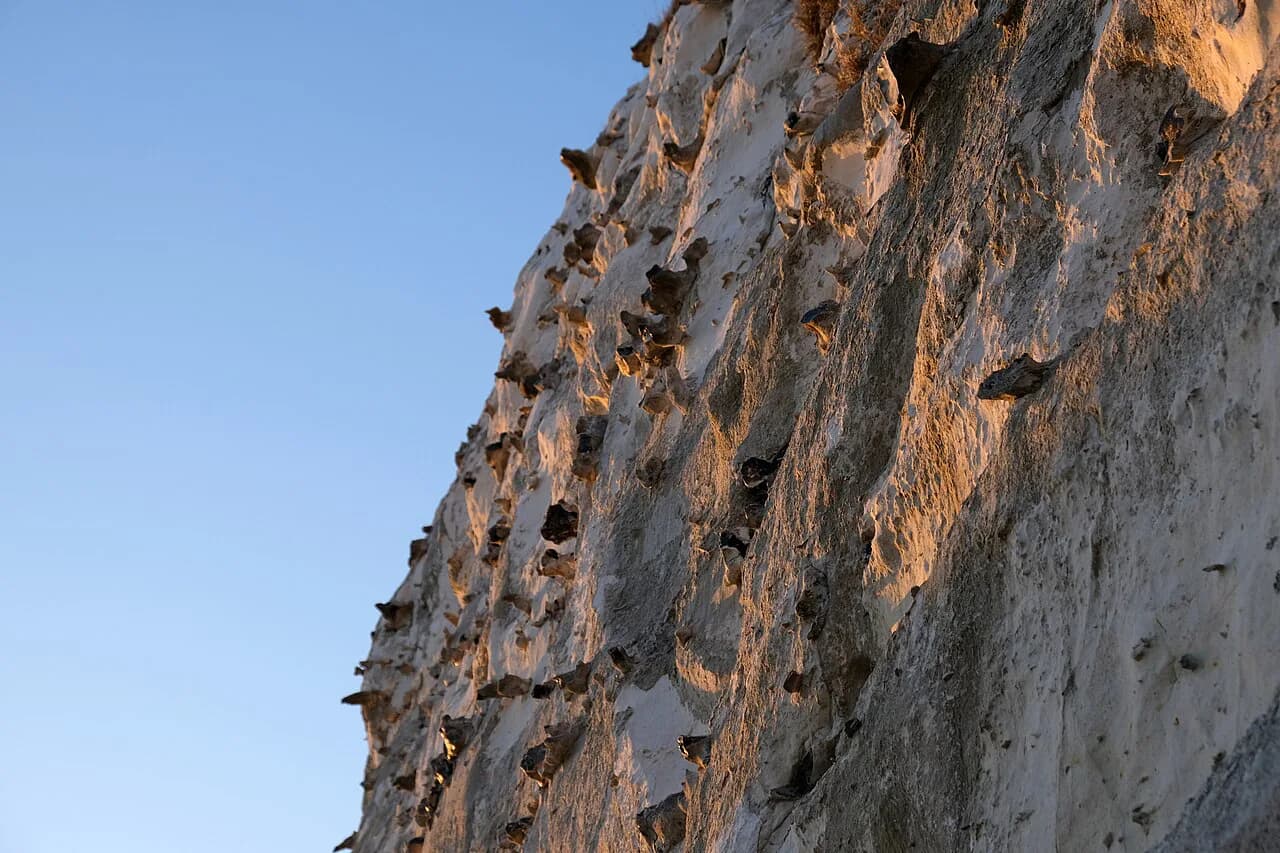
The white colour comes from calcium carbonate: the rock is a pure form of limestone built from the fossilised shells of countless microscopic organisms. Once you know that, the cliffs stop being a backdrop and become the thing you have come to look at, with visible bedding in the chalk face.
Fossil hunters do better on the Dorset coast, where walking trails give easier access to chalk beds holding large ammonites and other shell fossils, and the wider area is described as a fossil hunter's paradise. Treat that as a separate trip rather than a Dover add-on: it is a different stretch of the English Channel coast in South West England, not a short walk from the Kent cliffs.
The cliff-top walk: distance, ascent and time
The White Cliffs of Dover Circular is graded as an easy hike covering 3.6 miles, with about 285 feet of elevation gain, and takes roughly one to one and a half hours to complete. Those figures come from the route description rather than an official trail survey, so use them to plan a slot and adjust for your own pace, stops for photographs and any wind on the exposed sections.
On a half-day visit, the circular makes the anchor: walk it, then spend the remaining time on the tunnels and the town, rather than trying to combine the cliffs with a full castle tour. Walkers who want a longer outing can extend along the clifftop paths, but the circular is the honest minimum for seeing the cliffs properly on foot.

The wartime tunnels inside the cliffs
There are wartime tunnels inside the cliffs, and they are the reason the site is more than a viewpoint. The evacuation of Dunkirk in the Second World War was planned there, which makes the tunnels a distinct thing to do at the cliffs rather than an extension of the clifftop walk.
Visitor information for the tunnels and the surrounding site sits with the cliffs themselves, so plan the walk and the tunnels as two separate parts of the day with a pause between them. The tunnels are the part of a Dover break that rewards a little reading beforehand, and they pair naturally with Dover Castle, the town's other major military site.
Can you see the cliffs for free?
The chalk landscape itself is open coastline, so the cliffs and the Channel view are not something you buy a ticket to stand in front of. Anything with a built facility attached, such as the wartime tunnels, is a separate matter: check the current ticket terms and opening days with the White Cliffs visitor centre before you travel, as these change by season.
Budget for the whole day rather than the view: a castle ticket, a tunnel ticket and a cup of tea in town add up, and prices should be confirmed on the day you book. If you are weighing up Dover's paid attractions, the castle is the bigger time commitment and the cliffs are the cheaper one.
Safety on the cliffs
Keep small children within arm's reach near the cliff edge and the water, and stay back from the edge yourself: the chalk is soft, the top is unfenced in places and gusts come off the Channel without warning.
Wear shoes with grip rather than smooth soles, since chalk and grass get slick after rain, and take a windproof layer even on a warm day. Plan the walk for daylight and check the weather before setting out, because the exposed clifftop is no place to be caught in poor visibility.
How much time to allow and shaping a half day
A sensible half day is the circular walk plus the wartime tunnels, with the walk taking about one to one and a half hours at an easy pace and the tunnels filling the rest. That leaves the cliffs as a morning or an afternoon rather than a full day, and keeps energy for the climb back into town.
If you have a full day, do the cliffs first while the light is clear over the Channel, then move inland to the castle or the town's smaller museums. Trying to fit the cliffs, the castle and a harbour wander into one afternoon leaves you rushing the part with the best views.

Nearby: Dover Castle and Dover town
Dover Castle is run by English Heritage and is the obvious companion sight, sitting above the town and covering the same military story from the medieval period to the Second World War. It deserves its own slot rather than an hour squeezed in after the cliffs.
In town, the Dover Museum holds the Bronze Age Boat Gallery, and the Roman Painted House, Dover adds a Roman layer to a day that otherwise runs from chalk to the twentieth century. Both are compact stops that work well when the weather turns.
The harbour is worth a look for the scale of the cross-Channel traffic, and the Western Heights Dover fortifications on the opposite side of town show how heavily this coastline was defended from the Napoleonic Wars onwards.
Practical tips for a day at the cliffs
Take water and something to eat, because the clifftop offers views rather than shops, and bin anything you carry in. Binoculars are worth the weight for watching shipping in the Channel and picking out the French coast on a clear day.
If you are travelling onwards to France, keep passports with you, since a Channel crossing needs them. That detail matters for anyone linking the cliffs to a ferry from Dover to Calais.
For a rainy day alternative, the Dover Transport Museum on Willingdon Road covers the town's road and rail history indoors. It is the kind of small local museum that fills an hour when the cliffs are lost in cloud.
Plan Your Visit
The White Cliffs of Dover reward a simple plan: the 3.6-mile circular for the views, the wartime tunnels for the history of the Dunkirk evacuation, and the town or castle for whatever time is left. Check current opening arrangements for the tunnels and the castle before you set out, then give the cliffs the morning. If you are weighing a second cathedral city into the same Kent trip, our Canterbury guide covers the things to do in Canterbury.
Explore more Dover guides
Frequently Asked Questions
Why are the White Cliffs of Dover famous?
They are a ten-mile stretch of chalk cliffs facing mainland Europe, long treated as a symbol of Britain's front door and its historic link with the continent. The white face above the English Channel is also simply a striking sight, which is why they appear on so many itineraries for Kent.
How long is the White Cliffs of Dover walk?
The White Cliffs of Dover Circular is described as an easy 3.6-mile hike with about 285 feet of ascent, taking roughly one to one and a half hours. Those figures come from the route description, so allow extra time for stops, wind and your own pace.
Can you see the White Cliffs of Dover for free?
The chalk coastline itself is open landscape, so there is no ticket to stand and look at the cliffs and the Channel. Anything with facilities attached, such as the wartime tunnels, is separate; check current ticket terms and opening days before you travel.
Are there tunnels in the White Cliffs of Dover?
Yes. Wartime tunnels run inside the cliffs, and the Dunkirk evacuation in the Second World War was planned there. They are a distinct thing to do from the clifftop walk, so plan them as a separate part of your day rather than an extension of the circular.
What are the White Cliffs of Dover made of?
Chalk: calcium carbonate formed from the fossilised shells of microscopic organisms. That composition is what gives the cliffs their white colour, and you can see the bedding in the rock face as you walk.
How far are the White Cliffs from Dover town?
The cliffs form the coastline immediately beside Dover, with the town, harbour and castle in the same compact area. Fix your walking start point before you arrive, since the cliffs are a landscape rather than a single gated entrance.
What else is there to do near the White Cliffs of Dover?
Dover Castle, run by English Heritage, is the main companion sight and covers the town's military story from medieval times to the Second World War. In town, the Dover Museum with its Bronze Age Boat Gallery, the Roman Painted House and the harbour fill out a full day.
Is the White Cliffs walk suitable for children?
It is graded easy, which makes it manageable for families, but keep small children within arm's reach near the cliff edge and the water. The chalk top is soft and unfenced in places, so stay back from the edge and choose grippy shoes.