
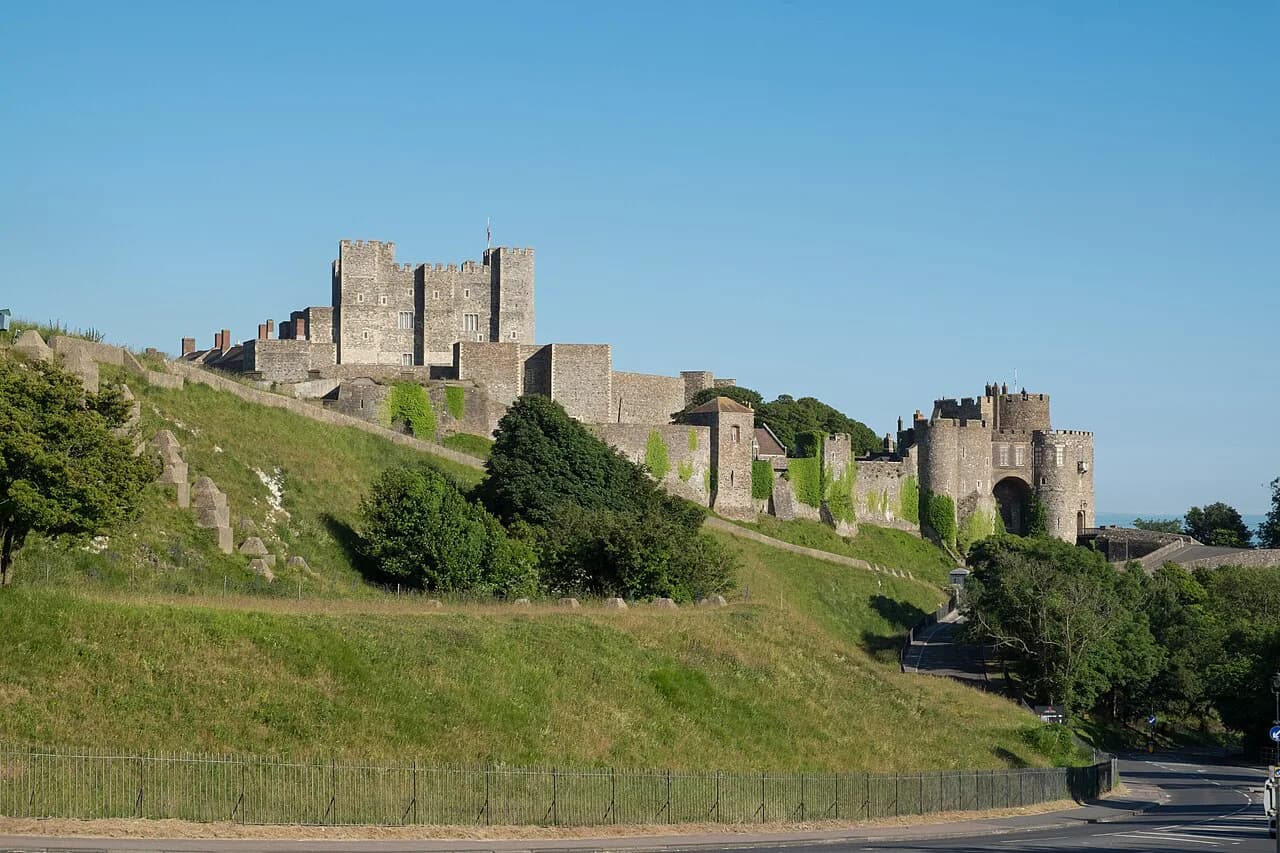
Dover Castle: A Visitor's Guide to the Keep, Tunnels and White Cliffs

Dover Castle is the historic centrepiece of Dover, a hilltop fortress above the port that layers a Roman lighthouse, a medieval royal castle and Second World War defences on one site. English Heritage cares for it, and the visit splits naturally into three parts: the Great Tower, the Secret Wartime Tunnels and the outer walls with their Roman and Anglo-Saxon remains. Budget most of a day if you want all three, or half a day for the keep and views alone.
The castle sits on the chalk above the town, so the approach is a climb and the weather matters more than it does in a museum. Read on for the layout, the walking route from Dover Priory station, the honest trade-offs between the keep and the tunnels, and the nearby sights that pair well without doubling the day.
Where Dover Castle Sits Above the Port
Dover Castle stands on the White Cliffs directly above the Port of Dover, which is Europe's busiest ferry port and has been the town's international gateway since 1606. That position explains both the castle's purpose and its appeal: it guarded the shortest crossing to France, and from the ramparts you look down on ferries, cruise ships and the marina.
Because the site is exposed clifftop, wind and rain cut across the walls and courtyards even when the town below feels mild. Pack a waterproof layer and sturdy shoes, and treat the outdoor stretches as the part of the day to do in good weather and the tunnels as shelter when it turns. Views over the English Channel are the reward for the climb, and they are best from the outer walls.
Dover itself is compact, and the castle is one of several historic sights within walking distance of the centre, along with the Maison Dieu town hall and the town's museums. If you are building a short break around the castle, the wider collection of Dover guides shows how the pieces fit together.
Getting There From Dover Priory Station and the Town Centre
Dover Priory is the nearest railway station to the castle and to the ferry terminals, served by High Speed 1 trains from London in just over an hour. The station is a little over a mile from the ferry terminal, and the walk from the station up to the castle entrance is a steady climb through the town rather than a flat stroll.
On foot, allow roughly 25 to 30 minutes from the station to the castle gate, more if you are carrying luggage or travelling with young children. Local buses and taxis cover the hill, and taxis wait at the station rank; if the climb is not for you, take a cab up and walk back down through the town. Drivers approach via the A20 from Folkestone or the A2 from Faversham, both of which lead to the Eastern Docks roundabout below the castle.
The castle entrance sits above the town, so the last stretch is uphill whichever route you take. Wear shoes with grip, since the paths and the chalk grassland around the walls get slippery after rain, and keep something in reserve for the walk back down. One practical note: if you are heading onward to the continent, the Eastern Docks are a short taxi ride from the castle rather than a walk with bags.
A Short History of the Castle
The hill has been fortified for around two thousand years. The Roman Pharos, a lighthouse built when Rome held Britain, still stands within the castle walls and is described as one of the only remaining Roman lighthouses in the world, alongside the Anglo-Saxon church of St Mary de Castro nearby.
The medieval castle took its present shape in the twelfth century, when Henry II rebuilt and expanded the defences and raised the Great Tower as a showpiece of royal power. Later centuries added outer works and barracks, and in the Second World War the tunnels beneath the cliffs became a command centre and hospital. That combination of Roman, medieval and modern is what makes Dover unusual among English castles, though if you enjoy comparing Norman keeps, Chester Castle and its Agricola Tower make a worthwhile contrast.
The Great Tower and the Royal Court of Henry II
The Great Tower is the heart of a visit and the easiest part to anchor your day around. Inside, the rooms are presented as the royal court of Henry II, so you walk through furnished halls and chambers rather than empty stone shells, and the experience works well for children because there is something to look at in every room.
Allow at least an hour for the tower if you read the displays and climb to the roof for the view across the port. The spiral stairs are narrow and busy points form at the top, so travellers with small children or a fear of heights may prefer to enjoy the halls and courtyards instead. Outside the tower, the battlements and lawns give you the classic view of the castle above the town.
The Secret Wartime Tunnels and the Underground Hospital
The Secret Wartime Tunnels are the part of Dover Castle most often underestimated. These passages were dug into the chalk beneath the castle and served as a command centre and hospital during the Second World War, and the Underground Hospital is presented within them as an atmospheric walk-through rather than a museum gallery.
Tunnel access is by timed entry and numbers are limited, so this is the element to plan first rather than last. Check availability for the tunnel experience when you book your castle admission, and head there early in the day if you have a slot; the temperature underground stays cool even in summer, which makes it a sensible choice on a wet or windy afternoon. The passages are dim and enclosed, and visitors with claustrophobia or limited mobility should read the access information before committing.
The Roman Lighthouse and the Anglo-Saxon Church
The Roman Pharos and the church of St Mary de Castro stand close together within the castle walls, and together they take far less time than the tower or tunnels. The Pharos is a squat, layered tower that has survived nearly two millennia, while the church beside it preserves Anglo-Saxon masonry. Both are quick stops on the way between the main sights, and together they make a useful pause on the climb between the lower and upper parts of the site.
History of this depth is easy to rush past, so read the panels rather than walking straight through. If Roman Dover interests you, the Roman Painted House in the town below extends the story with exceptionally preserved villa remains and underfloor heating discovered in 1970.
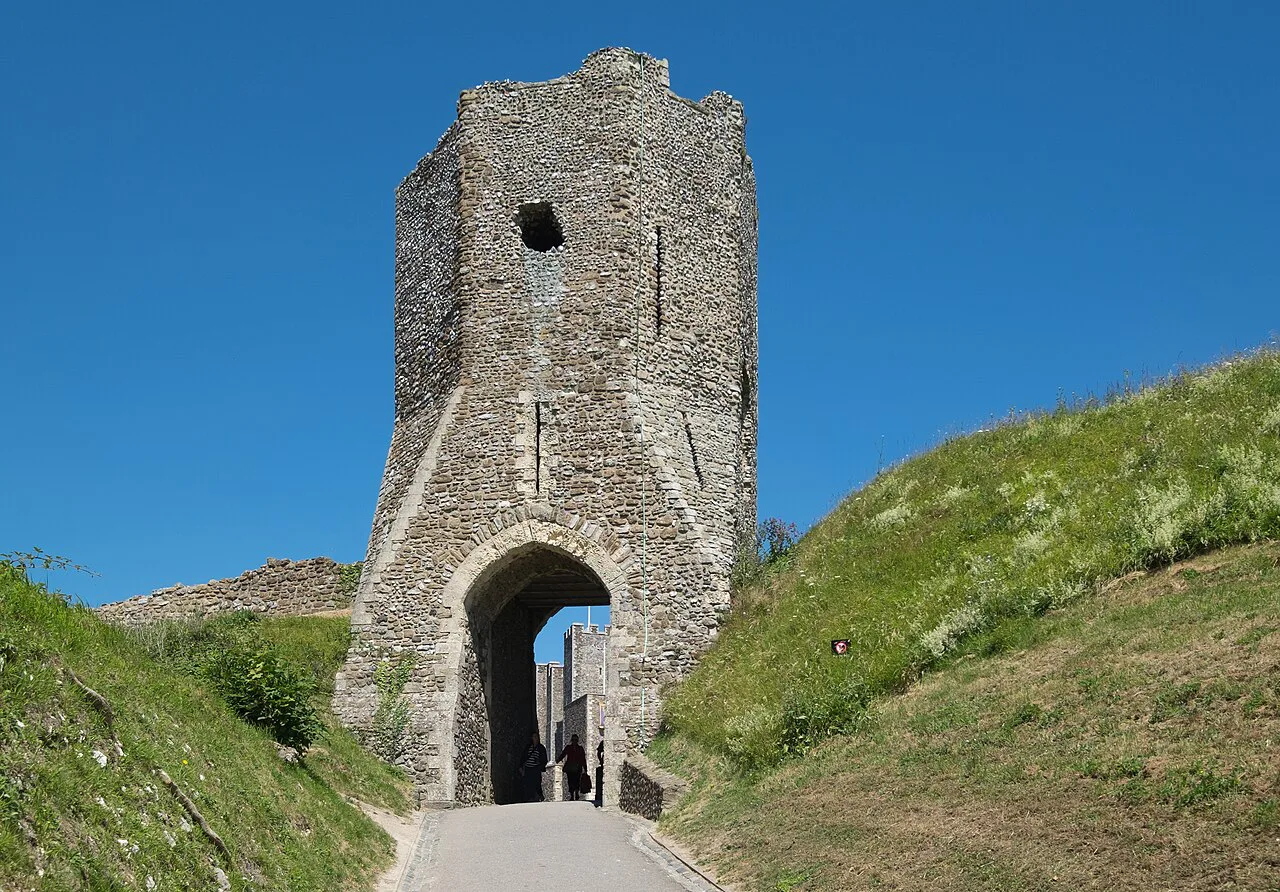

Dover Castle Under Siege
Dover Castle Under Siege is the castle's immersive presentation of medieval warfare, and it is a good fit for families because it turns the story of fortification and attack into something you walk through rather than read. It rounds out a visit alongside the Great Tower: the tower shows how the castle was lived in, the siege experience shows how it was defended.
Treat it as a flexible stop rather than a fixed appointment. If time is short, pair it with the Great Tower and leave the tunnels for a return visit, or reverse that order if you have secured a tunnel slot. Either way, build in slack between timed elements, because moving across a hilltop site with steep paths takes longer than the map suggests.
Tickets and Booking Ahead
Dover Castle is an English Heritage site and charges admission, unlike the free national museums in many British cities. Prices vary by season and by whether you book online or on the day, so check the current admission rates on English Heritage's Dover Castle page before you set a budget rather than relying on a figure quoted elsewhere. Members of English Heritage typically enter without paying separately, and concession rates exist for families, seniors and students.
Book in advance if you want a timed slot for the Secret Wartime Tunnels, and consider booking admission online as well to avoid a queue at the ticket desk. Third-party sellers list Dover Castle tickets and tours, but buying direct from English Heritage keeps the terms simple if your plans change. If you are visiting more than one English Heritage property in the year, price a membership against your combined admission and decide before you travel.
Opening Hours and Seasonal Variation
Opening times at Dover Castle change through the year, with shorter days in winter and longer ones in summer, and some parts of the site may close for maintenance or weather. English Heritage publishes the current opening times for the castle, so check the official page for the dates you plan to travel and confirm the last admission time as well as the opening hour, since the two are not the same.
Winter visits are quieter but the daylight is short, and the tunnels and tower are the parts that work best when the weather closes in. Summer gives you the walls, lawns and views at their best but brings the largest crowds. Arriving close to opening gives you the Great Tower before the middle of the day fills up, and it leaves room for the tunnels afterwards.
How Long to Allow
Allow a full day if you want the Great Tower, the Secret Wartime Tunnels, the Roman remains and time on the walls. A realistic split is roughly an hour for the tower, an hour or more for the tunnels including the timed entry wait, half an hour for the Roman Pharos and church, and the rest for the siege experience, the outer defences and the views. Half a day is enough for the tower, the walls and one shorter element.
With limited mobility, plan around the steep paths and the distance between the lower entrance and the upper castle, and accept that you may not cover everything. The tunnels involve enclosed passages, and the tower involves spiral stairs, so pick one as your priority rather than attempting both at pace. Families should build in a break midway, because children tire on the hill long before they tire of the exhibits.
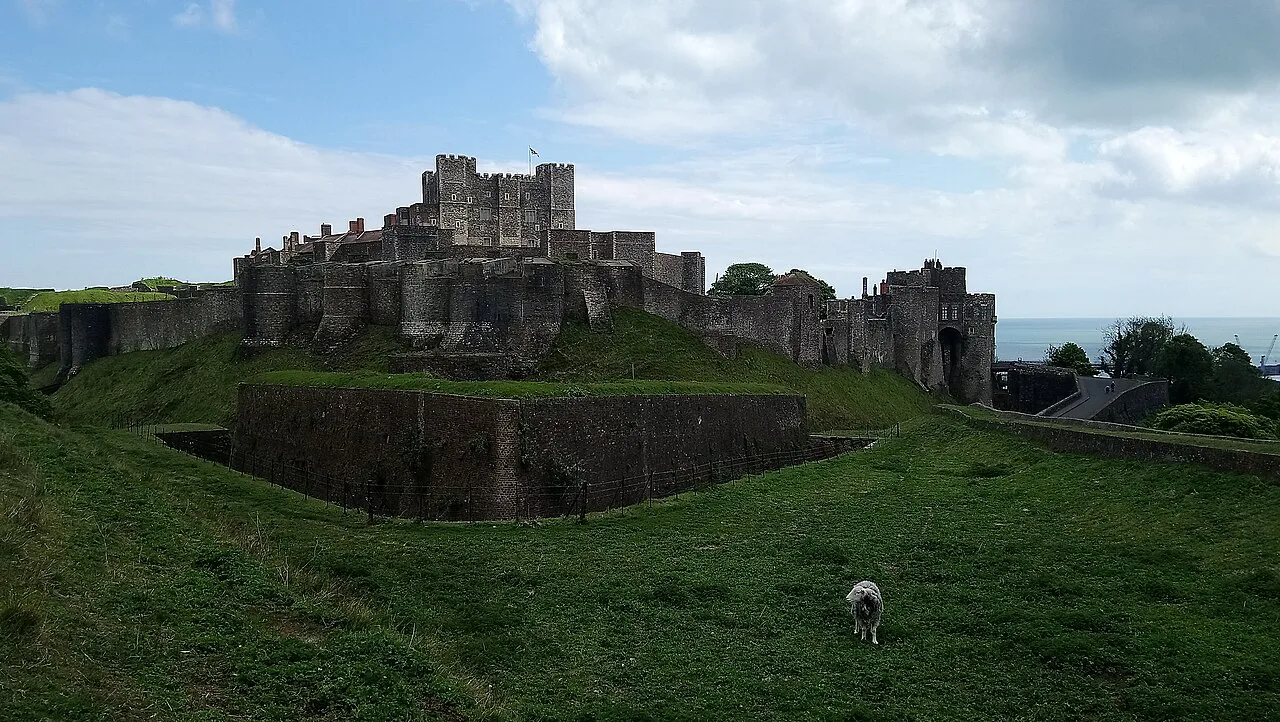

Facilities and Practicalities
Expect a hilltop site with uneven ground, steps, slopes and underground passages, so dress for walking rather than for a museum. Weather on the cliffs turns quickly, and the outdoor stretches between buildings are where you will feel it. Bring water and snacks for the outdoor parts, and treat the tunnels as your shelter if a shower blows in.
The site is large enough that you will cover several kilometres on foot across the day, so comfortable shoes matter more than any other piece of kit. Check English Heritage's access information for step-free routes, mobility provision and the specific restrictions inside the tunnels and tower before booking if anyone in your party has mobility needs, hearing difficulties or claustrophobia.
Nearby: The White Cliffs, Fan Bay and Dover's Museums
The White Cliffs of Dover walk starts close to the castle and is a National Trust property rather than an English Heritage one, so it is a separate outing with its own considerations. The clifftop path runs towards South Foreland Lighthouse at St Margaret's Bay, and the National Trust also runs guided tours of Fan Bay Deep Shelter, the Second World War tunnels in the cliffs. Do not try to count the castle and the full cliff walk as one half-day. For the practical details, see the Dover guide.
In town, Dover Museum holds the Bronze Age Boat, described as the world's oldest known sea-going vessel, and the Maison Dieu, the 800-year-old town hall, has reopened after a multimillion-pound restoration with its interiors brought back to life. Both are short visits that fit around a castle day rather than competing with it.
For something different in the town, the Grand Shaft is one of Dover's more unusual military survivals, and the Dover Transport Museum suits anyone with an interest in vehicles and local history.
Where to Eat After Your Visit
Dover's eating options cluster in the town centre and around the marina, and the Marina Curve is the place to head for a waterfront walk with places to eat and drink, with live music every Sunday during the summer months. It is a sensible end to a castle day because it is downhill and close to the seafront rather than back up on the cliffs.
For a garden stop, the Pines Garden behind the cliffs at St Margaret's Bay has an organic garden and tearooms, which pairs well with the White Cliffs walk if you have a car. For afternoon tea specifically, check menus and serving times directly with Pines Garden and other individual venues, since offerings change with the season.
Who Dover Castle Suits
Dover Castle rewards anyone interested in how defence works across two thousand years, and it is one of the few English castles where a Roman lighthouse, a medieval royal keep and a Second World War command centre sit on the same hill. Families do well here because the tower and the siege experience are built for walking through, and history-minded adults can spend a full day on the detail.
It is less suitable if you have very limited time, difficulty with hills or enclosed spaces, or a tight budget and a preference for free museums. In those cases, choose one element, such as the Great Tower and the walls, and add a town museum instead. Walmer Castle & Gardens, a short trip along the coast, offers a smaller historic-house day if you want a contrast.
Plan Your Visit
Build your Dover Castle day around the Great Tower and the Secret Wartime Tunnels, then add the Roman Pharos, the church and the siege experience as time and energy allow. Book the tunnels ahead, arrive near opening, wear shoes for a hill and keep the White Cliffs walk as a separate outing rather than squeezing it in.
Confirm the current admission prices and opening times on English Heritage's Dover Castle page before you travel, and check access arrangements if anyone in your group needs step-free routes or finds enclosed spaces difficult. Everything else, from the climb up from the station to the view over the port, follows from those two checks.
Explore more Dover guides
Frequently Asked Questions
Is Dover Castle in Kent, England?
Yes. Dover Castle stands on the White Cliffs above the Port of Dover in Kent, on the south-east coast of England, and it is cared for by English Heritage.
How long does it take to visit Dover Castle?
Allow a full day for the Great Tower, the Secret Wartime Tunnels, the Roman Pharos and the walls. Half a day covers the tower, the views and one shorter element, which suits families or anyone with limited time.
Do you need to book Dover Castle tickets in advance?
Booking ahead is sensible, particularly for the Secret Wartime Tunnels, which use timed entry with limited numbers. Admission can be bought online or on the day; check English Heritage's Dover Castle page for the current process and availability.
How do you get to Dover Castle from Dover Priory station?
The walk from Dover Priory up to the castle takes roughly 25 to 30 minutes and climbs steadily through the town. Taxis wait at the station rank, and local buses cover the hill if you would rather ride up and walk back down.
What is there to see inside Dover Castle?
The main sights are the Great Tower presented as Henry II's royal court, the Secret Wartime Tunnels with the Underground Hospital, the Roman Pharos, the Anglo-Saxon church of St Mary de Castro and the Dover Castle Under Siege experience.
Is Dover Castle suitable for children?
Yes. The Great Tower's furnished rooms and the siege experience are easy for children to engage with, and the lawns and walls give them space. The spiral stairs and enclosed tunnels need supervision, and the hill tires young legs, so plan a break.
Can you stay overnight at Dover Castle?
There is no indication of overnight accommodation at the castle itself. Dover has a range of hotels, bed and breakfasts and self-catering places in the town, and the visitor information centre in Dover Museum can help with options.
Is Dover Castle worth visiting?
It is worth it if you want layered history in one place: Roman, medieval and Second World War defences on a single clifftop site with views over the port. If you have very little time or difficulty with hills, choose one part of the site rather than the whole day.