
Dover Transport Museum: what to see and how to get there

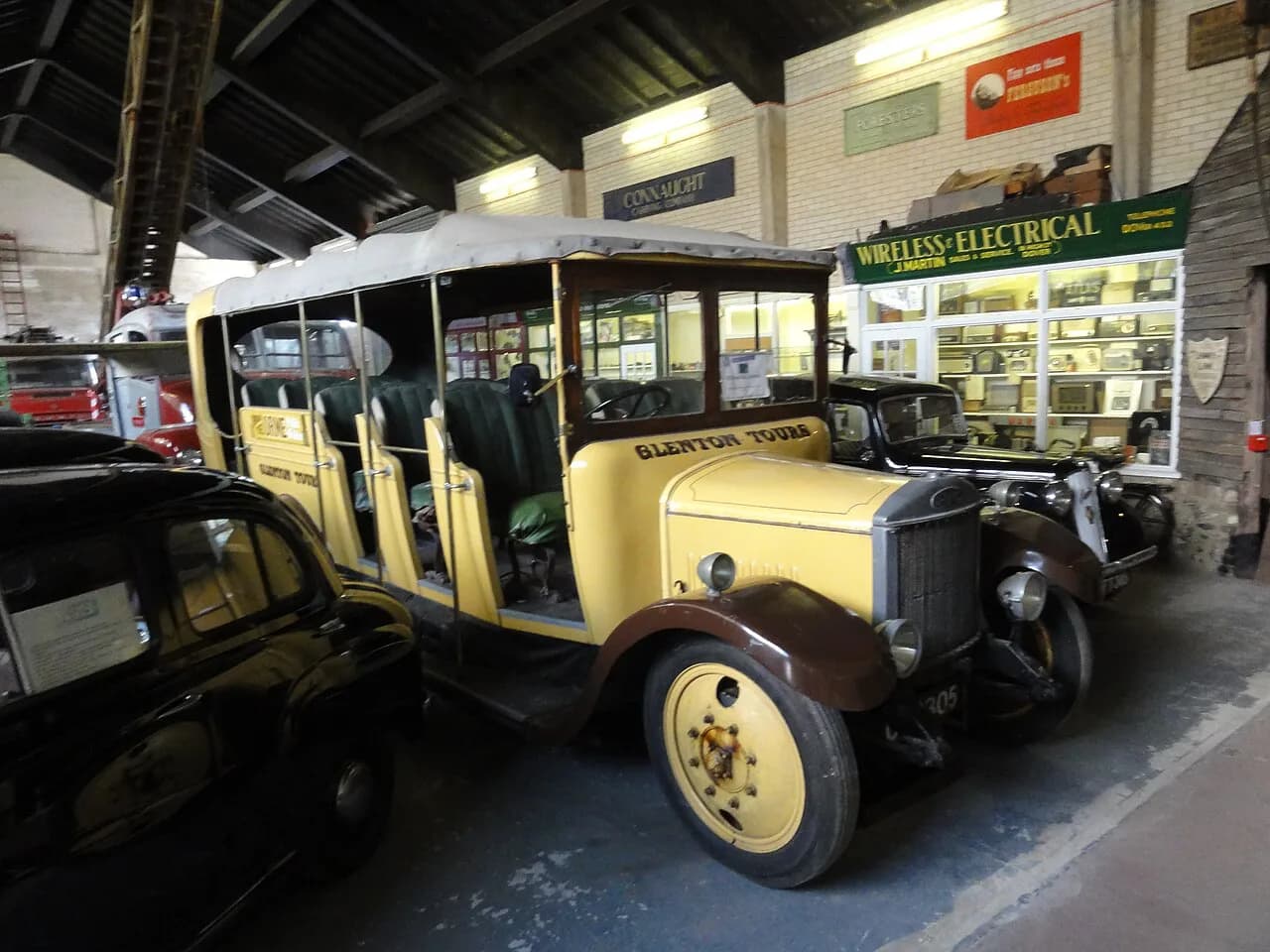
Dover Transport Museum is a volunteer-run collection of more than 50 vintage motor vehicles and other transport, displayed alongside recreated old Dover street scenes in exhibition halls on the edge of the town. It is a compact, enthusiast-minded museum rather than a full-day attraction, best paired with something larger nearby. Its setting is Whitfield, three miles outside Dover, so the visit takes a little planning before you set off.
What Dover Transport Museum is and where it sits
The museum occupies a site on Willingdon Road in Whitfield, a village just outside Dover in Kent, with the postcode CT16 2JX for directions. It is run as a society rather than a national museum: Dover Transport Museum Society is registered at that address as a company limited by guarantee, and the museum gives its registered charity number as 289484. That structure explains the character of the place, an assembled collection looked after by volunteers rather than a polished state-funded display.
In planning terms it sits at the opposite end of the scale from Dover Castle, the English Heritage fortress in the town itself. Treat the transport museum as a focused hour or two, and the castle as the anchor of a full day. If you are weighing up how the two fit together, our guide to things to do in Dover sets out the wider day around the castle and coast. The museum describes itself as roughly three miles from the Port of Dover, useful if you are arriving by ferry and want somewhere close to the port before driving on.
Getting there by car, and the sat-nav trap
By road, the museum sits just off the A2 at Whitfield and is signed with brown tourism signs, so following those from the Dover direction is simpler than trusting a postcode alone. The museum warns that some sat-navs route drivers along Old Park Hill, which is a no-through road, and advises choosing another way in. It suggests CT16 2HQ as an alternative navigation postcode if CT16 2JX proves awkward.
Parking is free and on-site, set within roughly two acres of grounds, which makes the museum an easy stop for anyone touring by car. Arriving from the continent, the museum notes that ferries run several times a day between Dover and both Calais and Dunkirk, so a visit can slot into a ferry day. Check your crossing times before committing, since the museum is a short drive from the port rather than a walk.
Getting there by bus from Dover town centre
Bus services run from Dover town centre and stop at Honeywood Road; from there you walk towards the superstore, turn right into Menzies Road and then left into Willingdon Road, where the museum is on the left. It is a short but real walk with a couple of turns, so note the sequence rather than expecting a stop at the gate. For bus times, Stagecoach publishes the current timetables on its website, so check those before relying on a specific service.
If you are working out how the museum fits with the rest of your day, it helps to see the wider set of Dover Attractions before fixing a route, because the town centre sights and the Whitfield site sit apart. Dover is compact, but the three-mile gap to Whitfield is the one leg that needs a bus, a taxi or a car.
The collection: vehicles, transport and models
The core of the museum is a collection of over 50 vintage motor vehicles, shown alongside other forms of transport and model collections in large exhibition halls. It is the kind of display where individual machines carry the interest: older cars, commercial and service vehicles, and the supporting material that places them in context. Allow time to read the labels rather than walking a lap, because the pleasure here is in the detail.
Model collections broaden the appeal beyond car enthusiasts, and they suit children who might tire of rows of parked vehicles. The halls are indoors, so the collection works whatever the weather on the day. That combination, real vehicles plus models, is what distinguishes the museum from a simple store of old machines.

Recreated old Dover street scenes
Inside the exhibition halls, the museum has built recreated old Dover street scenes that give a glimpse of how the town used to look. These sets change the register of the visit from a vehicle shed to something closer to a social history display, showing the streets the traffic once served. They also give children something to walk through rather than only look at, which helps on a family outing.
The street scenes reward a slower pass: look at the shopfronts and details rather than treating the set as a corridor between vehicles. Combined with the vehicles and models, they fill a focused visit without stretching it. If you want the town's older history in solid form, the Roman Painted House in Dover covers a different period entirely and pairs neatly with a transport-themed morning, and our guide to things to do in Dover, Kent shows how to slot both into one itinerary.
The visitor-controlled model railway
The museum's model railway, created in 2008, has grown in size since and now has eight tracks that visitors can control themselves. The museum describes it as one of the largest permanent model railways for many miles around, and the hands-on element is the reason to bring children: they operate the trains rather than watching through glass. Build in extra time here if you are visiting with younger family members.
Eight working tracks mean several children can take a turn at once, which shortens the wait on a busy day. It is also the part of the museum most likely to hold the attention of a child who has already walked past the cars. Plan the railway for the middle of your visit rather than the exit, so it acts as a reward.
Grounds and parking
The museum is set in approximately two acres of attractive grounds with free car parking, so there is room to stretch legs before or after the halls. Free parking removes one of the usual frictions of a Dover day out, where town-centre parking can be tight and paid. Arriving by car also lets you combine the museum with sights outside the centre without returning to town in between.
The grounds make a sensible picnic base in decent weather, though the museum's indoor halls are the main event. Because the site sits off the A2, it is easy to reach on the way in or out of Dover rather than detouring through the centre. That makes it a practical first or last stop of the day.
Tickets, opening hours and access
The museum publishes admission details and disabled access information on its own website, and that page is the place to confirm prices, opening days and any seasonal closures before you travel. Opening arrangements at Dover Transport Museum, which is volunteer-run, can differ from a large paid attraction, so check whether it is open on the day you plan to visit rather than assuming standard hours. The same applies to access: read the official access notes if anyone in your party has mobility needs, because the site combines outdoor grounds with exhibition halls.

How long to allow and when to go
Allow around an hour and a half to two hours: enough for the vehicle halls, the street scenes and a proper go on the model railway without rushing. Enthusiasts will want longer, while families with small children may finish sooner once the railway has been tried. It is not a full-day museum, so build the rest of the day around it rather than the other way round.
A wet Dover day suits the museum well, since the collection is indoors and the visit is short enough to fit between showers or to replace a washed-out cliff walk. On a fine day, pair it with an outdoor stop and use the free parking as your base. Either way, the museum works best as one part of a day rather than the whole of it.
Nearby sights to pair with a visit
Dover Castle is the obvious partner: an English Heritage site in the town, it offers towers, tunnels and centuries of defence history, and it fills the hours the transport museum leaves spare. Booking castle tickets ahead is sensible in peak periods, since it is one of the busiest attractions in the area. The contrast between a volunteer vehicle collection and a major fortress makes for a varied day, and if you are comparing fortresses elsewhere, see our guide to things to do in Dover for how the castle anchors a day.
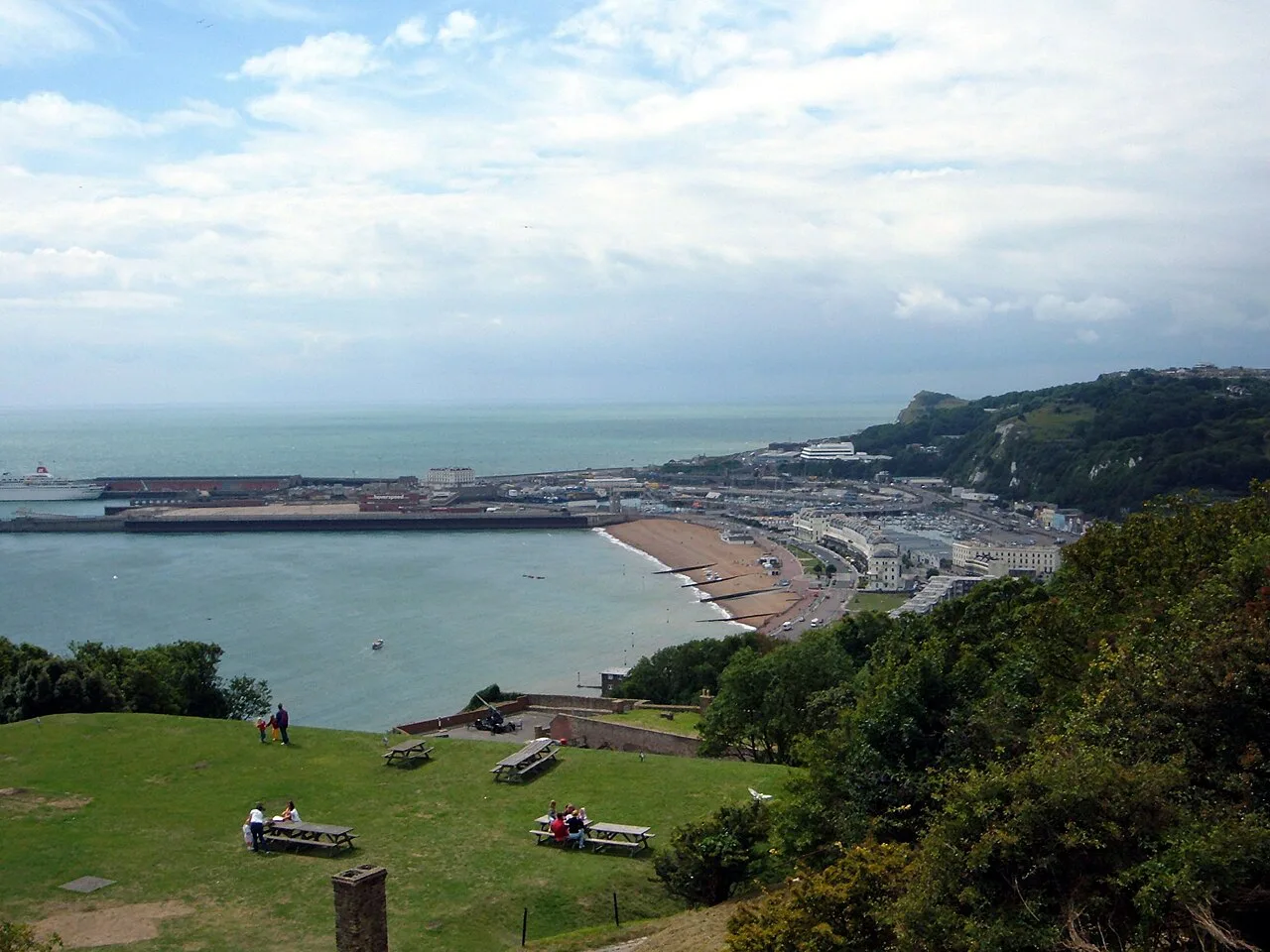
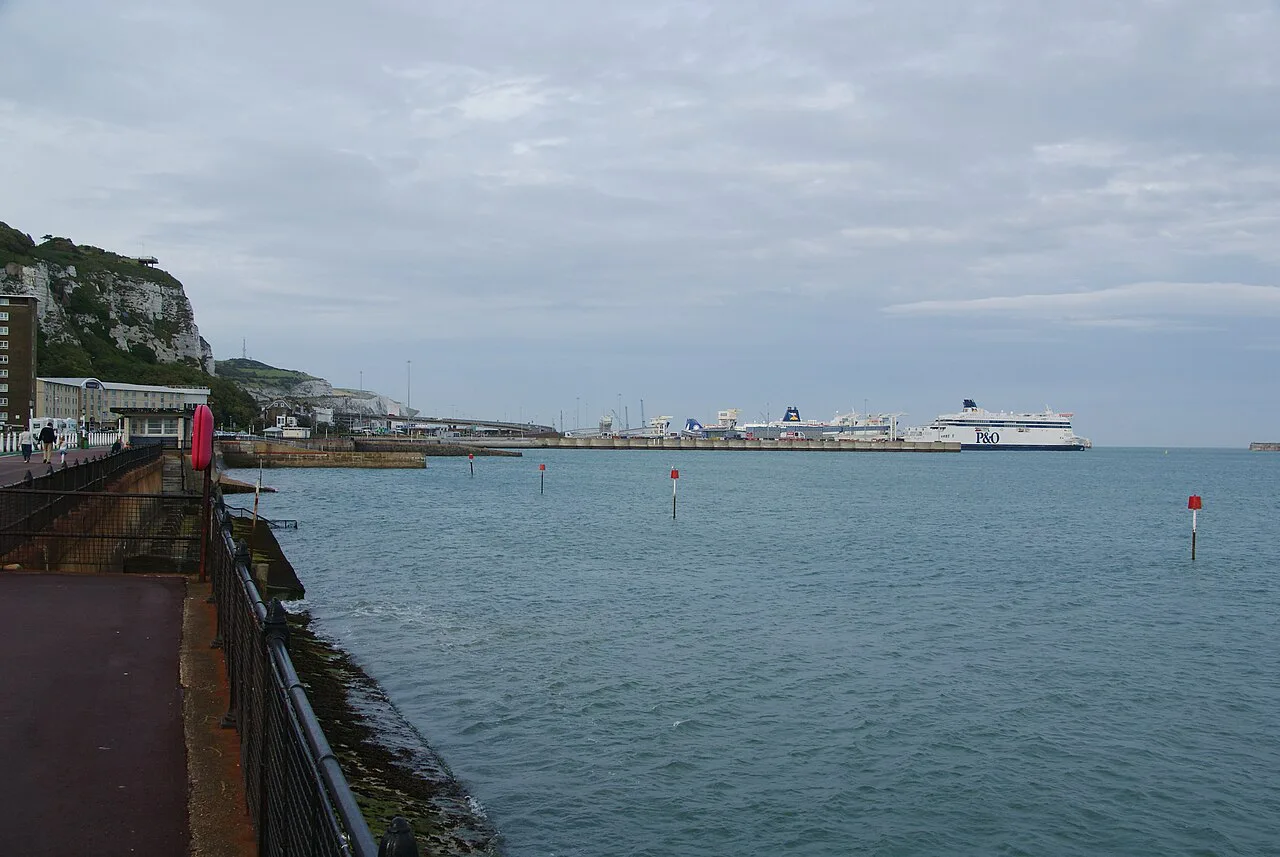
For coast and country, the White Cliffs of Dover and South Foreland Lighthouse are a short drive away and give you the English Channel views the town is known for. Deal Castle, another English Heritage site, lies further along the coast for those extending their stay. The Port of Dover and the harbour are close by if you want to watch the ferries come and go.
Plan Your Visit
Dover Transport Museum suits travellers who want a compact, hands-on collection with free parking and a model railway children can operate, and it fits neatly into a Dover day built around the castle or the cliffs. Sort the transport first: drive and follow the brown signs, or take the bus to Honeywood Road and walk the short route to Willingdon Road. Confirm admission and opening details on the museum's own website before setting out.
Explore more Dover guides
Frequently Asked Questions
Where is Dover Transport Museum?
It is on Willingdon Road in Whitfield, Kent, postcode CT16 2JX, roughly three miles outside Dover and close to the A2. The museum advises following brown tourism signs rather than relying on a sat-nav, because some devices route drivers along Old Park Hill, a no-through road.
How do I reach Dover Transport Museum by bus?
Buses run from Dover town centre and stop at Honeywood Road. From there, walk towards the superstore, turn right into Menzies Road and left into Willingdon Road, where the museum is on the left. Check current bus times before you travel, as timetables change.
Is there parking at Dover Transport Museum?
Yes. The site has free car parking within approximately two acres of grounds, which makes it straightforward to combine with other stops outside Dover town centre. Follow the brown tourism signs off the A2 at Whitfield rather than trusting a sat-nav route via Old Park Hill.
What can you see at Dover Transport Museum?
The museum holds over 50 vintage motor vehicles alongside other transport and model collections in large exhibition halls. Inside, recreated old Dover street scenes show how the town once looked, and the model railway has eight tracks that visitors can control themselves.
How long does a visit to Dover Transport Museum take?
Allow about an hour and a half to two hours to cover the vehicle halls, the street scenes and a turn on the model railway. Enthusiasts often linger longer, while families with small children may finish sooner, so treat it as part of a Dover day rather than a full-day outing.
Where can I check tickets and opening hours for Dover Transport Museum?
The museum publishes admission details, opening arrangements and disabled access notes on its own website. Because it is volunteer-run, days and hours can differ from a large paid attraction, so confirm the date you plan to visit and any access requirements before setting out.