

Grand Shaft, Dover: the triple helix staircase in the White Cliffs

The Grand Shaft is a staircase built into the White Cliffs of Dover, designed so that three separate spirals wind around a single central well. It dates from Napoleonic times and is described as an impressive piece of engineering more than 200 years old, which is the reason to seek it out rather than any museum display.
What the Grand Shaft is
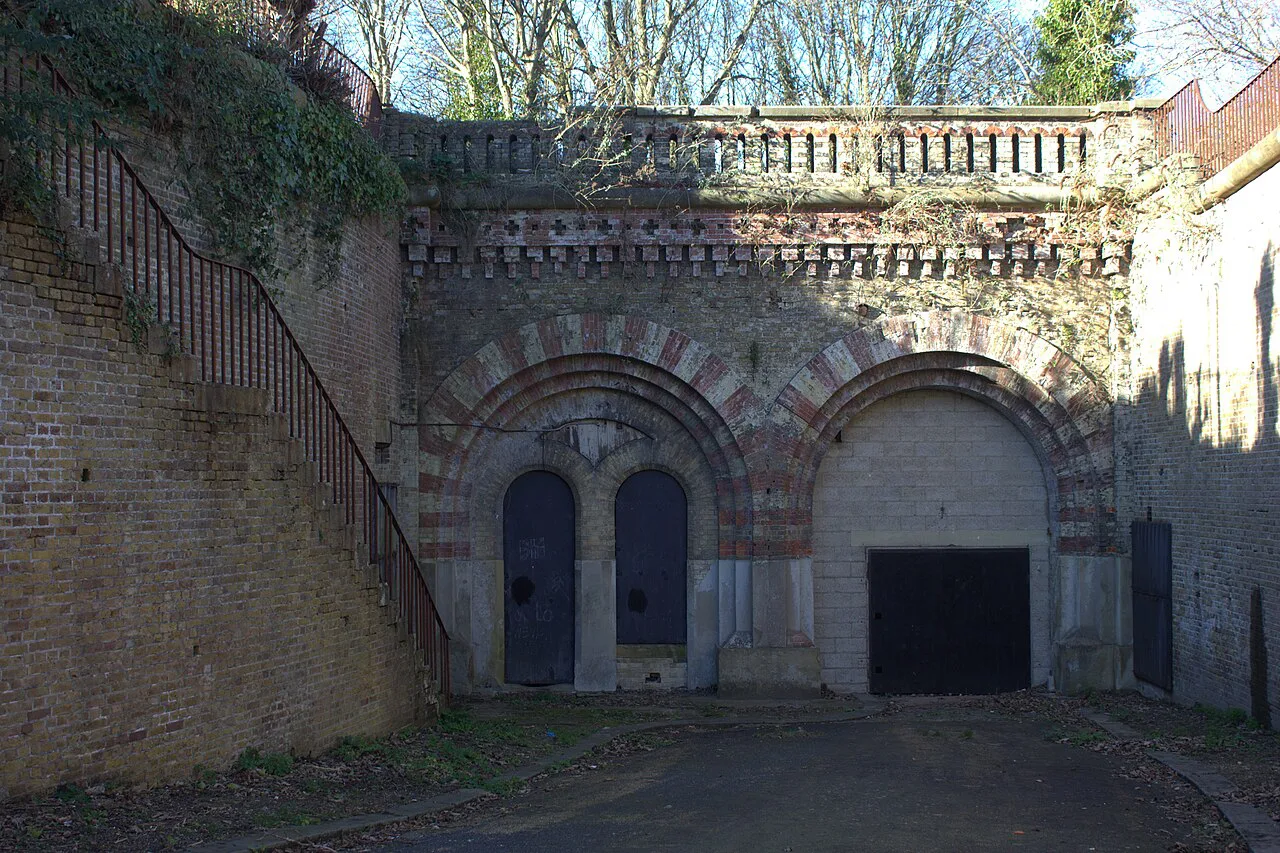
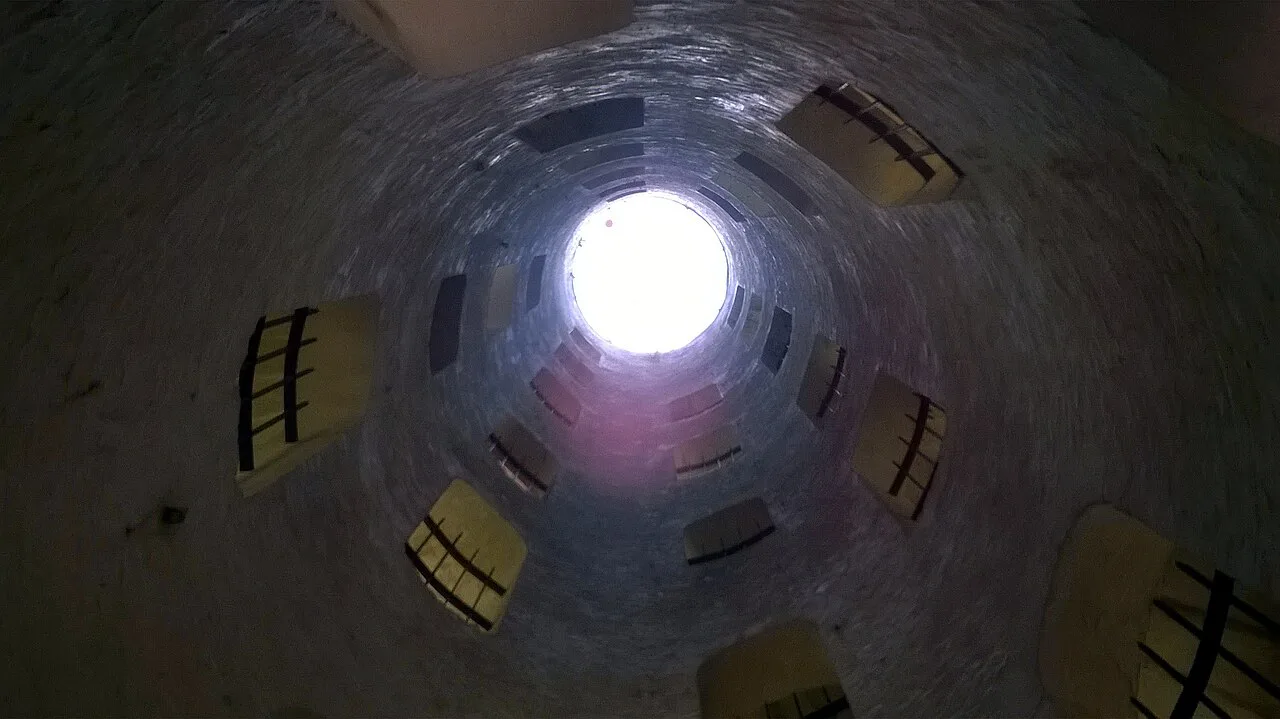
The structure is a triple helix staircase: three interlocking flights spiralling down inside one shaft, cut into the chalk of the Western Heights above Snargate Street. That arrangement, rather than the stair treads themselves, is what makes it worth a detour. Plans and photographs of the site show the main entrance at the bottom on Snargate Street and the top of the shaft pierced by windows where the staircase comes out at the cliff top.
Because it was carved into the cliff, the shaft sits on two levels of Dover at once: the town side at the bottom and the high ground of the Western Heights at the top. A visit therefore involves the staircase and the walk between those two ends, not just a single doorway.
Why it was built
The staircase belongs to the Napoleonic period, when the Western Heights above Dover were fortified against the threat of invasion across the English Channel. Its purpose was movement: getting troops quickly between the barracks and defences on the heights and the town and harbour below, without a long march round the cliff.
Three separate spirals meant three streams of people could climb or descend at the same time without meeting on the stairs, which is the practical logic behind the design. Treat the military story as context for the engineering rather than a set-piece exhibition, because the shaft itself is the attraction.
Where it is and how to get there
The bottom entrance is on Snargate Street, on the town side of the Western Heights and a short walk from the seafront and the centre. Dover Priory is the nearest station to the ferry terminals, just over a mile away, with high-speed services to London taking a little over an hour; from the station the seafront and Snargate Street are a walk uphill from the harbour. For the practical details, see the Dover guide.
If you are arriving by ferry, the Eastern Docks sit at the other end of town, so allow time to cross Dover rather than expecting the shaft on the doorstep. The walk from the station to the passenger terminal is about 25 minutes, which gives a rough sense of scale for the town before you add the climb to the Western Heights.
For a wider look at how the site fits with the castle, museums and cliffs, the Dover Attractions: 8 Visitor Guides collection sets out each place separately. If you are weighing up another cathedral city for a similar history-focused day out, see our guide to things to do in Canterbury.
The two entrances and what you see inside
At the bottom, the Snargate Street entrance is the one you meet first from town. At the top, the head of the shaft appears as a range of windows in the cliff-top structure, where the staircase emerges onto the Western Heights. Seeing both ends is part of understanding the design.
Inside, expect a stairwell rather than galleries: the brick and stone work of the spiral, the central well and the light from the top. Descriptions of the site dwell on the engineering, so go for the structure itself; there is no collection to read through.

Access and the climb
This is a staircase in a chalk cliff, so the honest advice is to expect steps, a spiral route and a climb between the town level and the heights. Anyone with limited mobility, young children or a pushchair should weigh that up before setting out, and the same applies to anyone uneasy in enclosed spaces.
Footwear matters more than usual on the Western Heights: paths on the high ground are exposed and can be slippery after rain. If the stairs themselves are closed on the day you visit, the exterior and the walk between the two entrances still explain the site.
Open days and tours
Access to the interior is through organised open days rather than a standing daily attraction. One is listed for 18 October 2026, running from 10:30am to 4pm, which is a single dated event and not a weekly pattern.
Check the White Cliffs Country what's-on listings and Dover's visitor information before you travel, since dates, hours and any booking arrangements are set by the organisers each time. The White Cliffs Country Visitor Information Centre is in Dover Museum on Market Square if you want to ask in person.
How long to allow
Treat the staircase itself as a short stop and give the rest of your time to the walk between Snargate Street and the top of the shaft. Half a day covers the climb, the Western Heights paths and a look back over the town and harbour.
Combining the shaft with Dover Castle works well because both sit on the high ground above the port, though the castle deserves its own half day or more. Keep them as separate visits rather than trying to rush both in one morning.

Nearby: castle, cliffs and museums
Dover Castle occupies the clifftop above the port and covers roughly 2,000 years of history, from its Roman lighthouse to the medieval Great Tower and the wartime tunnels, so pair it with the Grand Shaft only if you have a full day. The White Cliffs themselves run east towards St Margaret's Bay and South Foreland Lighthouse.
In town, Dover Museum holds the Bronze Age Boat, the world's oldest known sea-going vessel, and the Roman Painted House preserves a Roman villa with murals and underfloor heating discovered in 1970. Both make good wet-weather alternatives if the cliff path is miserable.
For the full spread of options across the town, from the marina to the museums, see things to do in Dover.
Practical points for the day
Weather governs this visit: the cliff-top paths are open to wind and rain, and the walk between the two ends of the shaft is outdoors. Bring a waterproof and sturdy shoes, and pick a clear day so the climb earns you the view over the harbour and the ferries.
Dover's seafront and Marina Curve are the easiest places to eat and drink afterwards, and on summer Sundays the Marina Curve hosts live music. Plan the shaft for the middle of the day and leave the evening for the front.
Plan Your Visit
The Grand Shaft rewards travellers who like engineering and military history in one place: a Napoleonic triple helix cut through the chalk, still legible from Snargate Street to the cliff top. Go for the design and the walk, not for displays.
Before you set out, confirm the next open day through the White Cliffs Country listings or Dover's visitor information centre. Then build the rest of the day around the Western Heights and the castle.
Explore more Dover guides
Frequently Asked Questions
What is the Grand Shaft in Dover?
It is a triple helix staircase built into the White Cliffs above Snargate Street during Napoleonic times. Three spirals wind around a single central well, and photographs of the site show the bottom entrance on Snargate Street and the top of the shaft with windows in the cliff-top structure.
Why was the Grand Shaft built?
To move troops quickly between the Western Heights defences and the town and harbour below. Three separate spirals allowed three streams of people to climb or descend at once without meeting on the stairs.
Is the Grand Shaft open all year?
Access to the interior runs through organised open days rather than a daily opening. One is listed for 18 October 2026, 10:30am to 4pm, but dates and hours are set by the organisers each time, so check the current what's-on listings in Dover before you travel.
Where is the entrance?
The main entrance is at the bottom on Snargate Street, on the town side of the Western Heights. The other end emerges at the top of the shaft in the cliff-top structure, where the staircase is lit by a range of windows.
How many steps are in the Grand Shaft?
The staircase is described as an impressive piece of engineering more than 200 years old, but specific step counts are not given, so plan for a climb without relying on a number.
Can you walk to the Grand Shaft from Dover Priory station?
Yes. Dover Priory is about a mile from the ferry terminals and roughly a walk uphill to the seafront and Snargate Street, with fast trains to London taking a little over an hour.
What should I wear?
Sturdy shoes and a waterproof. The staircase is a climb through a chalk cliff, and the paths on the Western Heights between the two entrances are open to the weather.
What else is nearby?
Dover Castle on the clifftop above the port, the White Cliffs walk towards St Margaret's Bay, Dover Museum with its Bronze Age Boat and the Roman Painted House in town.