Medieval Chester: Walls, Rows and Streets to Walk
Plan a medieval Chester walk: the Roman and medieval walls, the two-tiered Rows, God's Providence House, Chester Cathedral and the castle's Agricola Tower.
On this page
Medieval Chester is compact enough to walk in an afternoon, because the walls, the Rows, the cathedral and the castle all sit within a few hundred yards of each other. Start at the Eastgate Clock, follow the circuit of city walls, then drop into the streets to see the two-level Rows and the timber-framed houses. The Roman fortress of Deva Victrix lies beneath everything, so one route covers two thousand years of building.
Chester's city walls: a circuit of Roman and medieval stone
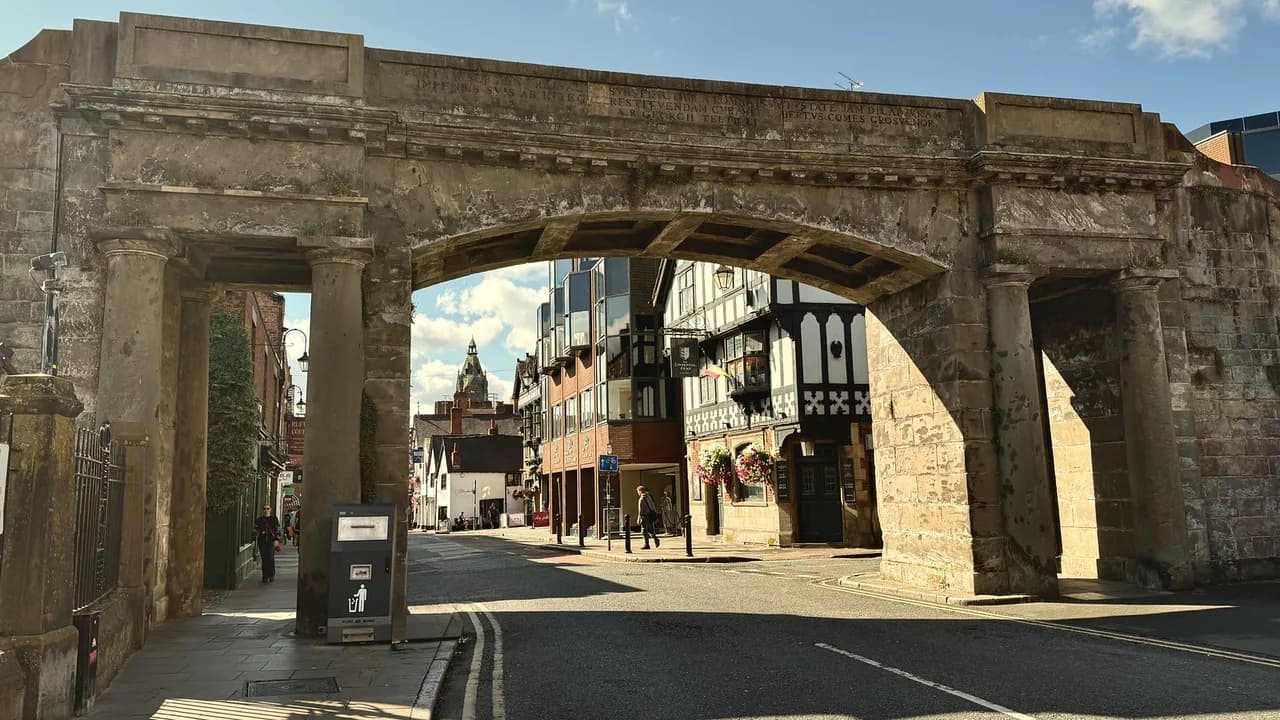
Chester's walls are among the most complete circuits of Roman and medieval walls in Britain, second only to York's. The line follows the Roman fortress boundary and was rebuilt and extended through the medieval period. You can walk the full circuit without paying, and it gives the clearest sense of how small the old city really is.
The medieval history of Chester runs from a Saxon burh through a Norman earldom with near-royal powers to a rich Irish Sea port, and an eighteen-month siege that ended its medieval prosperity. That story explains why the walls, the castle and the Rows cluster so tightly together.
Walking the walls: what you see and how it works as a route
Treat the walls as a walkable route rather than a monument. You join at any of several points, follow the raised walkway past the Eastgate Clock, and drop off wherever a street or the cathedral pulls you in. The full circuit takes roughly an hour at an unhurried pace, but most visitors do a half or a third of it between sights.
The Eastgate Clock is the landmark to aim for: it sits over the main shopping street and marks the busiest stretch of the wall. From there the walkway runs towards the cathedral and the castle, so it works as a spine for the whole day. Steps and sloping sections mean comfortable shoes matter more than a map.
The Rows: two-tiered medieval shopping arcades
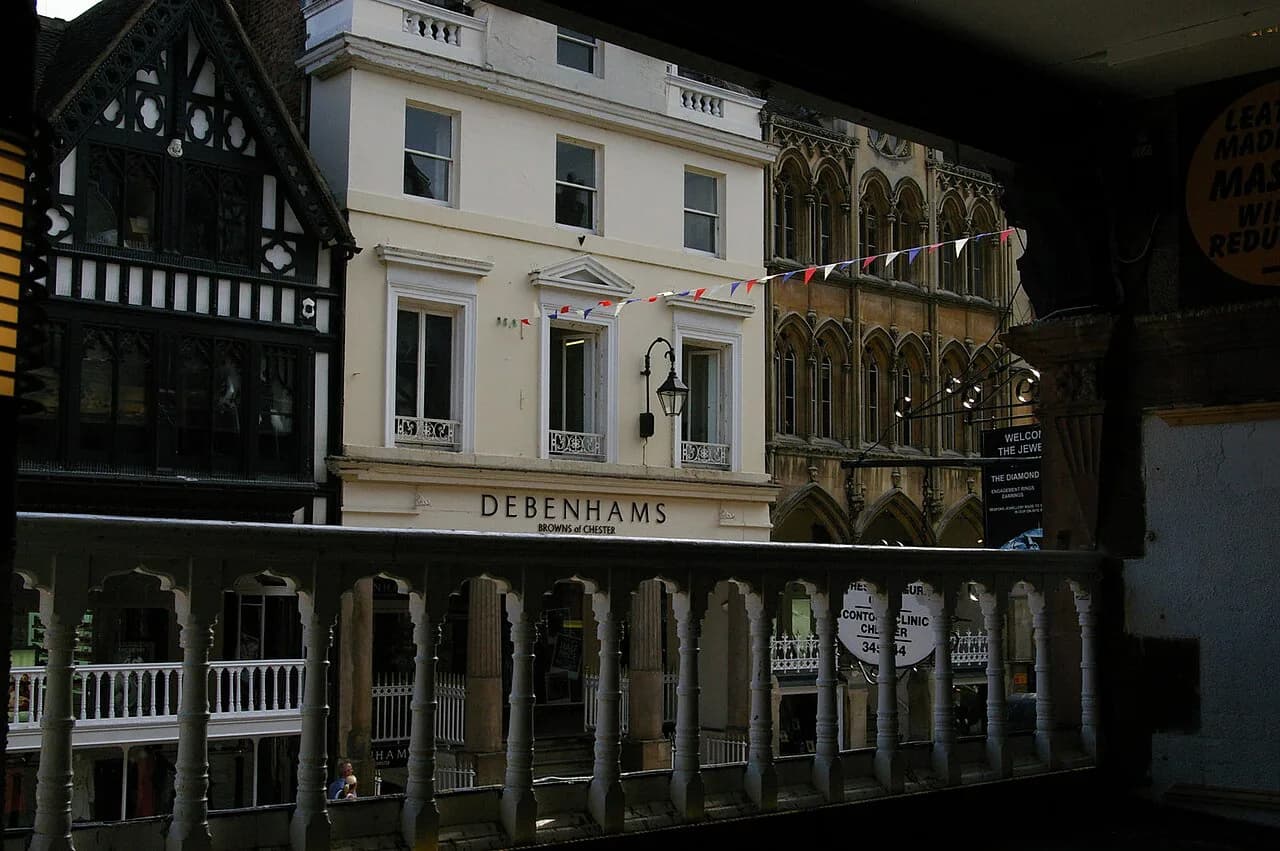
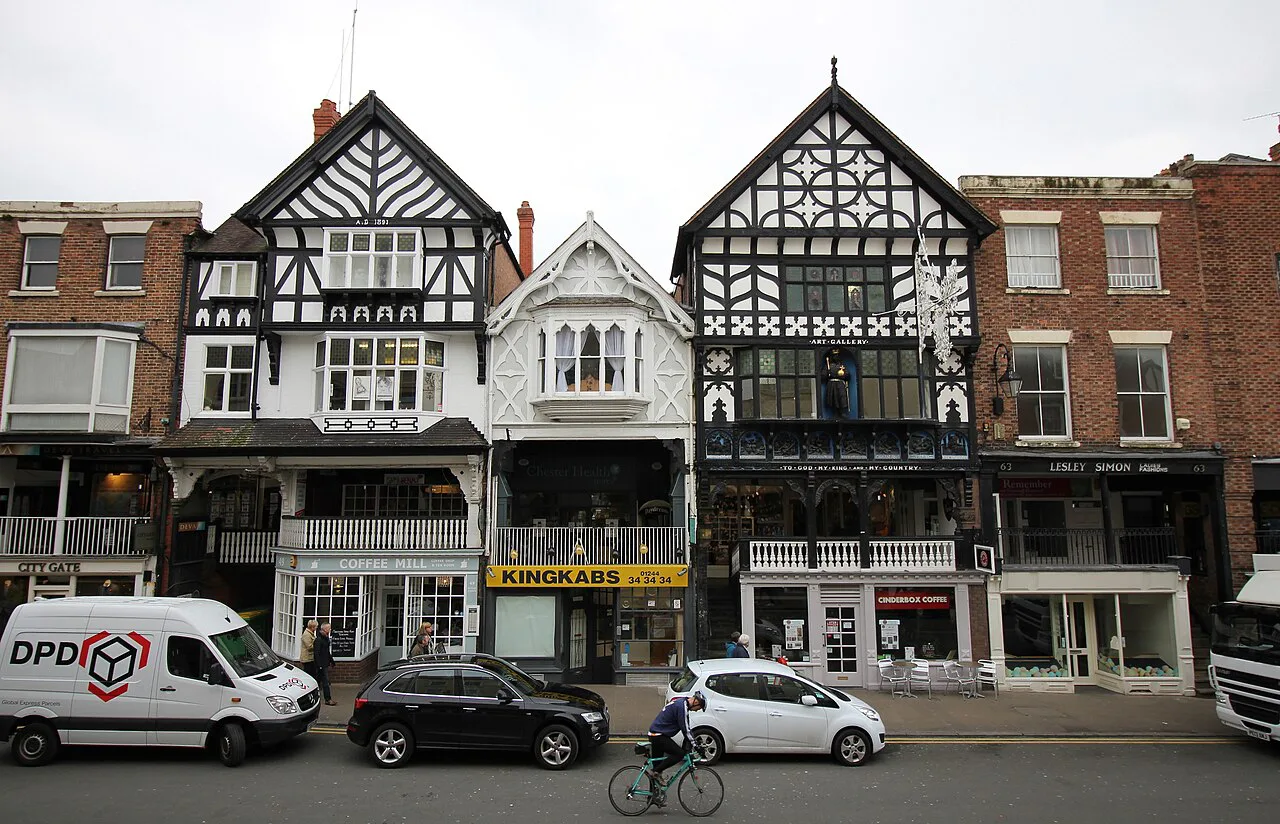
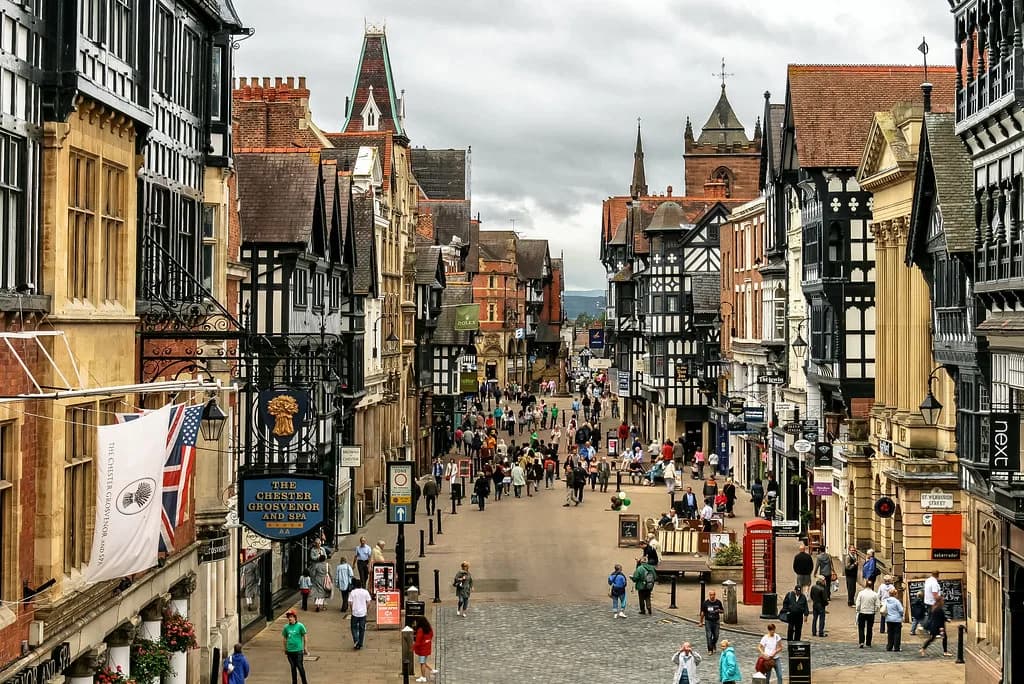
The Rows are Chester's defining medieval feature: covered walkways at first-floor level that run above the shops on the street below. Look up as you walk the main streets, because the second level is where the historic arcades, carved timber and independent shops sit. This is not a single building but a system of passages and staircases threading through the centre.
The Rows are a medieval structure, but they are still working shopping streets, so expect a mix of old fabric and modern shopfronts. The trade-off is stairs: the upper level is reached by steps and narrow passages, which is awkward with a pushchair or heavy luggage. Walk the lower street first, then climb to the Rows where a staircase appeals.
Timber-framed Chester: God's Providence House and hidden passages
God's Providence House is the timber-framed building to seek out on the Rows, a striking example of Chester's Tudor architecture. Around it, the Rows hide passages and staircases that connect the different levels, so the pleasure is in the detours rather than a single address. Give yourself half an hour to wander rather than marching street to street.
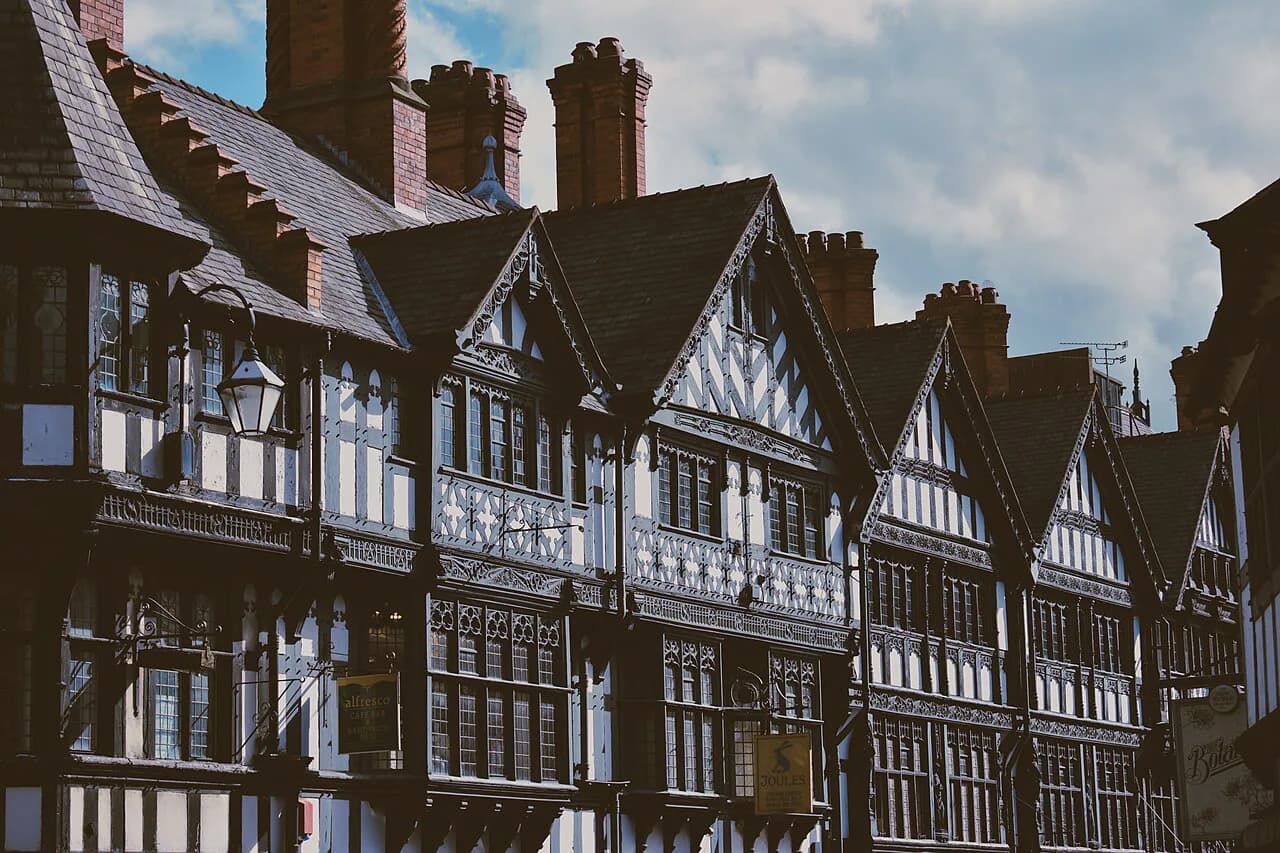
The black-and-white timber frames you see across the centre are the visual signature of medieval and early modern Chester. Some are original, some are later restorations, and the effect is best appreciated by looking up above the shop signs. This is also the stretch where the medieval and the modern sit closest together.
Chester Cathedral: a Gothic building with over a thousand years of change
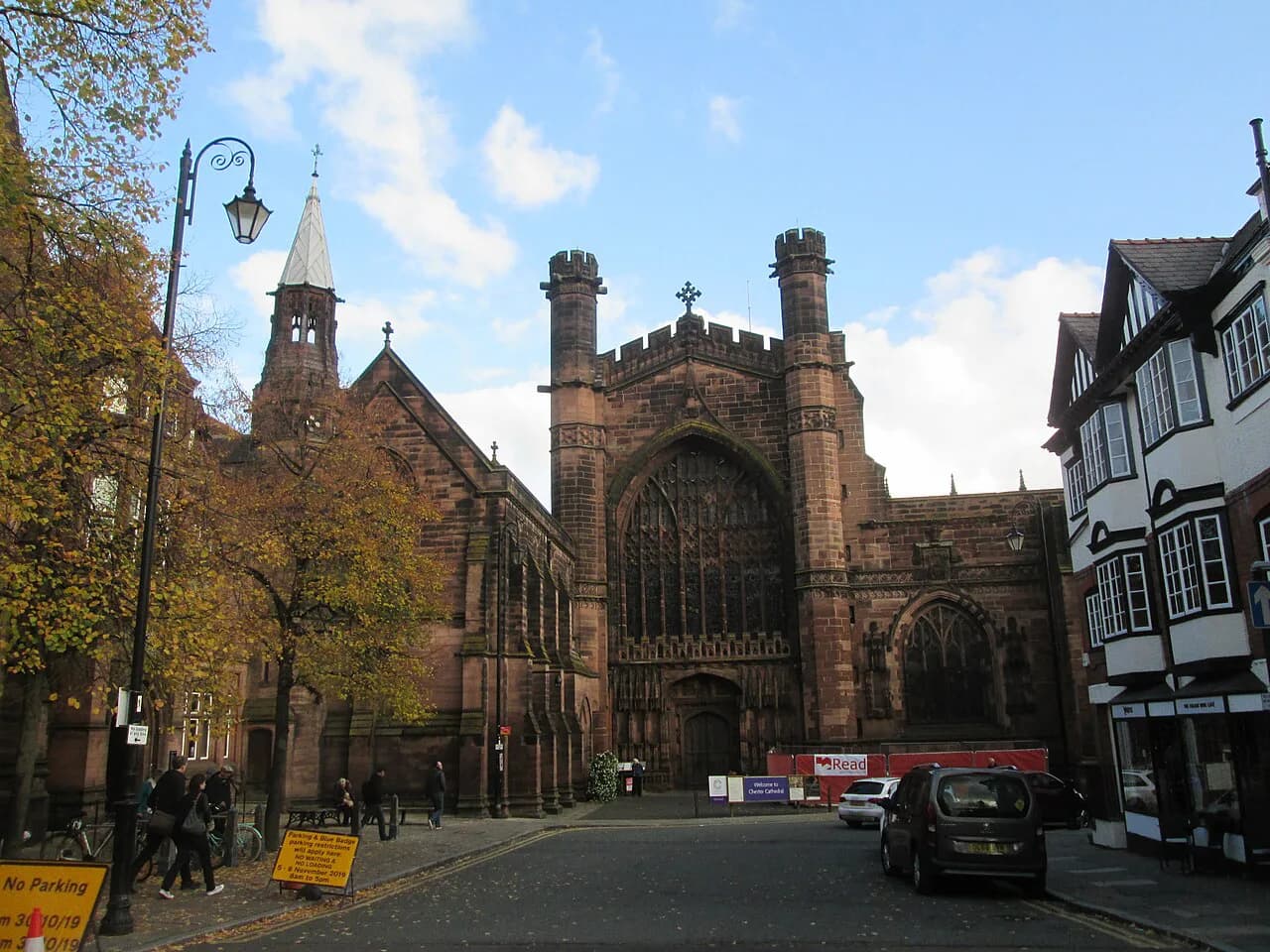
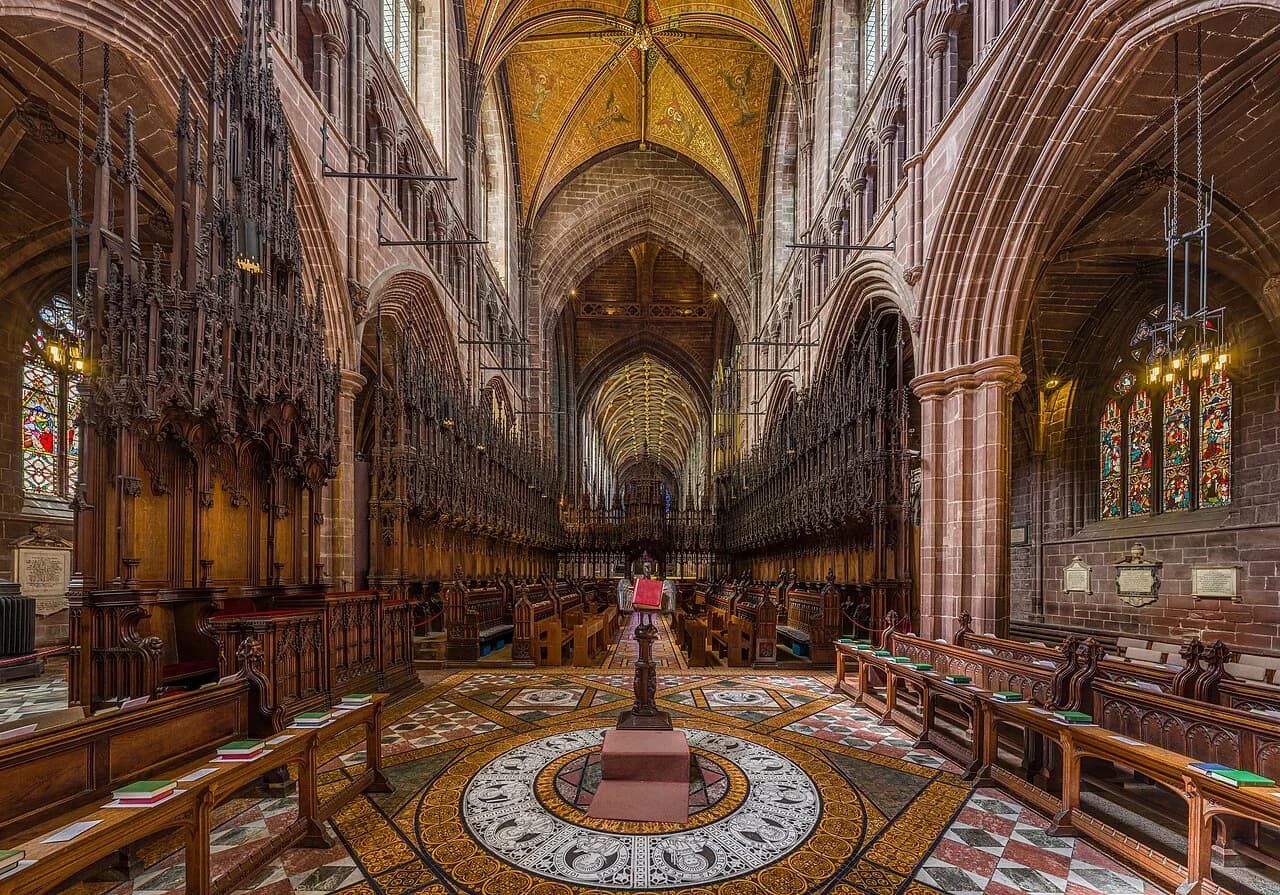
Chester Cathedral is a Gothic building with a history stretching back over a thousand years, added to and rebuilt across the centuries. The vaulted ceilings, columns and stone carving are the reason to go inside, and entry is free. Allow about an hour to see the main body of the building without rushing.
Services and concerts use the cathedral alongside visitor opening, so the nave can be partly closed at short notice. Treat choral events and temporary displays as things to check on the day rather than fixed sights. For the rest of the city's collections, the museums in Chester pick up where the cathedral leaves off.
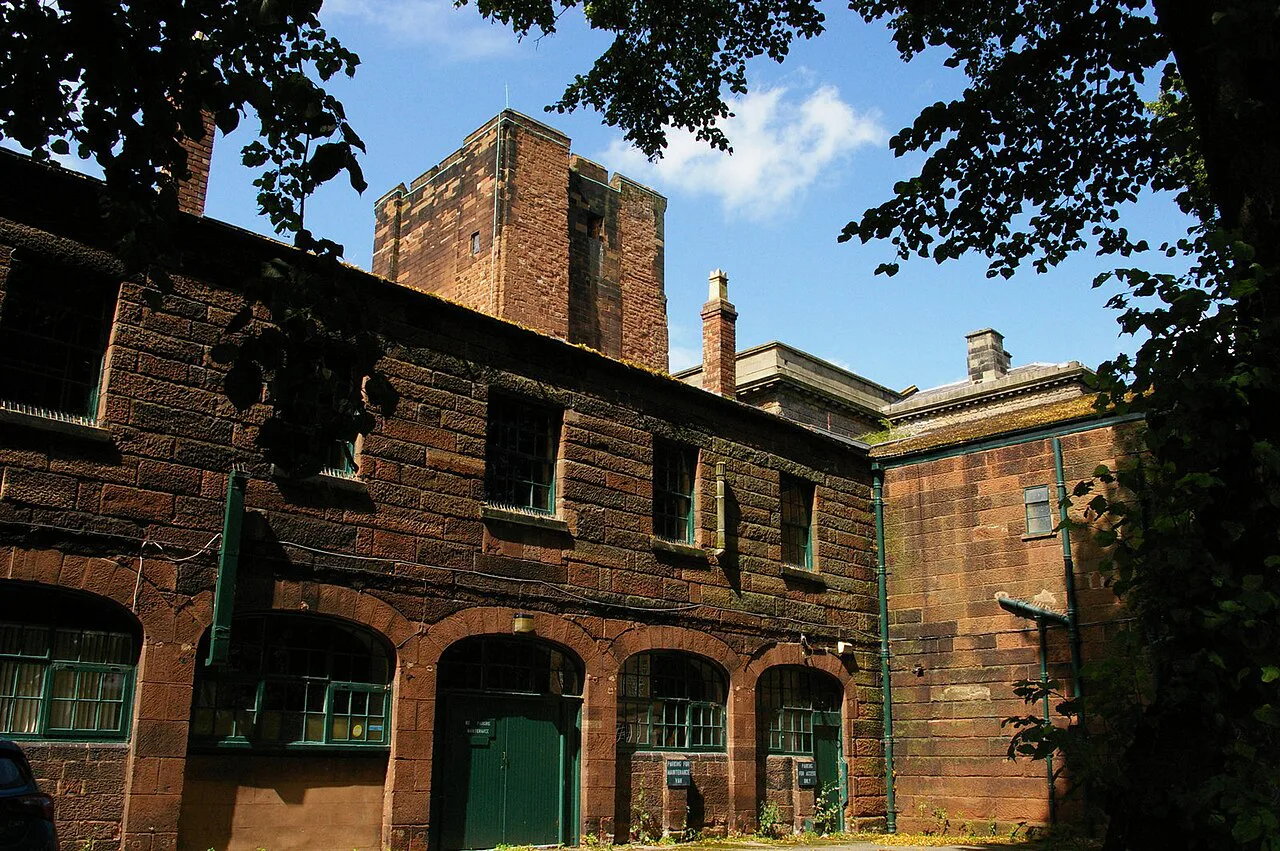
Chester Castle: Norman origins, the Agricola Tower and the Undercroft
Chester Castle began as a Norman stronghold and later served as a royal residence and a military base in the English Civil War. Much of the original structure has gone, but the Agricola Tower and the medieval Undercroft survive and give a glimpse of the castle's past. Separate the surviving medieval fabric from the later buildings on the site when you visit.
Access to the castle is limited, and the Agricola Tower and Undercroft are the parts worth asking about rather than assuming the whole site is open. Look up opening arrangements before making the castle the centrepiece of a day. If you want more castles, the castles near Chester widen the choice beyond the city.
The Roman layer underneath: amphitheatre and Roman Gardens
Beneath the medieval city lies Deva Victrix, the Roman fortress that shaped Chester's street plan. The Roman amphitheatre is the largest in Britain, and the Roman Gardens behind it hold reconstructed columns and remnants of Roman baths. Both sit close to the walls, so they fit naturally into the same walk.
The Grosvenor Museum holds the finds that make sense of the ruins, from carved tombstones to everyday Roman objects. Pair the amphitheatre with the museum and the Roman layer becomes legible rather than a set of stones. For a deeper route through the fortress, Roman Chester sets out the full picture.
Chester Cathedral and Grosvenor Park are free to enter, which makes them an easy addition to a walking day. If you are building a rainy-day list, free museums in Chester covers the options that cost nothing.
The River Dee and the Groves: the medieval port's waterway today
The River Dee made medieval Chester a wealthy port, and its course today still defines the southern edge of the centre. The Groves is the riverside promenade, lined with trees and benches, and it is the natural place to end a walking day. Boats run from the riverside, though operators and timings vary, so choose one when you are there.
Grosvenor Park sits alongside the river and gives a green pause between the walls and the water. Combine the Groves with the Roman Gardens and the amphitheatre for a loop back towards the centre. The river is also where the weather matters most: wind off the water makes a coat worthwhile even on a bright morning.
Getting there and getting around on foot
Chester is reached by train, car or bus, and the centre is small enough that everything in this walk is within walking distance once you arrive. Drivers should expect to pay for city-centre parking. From London, the train is the straightforward option, with the journey taking about two hours.
Once in the centre, walk rather than drive between sights: the walls, Rows, cathedral and castle are minutes apart. The main trade-off is stairs on the Rows and uneven surfaces on the wall walk, so plan a lower-level route if mobility is limited. Pack layers and an umbrella, because Chester's weather changes quickly.
How long to allow, and the trade-offs
A weekend covers Chester's main sights comfortably, and three to four days lets you go deeper into the history and the museums. For the medieval circuit alone, allow a full afternoon: an hour on the walls, an hour in the cathedral, and time for the Rows and the castle. Add the Roman amphitheatre and the Groves if the weather holds.
Spring and autumn bring fewer crowds, while summer fills the streets and the riverside. The Mystery Plays are a periodic tradition rather than a fixture, so check whether a production is running rather than planning around it. Book popular attractions such as Chester Zoo ahead in peak season, and keep the walking day flexible around rain.
Where medieval Chester fits with the rest of a city break
Chester pairs well with other historic cities: York offers a comparable wall circuit, and Nottingham has its own castle and cave history. If you enjoy the medieval layer here, medieval Nottingham makes a natural next stop. Use the Chester Attractions: 8 Visitor Guides hub to plan the rest of the day around this walk.
Plan Your Visit
Build the day around the walls: join near the Eastgate Clock, walk a stretch, then drop into the Rows and the cathedral, finishing at the castle or the river. Keep the Roman amphitheatre and Grosvenor Museum as the second layer, and leave time for the Groves if the sun appears. Check current opening details for the cathedral and castle before you travel, since services and access change.
Explore more Chester guides
Frequently Asked Questions
Is Chester a town or a city?
Chester is a city, with a cathedral and a long history as a Roman fortress and medieval port. Its compact centre makes it easy to cover the main sights on foot.
What is left of medieval Chester?
The city walls, the two-tiered Rows, God's Providence House, Chester Cathedral and the Agricola Tower and Undercroft at the castle are the main survivals. The street plan still reflects the Roman fortress beneath.
How long does it take to walk Chester's walls?
The full circuit takes roughly an hour at an unhurried pace. Most visitors walk a section between sights rather than the whole loop.
Are Chester's Rows medieval?
Yes, the Rows are a medieval feature: covered walkways at first-floor level above the street. They remain working shopping streets today, with stairs and passages connecting the levels.
Is Chester Cathedral free to visit?
The cathedral describes itself as free to enter. Services and events can affect access, so check the day's arrangements before you go.
Can you visit Chester Castle?
Access is limited, and the Agricola Tower and medieval Undercroft are the surviving parts to ask about. Check opening arrangements before planning a visit around it.
What is Chester famous for?
Chester is known for its Roman walls, the medieval Rows, the cathedral and its black-and-white timber-framed buildings. Chester Zoo is also a major attraction.
Sources
Notes for your next city break
Optional updates to our UK city guides.
You might also like

Continue reading
More guides you'll find useful