
Whitby Museum: A Visitor's Guide to Pannett Park

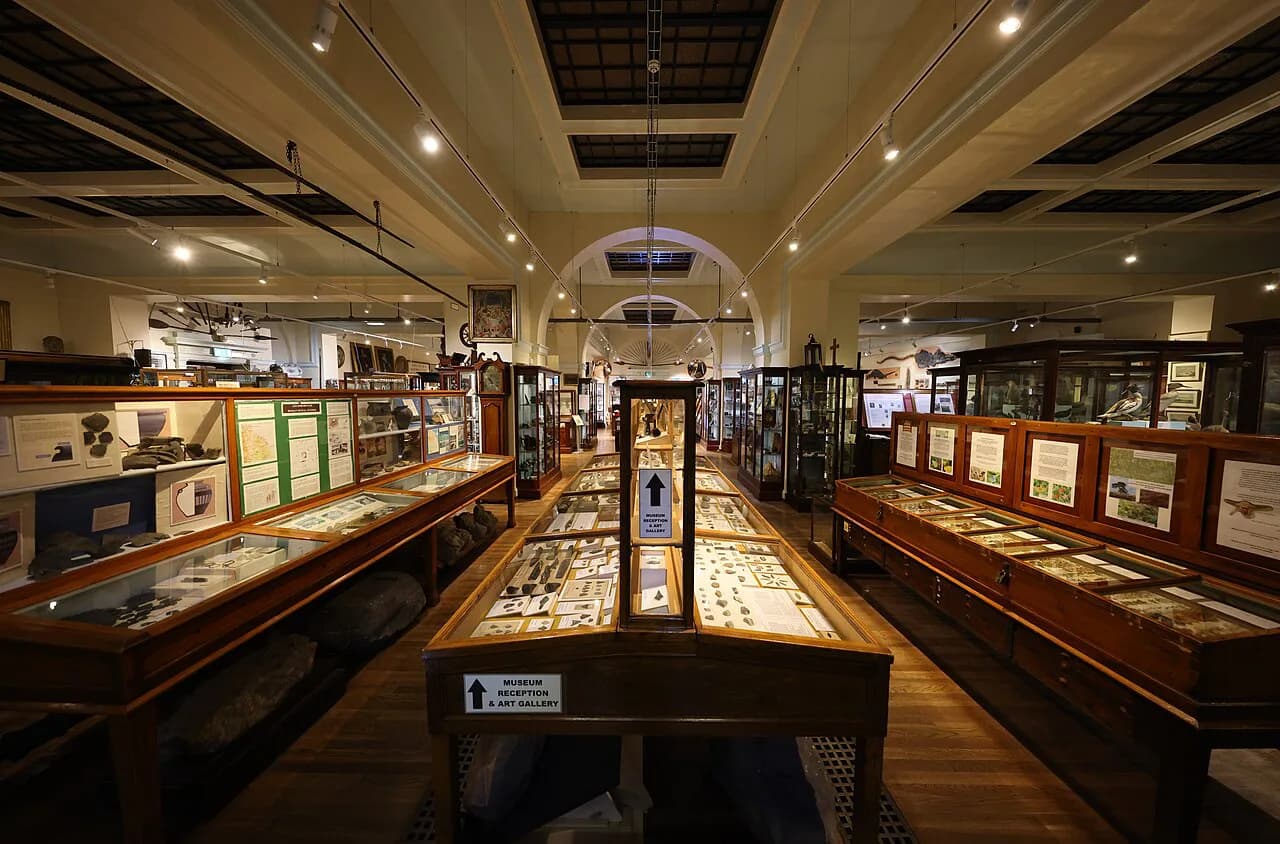
Whitby Museum is a Victorian museum in Pannett Park, a short uphill walk from the centre of Whitby, and it rewards an hour or two with a genuinely unusual collection rather than blockbuster displays. The museum, library and archive are run by the Whitby Literary & Philosophical Society and hold archaeology, social history, ceramics, Captain James Cook material, fossils, paintings, photographs, militaria and toys.
Where Whitby Museum is and how to reach it
The museum sits inside Pannett Park, close to the centre of Whitby, with the harbour and West Cliff below it. Coming from the railway station or the harbour, the walk is uphill for the last stretch, so allow extra minutes if anyone in your group is slow on slopes.
If you are approaching from the East Cliff side, you will cross the town centre first; the swing bridge over the River Esk is the obvious crossing point between the two halves of Whitby. Once across, head up towards Pannett Park rather than towards the Abbey headland.
A Victorian museum run by the town's own society
Whitby Museum is not a national museum with a state-funded collection; it belongs to the Whitby Literary & Philosophical Society, which also runs its library and archives. That origin shows in the character of the place: dense cases, handwritten labels in spirit, and a collection built from local donations, naturalists and sailors rather than a single curated narrative.
Expect an old-fashioned, slightly eccentric Victorian museum rather than interactive screens, which is precisely why some visitors rate it and others find it dry.
What to see inside
The collections cover local fossils, natural history, model ships, carved jet, toys and costumes, alongside ceramics, paintings and photographs. The breadth means you can move from geology to social history in a few steps, so pick two or three areas that interest you rather than trying to read every case.
Carved jet is a sensible place to start if you plan to shop for Whitby jet jewellery in the old town later, because the museum shows worked pieces in context. Model ships and the maritime material explain how the harbour trade and seafaring shaped the town.
Captain Cook and local social history
Whitby Museum holds material relating to Captain James Cook, who learned his seamanship at Whitby before his Pacific voyages. It is a useful complement to the Captain Cook Memorial Museum, which occupies the house where Cook lodged as an apprentice; the museum here sets Cook within the wider story of the town rather than focusing on the man alone.
The social history, toys, costumes and militaria give a sense of ordinary Whitby life across two centuries, which balances the grander Abbey and harbour sights. If your interests lean towards maritime exploration, do the memorial museum first and this one second.


Tickets and what entry costs
Whitby Museum charges for entry, and a reviewer recorded admission at nine pounds in an earlier year. Treat that as a historical figure rather than today's price and confirm the current adult, child and concession rates with the museum before you travel, since a family ticket may work out cheaper than paying individually.
The park around the museum is free to wander, so you can separate a paid indoor visit from a free stroll. Many national museums in the UK are free, but Whitby Museum is an independent society museum and is not one of them. The same independent-society model applies if you are weighing up the Keswick Museum in the Lake District.
Opening hours and seasonal variations
Opening days and seasonal hours vary, so check the museum's own website or telephone before making a special trip, particularly out of season or around public holidays.
How long to allow
Plan around ninety minutes to two hours for the museum if you read labels and linger over the fossils and model ships; forty-five minutes covers a brisk circuit. Because the collection is eclectic rather than chronological, there is no fixed route, so decide on arrival which cases matter most to you.
If the weather turns, the museum is a sound wet-weather option that keeps you indoors and off the exposed cliff tops. Combine it with a short walk in Pannett Park and you have a half-day that does not depend on the forecast.
Access and practical points
Pannett Park is hilly, and the approach to the museum involves slopes and steps in places, which matters for pushchairs, wheelchairs and anyone unsteady on their feet. Budget more time than the map suggests and consider a taxi up from the harbour if the climb is a problem.

What to pair with a museum visit
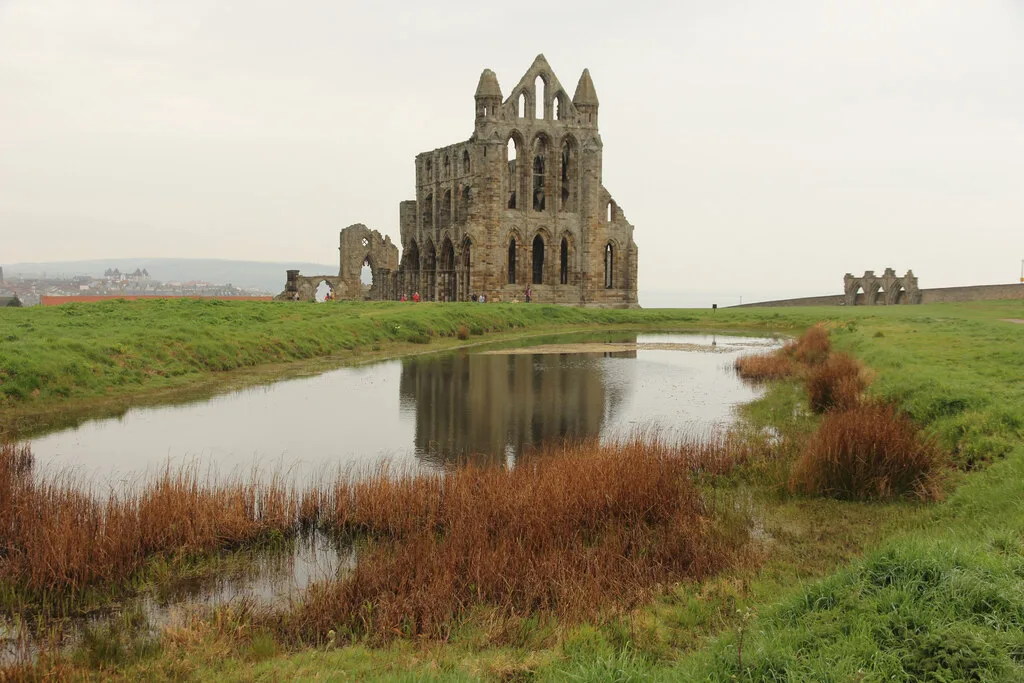
Pannett Art Gallery sits within the same park as the museum, so the two combine naturally in one outing. After the museum, walk down into the old town for the harbour and the swing bridge, or head east for the Abbey ruins and the churchyard.
For the classic East Cliff climb, the 199 Steps link the old town to St Mary's Church and the Abbey, and the view back over the harbour is the reason most people do it. Save that for a clear hour rather than the middle of a rainy museum day.
Is Whitby Museum worth it on a Whitby break
Prioritise Whitby Museum on a second visit, a wet day or if you have an interest in fossils, jet or maritime social history. First-timers with a single day should give the Abbey headland and harbour the best hours of the day and slot the museum in only if time allows.
Plan Your Visit
Whitby Museum gives you a Victorian cabinet of curiosities in a park above the town, with fossils, model ships, carved jet and Cook material under one roof. Go for the collections rather than spectacle, allow an hour or two, and confirm current prices and opening days directly with the museum before you set out.
Explore more Whitby guides
Frequently Asked Questions
Is Whitby Museum free?
No. Whitby Museum charges for entry, unlike the free national museums in larger UK cities. Check the museum's current adult, child and concession rates before you go, as these change.
What are Whitby Museum's opening times?
Opening days and seasonal hours vary, so confirm them with the museum before travelling, especially out of season or around public holidays.
How long does a visit to Whitby Museum take?
Allow about ninety minutes to two hours if you read the labels, or around forty-five minutes for a quick circuit of the main collections.
What can you see at Whitby Museum?
Fossils, natural history, model ships, carved jet, toys, costumes, ceramics, paintings, photographs, militaria and material relating to Captain James Cook and local social history.
Where is Whitby Museum?
It is in Pannett Park, a short uphill walk from Whitby town centre and the harbour, on the West side of the River Esk.
Is Whitby Museum suitable in wet weather?
Yes. It is an indoor attraction, which makes it a practical option when the cliff tops and beach are exposed to wind and rain.
Is Whitby Museum the same as the Captain Cook Memorial Museum?
No. Whitby Museum holds Cook material within its wider local collection, while the Captain Cook Memorial Museum occupies the house where Cook lodged as an apprentice.