
Captain Cook Memorial Museum: A Visitor Guide to Whitby's Cook House

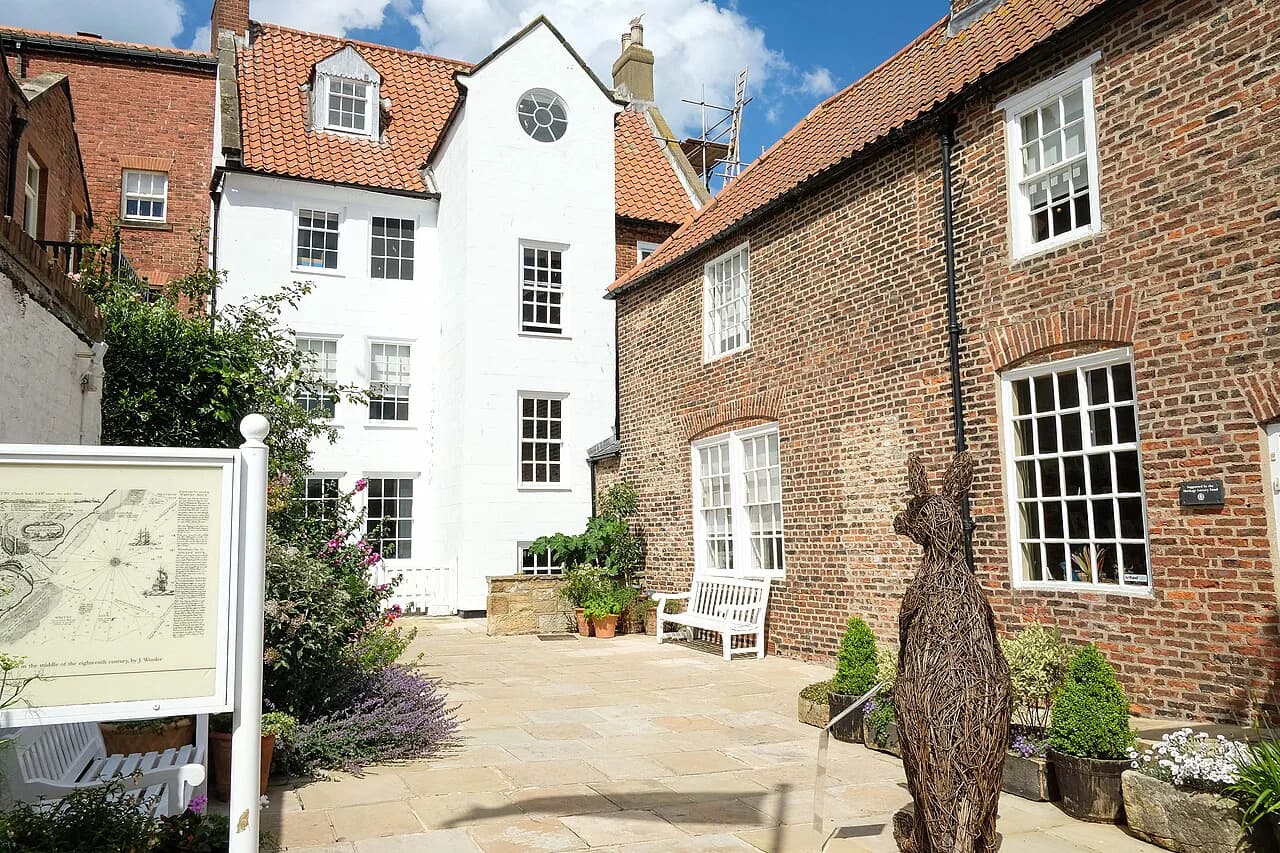
The Captain Cook Memorial Museum occupies the 17th-century house on Grape Lane in Whitby where James Cook lodged as an apprentice when he was not at sea. Its collections follow the ten years he spent exploring the Pacific, South Atlantic and Arctic, and the trade he learned on the town's waterfront before any of that began. It is a small, house-sized museum rather than a hangar of ships and screens, so it slots neatly into a half-day in the old town.
What the museum is
This is a history museum devoted to one seaman, built inside the building that shaped him. Walker's House belonged to Captain John Walker, the shipowner whose vessels carried coal along the coast and whose household took in the young Cook. The museum's own line is that it all began here: Cook learned his seaman's trade in Whitby, and the house where he lodged as an apprentice now holds the collections that tell that story and the voyages that followed.
Expect a compact, old-building experience rather than a modern interactive gallery. The rooms, staircases and floors are those of a 17th-century house, which is precisely the appeal: you are standing in domestic spaces of the kind Cook knew, in the streets he walked as a young man. Plan for narrow passages and uneven going underfoot rather than pushchair-friendly open floors.
Where it is and how to get there
The address is Grape Lane, Whitby YO22 4BA, in the old town on the west bank of the harbour. Grape Lane runs back from the waterfront among the narrow streets below the town centre, a short walk from the bridge and the quayside. Because those lanes are tight and partly paved, allow a little extra time to find the door rather than treating it as a doorstep stop.
On foot is the sensible way in. Coming from the railway station or the town centre, head for the harbour and then into the old-town lanes; if you are crossing from the east side, the Whitby Swing Bridge over the River Esk puts you within a few minutes of Grape Lane. Drivers should treat parking as the constraint and park in the town's car parks rather than attempting the old-town streets.
The house and its history
The building is known as Walker's House, and its owner Captain John Walker was the shipowner Cook served in the coastal coal trade. Lodging in the family's house was part of the apprenticeship arrangement, which is why the museum can make the claim that Cook's story genuinely started in these rooms. The interpretation links the quayside trade Cook learned here to the surveying and seamanship that later carried him across unknown oceans.
What to see inside
The collections cover two strands: Cook's apprenticeship in Whitby and his later voyages. Objects, documents and displays build the picture of a working port and of the ships and crews that left it, then follow Cook into the Pacific, South Atlantic and Arctic across a decade of exploration. Read the displays in order and the apprenticeship material gives the voyage material its context.
The museum also runs a changing exhibition alongside the permanent rooms. For 2026 it is billed as Imagined Geographies & First Encounters, which is the thing to check if you have visited before and want a reason to return. Because exhibition content rotates, check what is on during your dates on the museum's website before you go, as a previous year's display may no longer be in place.


Opening hours and seasonal pattern
Hours shift through the year, so match your visit to the season. The museum publishes daily opening from Saturday 7 February to Friday 27 March, 10.30am to 3.00pm, then daily 10.00am to 5.00pm from Saturday 28 March to Sunday 1 November. In November it opens on Tuesdays and Thursdays only, 11.00am to 3.00pm, and it closes from December until February half term.
Those dates matter most in the shoulder months, when Whitby's other draws are quiet but this museum may be on reduced days. If your trip falls in late November or the winter, build the itinerary around the museum's calendar or leave it out altogether. A single check of the museum's website before travelling settles the question.
Tickets and booking
Admission is ticketed, and the museum sells tickets and membership through its own website, which is where the current admission prices are set out. Book online ahead of a summer or half-term visit so you are not turned away by capacity in a small building. Supporters can join for £25 a year as published, though that is a membership rather than an entry price.
How long to allow
Budget around an hour for the house and its collections, and a little longer if the exhibition is new to you. This is a small museum in a domestic building, so it rewards careful reading rather than a quick lap, but it will not swallow an afternoon. Slot it into a morning before the harbour crowds build, or use it as shelter from a squally afternoon. If you want to compare it with the town's larger collection before committing your morning, see the museums in Whitby.
Contact and practical points
The museum publishes a telephone number, 01947 601900, and an email address, info@cookmuseumwhitby.co.uk, for enquiries. Use them for questions a website cannot answer, such as group arrangements or the state of the stairs on the day. Phone ahead if anyone in your party has mobility concerns, since the building's age shapes what is possible inside.

Nearby: what to pair with your visit
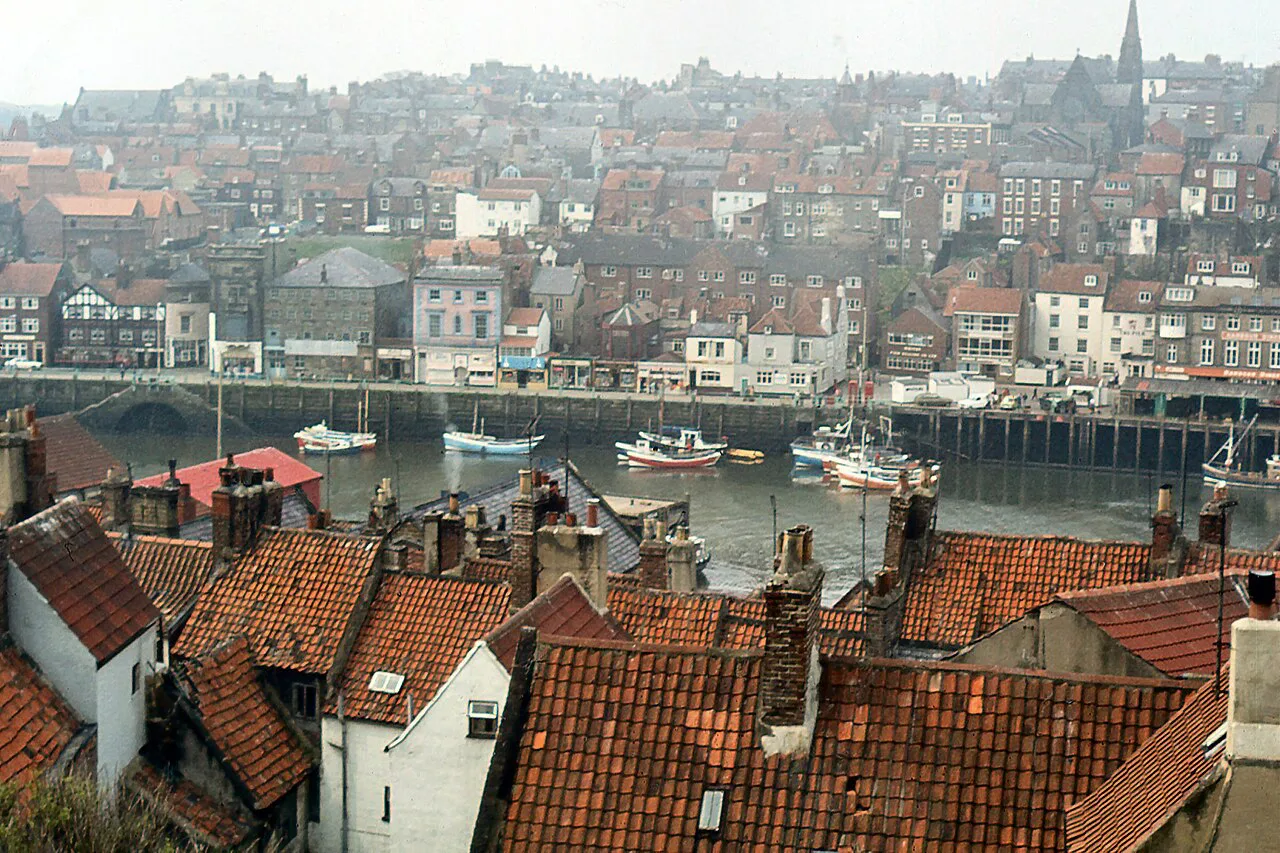
Whitby Museum, set in Pannett Park with the Pannett Art Gallery alongside, is the town's other substantial collection and a natural second stop if you like your history indoors. Allow a separate hour or two there rather than trying to squeeze both into one morning. For anyone weighing up which indoor collections justify the time, our guide to museums in Whitby compares the town's options side by side.
Across the harbour, the English Heritage-run Whitby Abbey ruins on East Cliff are the big outdoor counterpart to this museum, reached by the 199 Steps past St Mary's Church. Climbing the steps is free and the abbey ruins are ticketed by English Heritage. Pairing the two gives you Cook indoors and the monastic town outdoors in one day, and if you would rather stay indoors, our guide to museums in Whitby covers the town's other collections.
Who this museum suits
Maritime and exploration history fans will get the most from the house, because the apprenticeship material answers a question most Cook biographies skip: how a farm boy from the North Riding became a navigator. Families with young children may find the rooms and reading panels slower going than the harbour or the abbey, so weigh it as a short, focused stop rather than the day's main event. Broader alternatives are covered in our guide to museums in Whitby.
Plan Your Visit
Build the museum into a Whitby day rather than making it the whole trip: an hour on Grape Lane, then the harbour, the abbey or Whitby Museum depending on your appetite. If you are deciding between the town's indoor collections, our guide to museums in Whitby sets them out side by side. Check the museum's own site for the current seasonal hours and ticket prices before you set out, since both change through the year.
Frequently Asked Questions
Is the Captain Cook Museum free?
No. Admission is ticketed rather than free, and the museum sells tickets through its own website, where the current prices are listed. Check the booking page for the price that applies on your dates, and note that the supporter membership sold on the same site is a separate scheme rather than an entry ticket.
What has Captain Cook got to do with Whitby?
Cook learned his seaman's trade in Whitby, serving his apprenticeship with the shipowner Captain John Walker in the coastal coal trade. He lodged in Walker's House on Grape Lane when he was not at sea, and that 17th-century building now holds the museum telling the story of his apprenticeship and his later voyages across the Pacific, South Atlantic and Arctic.
How long does a visit to the Captain Cook Memorial Museum take?
Allow about an hour for the house and its permanent collections, plus a little more if the current exhibition is new to you. It is a compact museum in a domestic building, so it works well as a focused stop slotted into a wider day in the old town rather than a whole afternoon.
When is the museum open?
Opening follows a seasonal pattern rather than one set of hours all year. The museum publishes daily hours from early February to the start of November, Tuesday and Thursday openings only through November, and a winter closure from December until February half term. Confirm the dates for your trip on the museum's website, as the calendar shifts year to year.
Do I need to book tickets in advance?
Booking online is the safer choice for summer, school holidays and half term, when a small building fills quickly. The museum's own site handles both tickets and membership, so it is the place to reserve a slot and to see what the admission price covers. Outside peak periods you have more flexibility, but the seasonal calendar still governs whether the door is open.
What else is near the museum?
The museum sits in Whitby's old-town lanes a short walk from the harbour, so the quayside and swing bridge are immediate neighbours. Whitby Museum, with the Pannett Art Gallery in Pannett Park, makes a good indoor second stop, while the English Heritage-run Whitby Abbey ruins on East Cliff, reached by the 199 Steps past St Mary's Church, are the obvious outdoor counterpart.