
Whitby Abbey: A Visitor's Guide to the Ruins on the East Cliff

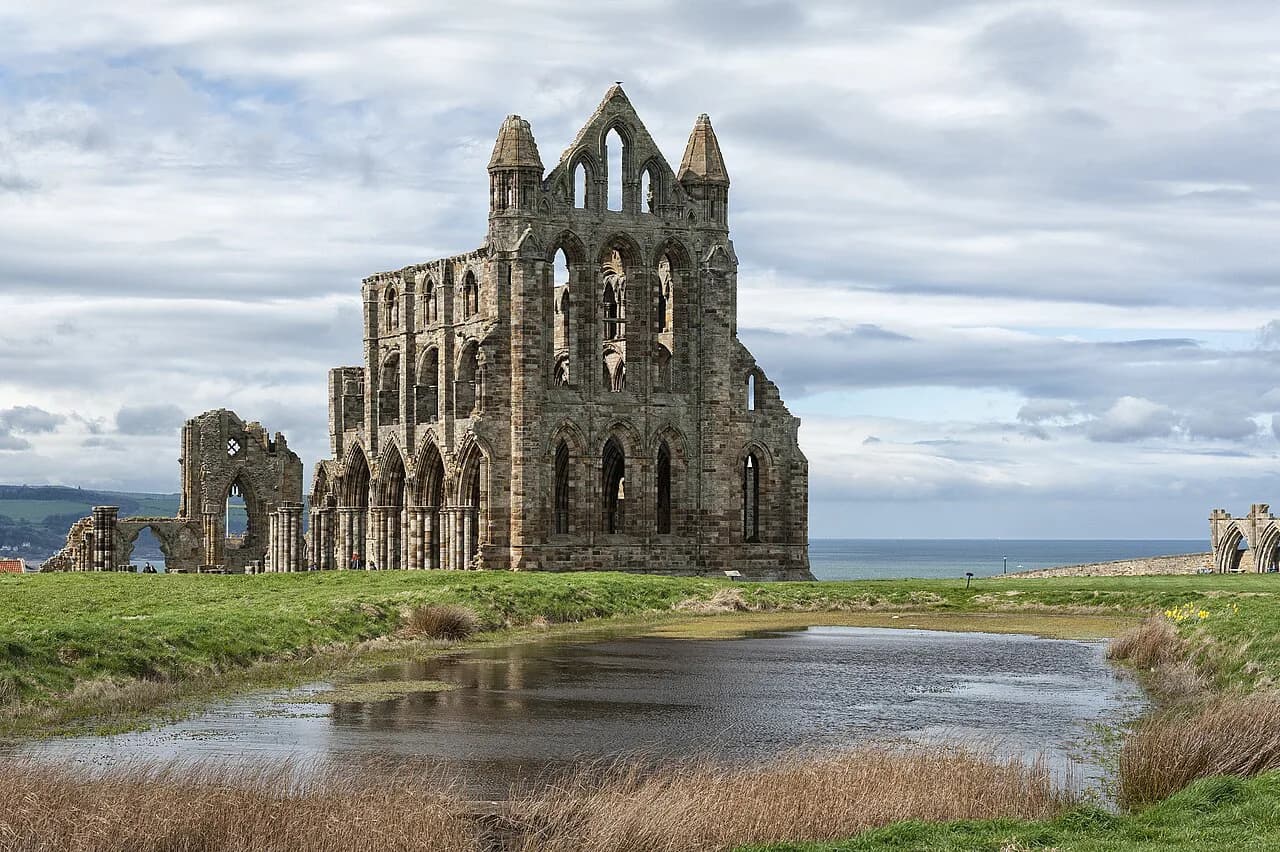
Whitby Abbey is the skeletal Gothic ruin that crowns the East Cliff above the harbour, the single structure most people picture when they think of Whitby. It is cared for by English Heritage, which also publishes the practical detail on entry, opening times and facilities. Give it a morning rather than an afternoon snatched between other stops: the abbey itself, the churchyard behind it and the headland views all sit within a few minutes of each other.
The town sits either side of the River Esk in North Yorkshire, and the abbey faces it from the cliff across the water, so the visit is as much about the approach as the walls themselves. The climb up the 199 Steps from Church Street on the East Side is the classic route; the cliff road is the alternative for anyone with a car, a pushchair or knees that have done enough.
Whitby Abbey in brief: what it is and where it sits
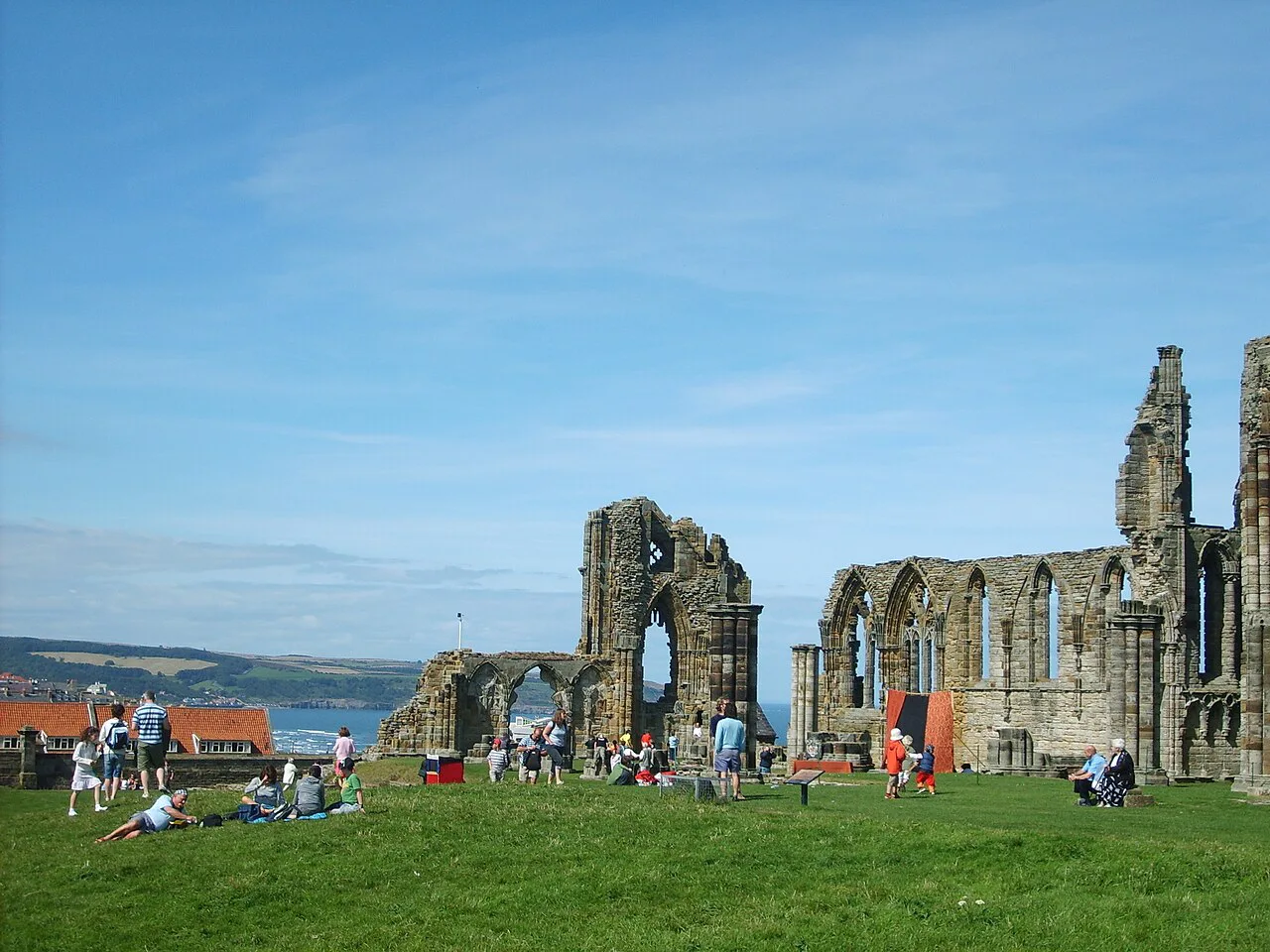
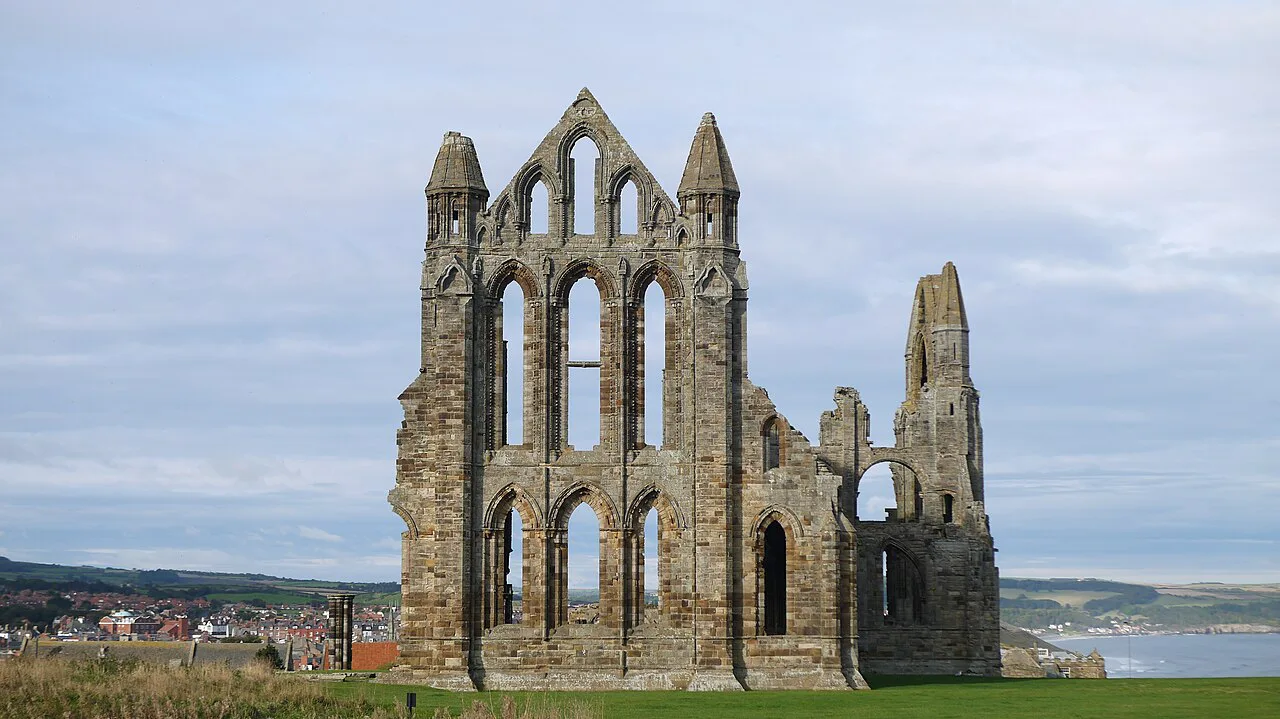
The abbey is a ruin rather than a roofed building, so a visit means walking among standing walls, window openings and fragments of masonry rather than touring furnished rooms. Its position on the East Cliff headland puts the harbour, the town's red roofs and the North Sea all in one view. Whichever side of the wall you are on, the ruins dominate the skyline above the town.
Because it stands on the headland rather than in the shopping streets, everything around it is reached on foot once you have made the climb: the church, the graveyard and the cliff-top paths. Plan the abbey as the centre of that headland cluster rather than as a separate outing. For the wider choice of sights around town, the Whitby Attractions: 8 Visitor Guides page maps out the rest of the cluster.
A short history: from the 657 monastery to the ruin you see today
The site began as a Christian monastery founded around 657, and the original house became a significant religious centre in the early English church. It was later rebuilt as a Benedictine abbey, and the remains a visitor walks around today are those of that later complex. The museum displays inside the visitor centre and the surviving walls both tell that long story.
The abbey was suppressed under Henry VIII in 1539, its valuable fittings stripped, and the buildings left to decay; later shelling damaged the west front further in the twentieth century. That is why there is no roof and no cloister walk to pace: what survives is the shell, and the ruin is the attraction.
What to see on the headland: walls, grounds and the view over the harbour
The east end and the tall traceried window openings are the most photographed part of the ruin, and the grassy grounds around them are open enough to walk slowly and look back at the town. English Heritage maintains acres of mown grass on the headland, which makes the setting as much a part of the visit as the stonework. A picnic on the cliff with the abbey behind you is a reasonable plan on a dry day.
The views are the other half of the ticket: the harbour and the West Cliff open up across the water, and on a clear day the coastline stretches north and south. Bring a layer even in summer, because the headland takes the wind that the town below shelters from. Photographers should aim for early morning or late afternoon when the light rakes across the stonework.
Tickets and opening: English Heritage entry and where to check
Whitby Abbey is an English Heritage site, and admission is charged; in 2022 entry was £11, which covered an audio tour, but treat that as history rather than a current fare. English Heritage sets the current price, the opening calendar and any booking arrangements, so check the official abbey pages before you travel. Members of English Heritage normally enter free, though the terms are worth confirming with the organisation.
You can see the ruins from outside the wall without paying, but the enclosure is what gets you among the walls and into the exhibition. Whether dogs are welcome, and where they are allowed, is set out in English Heritage's facilities information rather than assumed. Facilities on site, including parking and food and drink, are listed on the same official page.

Climbing the 199 Steps: the route from Church Street
The steps climb from Church Street on the East Side to the church and abbey above, and they are steep, twisting and uneven underfoot. Benches are set at intervals on the way up, originally placed for pallbearers carrying coffins to the church, and they still make sensible resting points. The full route, including what you pass on the way, is covered in the guide to the 199 Steps Whitby.
Wear shoes with grip, because the stone is worn smooth in the middle and slippery when wet, and take the climb at your own pace rather than in a convoy behind other visitors. Anyone who cannot manage stairs should skip them entirely and use the road route to the headland. Allow extra time on the way down too, when tired legs and gravity do the work.
Getting there without the steps: driving and parking on the East Cliff
The abbey sits on the East Cliff, and the road up from the town serves the headland, so drivers can reach the site without touching the steps. Parking arrangements and charges are set by the site operator and the local authority, so check the facilities information before setting out rather than relying on street parking near the church. Coaches and buses serve the town centre below, leaving a short uphill walk at the end.
Coming from the West Cliff means crossing the river, and the swing bridge in the town centre is the usual crossing point for pedestrians heading to Church Street. Traffic backs up on busy summer days, so walking across and taking the steps or the cliff road is often quicker than driving round.
How long to allow, and when to go to dodge the crowds
Allow around two hours for the abbey itself if you read the interpretation, listen to the audio tour and walk the grounds, then add the climb and the churchyard on top of that. A tight visit of forty-five minutes gets you the walls and the view but skips the context. Build the headland into a half-day rather than squeezing it between lunch and a boat trip.
Mornings are calmer on the steps and the headland, and the ruins look their best in low light; mid-afternoon in August brings the heaviest flow of visitors up Church Street. Whitby's goth weekends swell the town considerably, so check the town's event calendar if you want a quiet climb. Off-season visits mean fewer people but more chance of wind and rain on the exposed cliff.

Nearby: church, graveyard, Whalebone Arch and the museums
St Mary's Church sits at the top of the steps beside the abbey, and its crowded graveyard, with weathered headstones and skull-and-crossbone carvings, is as much a part of the headland visit as the ruin. The churchyard is free to walk through and takes perhaps twenty minutes.
Back down towards the West Cliff, the Whalebone Arch and the statue of Captain Cook mark the town's maritime history and give the classic view back across to the abbey. The Captain Cook Memorial Museum, housed in the building where Cook lodged as an apprentice, is a short walk from the harbour and pairs naturally with a morning on the headland.
Inland from the harbour, Whitby Museum and Pannett Art Gallery sit in Pannett Park and cover local archaeology, fossils, jet and Cook material, making them a sensible wet-weather substitute or addition. If the abbey has left you wanting more of the town's past, our round-up of the museums in Whitby picks up where the headland leaves off.
The Dracula connection, told as legend
Bram Stoker stayed in Whitby in the 1890s, and the town's abbey, steps and churchyard are woven into the novel Dracula, with the Count arriving at Whitby in the story as a black dog. The association is literary, not historical: the abbey was already a ruin long before Stoker wrote. Treat the gothic storytelling around the site as atmosphere rather than fact.
Ghost walks and Dracula-themed tours trade on that legend, and they are good fun if you like being told stories in the dark, but they are performances rather than evidence. If you want the real chronology, read the interpretation boards at the abbey and the displays inside the visitor centre instead.
Plan Your Visit
The shape of a good trip is simple: climb the steps or drive up, spend two hours among the walls and the exhibition, walk the churchyard, then drop back into town for the harbour and a late lunch. Book the abbey ticket online if you are visiting on a peak summer weekend, and keep the climb for the morning.
Check the English Heritage page for the current price, opening days and any closures before you set off, since those are the details that change. Everything else about the headland, from the steps to the view, is free and open to anyone who makes the climb.
Frequently Asked Questions
How many steps are there up to Whitby Abbey?
The climb from Church Street to the church and abbey above is known as the 199 Steps. They are steep, twisting and uneven underfoot, with benches at intervals where you can pause. If stairs are not manageable, the cliff road offers a route to the headland without them.
Are dogs allowed at Whitby Abbey?
English Heritage publishes a dogs policy in its facilities information for the abbey, so check that page before bringing a dog. It sets out where dogs are welcome and any restrictions on the site. The headland paths and the climb itself are outdoors, but the abbey enclosure has its own rules.
Do you have to pay to see Whitby Abbey?
Admission to the abbey enclosure is charged, and English Heritage sets the current price and any booking arrangements. You can see the ruins from outside the wall without paying, but the ticket is what gets you among the walls and into the exhibition. Check the official page for the current cost and what it covers.
Why was Whitby Abbey destroyed?
The abbey was suppressed under Henry VIII in 1539, when its valuable fittings were stripped and the buildings were left to decay. Later shelling damaged the west front further in the twentieth century. That combination is why the site survives as a roofless shell rather than a working monastery.
How long does it take to see Whitby Abbey?
Allow around two hours for the abbey itself if you read the interpretation, listen to the audio tour and walk the grounds. Add the climb up the steps and a walk through the churchyard on top of that. A tighter visit of forty-five minutes covers the walls and the view but skips the context.