Museums in Whitby: What to See, Tickets and Opening Hours
Plan museum time in Whitby with this practical guide to Whitby Museum and Pannett Art Gallery, covering what to see, opening days and how long to allow.
On this page
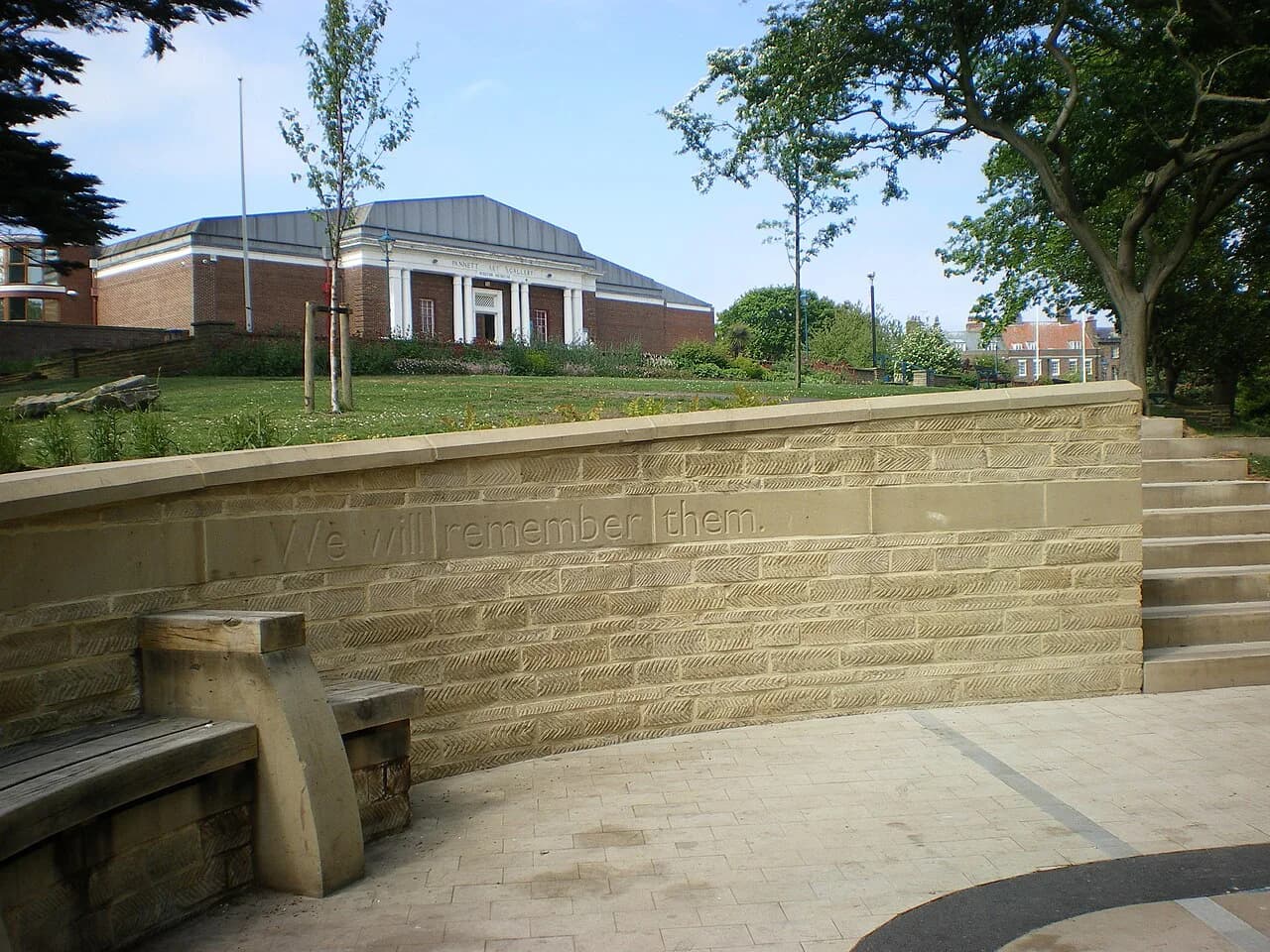
Whitby's two main museums sit a short walk apart in Pannett Park, so you can cover both in a single visit rather than criss-crossing town. Whitby Museum is an independent Victorian museum run by the Whitby Literary and Philosophical Society, while Pannett Art Gallery occupies a purpose-built gallery in the same park.
The practical trap is timing: the gallery closes on Mondays and stops admitting visitors half an hour before closing, and its exhibition programme changes through the year. Plan round those two facts and the rest of a museum afternoon in Whitby falls into place easily.
Whitby's museums in brief: two collections in Pannett Park
Both museums share the Pannett Park address, Whitby, North Yorkshire, YO21 1RE, which makes them a natural pair for one outing. Start with Whitby Museum, the larger and quirkier of the two, then cross the park to the art gallery.
Whitby Museum describes itself as an independent museum operated by the Whitby Literary and Philosophical Society for the last 200 years, and its collections span the Jurassic era to the present day. The gallery was a gift to the town from Alderman R.E. Pannett for the reception and preservation of his watercolour drawings and works of art.
Whitby Museum: a Victorian cabinet of curiosities
This is a proper old-fashioned museum in the best sense: cases packed with objects rather than screens, assembled over two centuries. Expect a dense, slightly eccentric mix, and give yourself room to read labels rather than rushing the rooms.
The museum's own summary promises fossils, costumes, model ships and curiosities, from tiny pieces of carved jet to gigantic fossils of marine reptiles. That range is the appeal: it rewards curiosity rather than a single-subject checklist.
What to see at Whitby Museum: fossils, jet, ships and Cook
The geology displays hold one of the finest collections of Jurassic fossils in Britain, including marine reptile material from the local coast. If you have children with you, head here first: the large fossils land better than any label.
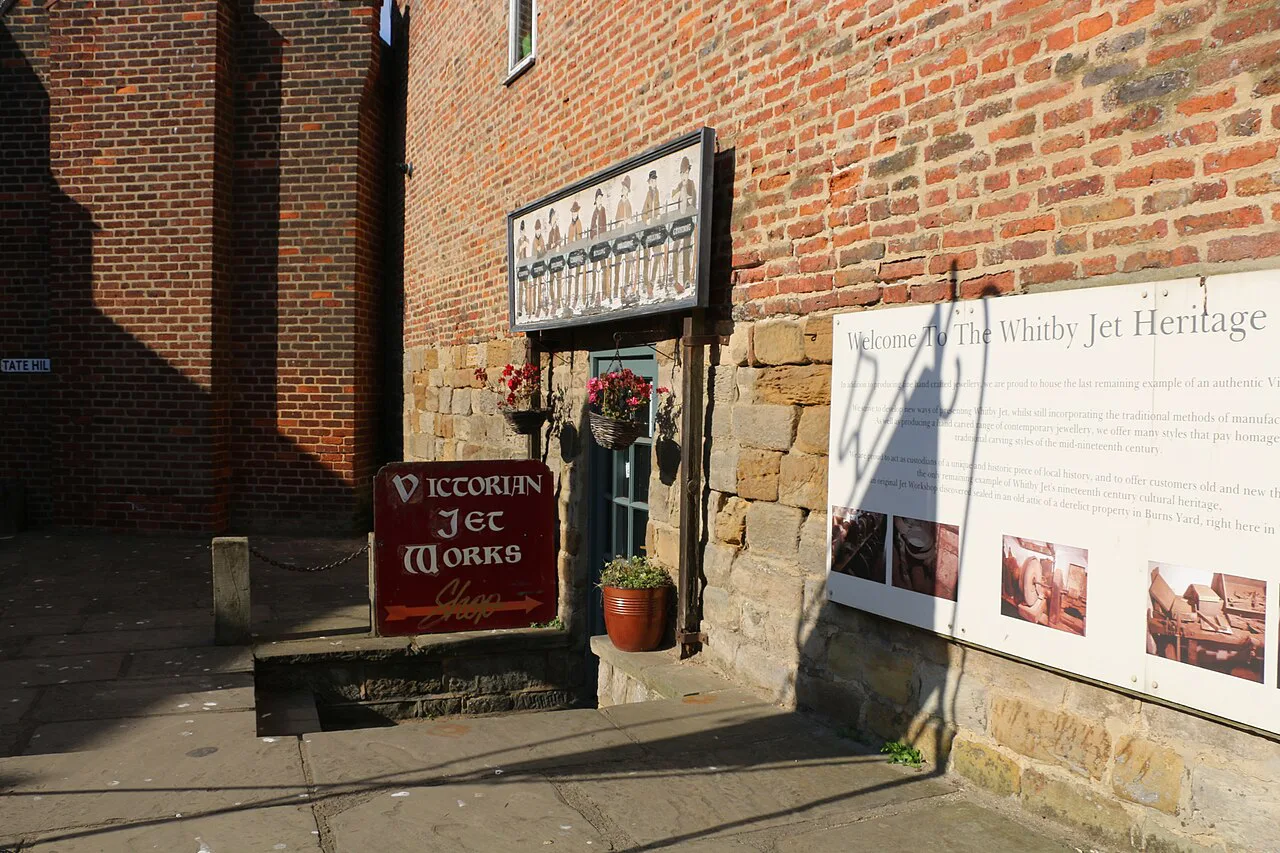
Whitby jet gets its own section, covering the gemstone and the jewellery carved from it, alongside costume and textiles with roots in the town's history dating to 1823. Maritime displays cover ships and the men who sailed them, with material relating to the Scoresby whaling family and the explorer Captain Cook.
There is also a photographic collection built on some 17,000 glass-plate and film negatives going back to the 1860s, plus fine art, bygones, toys, coins and clocks. Not every object is on permanent display, so treat the collection pages as a flavour of the whole rather than a guaranteed checklist.
Whitby Museum tickets and the annual pass
Entry is ticketed and the museum sells membership for people who want to support it, but the admission price, concession rates and any pass terms are not set out in the material published here. Check the visitor information on the museum's own site before you travel so you know what to budget.
One visitor reviewing in August 2025 mentioned receiving an annual pass with unlimited visits and used it for a second trip in the same week. Treat that as one person's experience rather than a stated policy, and ask at the desk whether a return visit is included.
Pannett Art Gallery: the Staithes Group and Yorkshire painting
The gallery holds an eclectic mix of 19th and 20th century paintings on permanent display, with a selection of work by the Staithes Group of Artists always on show. These British Impressionists painted together in Whitby and along the Yorkshire coast around 1894 to 1909, which makes the collection a direct record of the town's artistic circles.
Two family collections anchor the walls: the Weatherill Gallery displays intricate, delicate paintings by two generations of Weatherill artists who worked in Whitby across the 19th and early 20th centuries, and the Soper Collection covers George Soper and his daughters Eva and Eileen. If you are comparing venues across town, our guide to art galleries in Whitby sets these alongside the rest.
Pannett Art Gallery opening days and hours
The gallery opens Tuesday to Sunday, 10.00am to 4.30pm, with last admission at 4pm, and is closed on Mondays. The half-hour cut-off is the detail that catches people out: arriving at 4.15pm means a wasted trip across the park.
Because Monday is a closing day, a Monday city break should lead with Whitby Museum and leave the gallery for another day or another trip. Build the gallery into a Tuesday-to-Sunday plan instead.
Changing exhibitions and why they affect your timing
The gallery runs a rolling exhibition programme alongside its permanent collection, so what hangs in the temporary space depends on when you visit. The published 2026 programme includes the Fylingdales Group of Artists' 94th annual exhibition from 8 September to 11 October, and Ruby Tingle's Wildings from 17 October to 29 November, drawing on the Soper sisters and the wildlife of the surrounding landscapes.
The gallery notes that dates are correct at the time of publication and advises contacting it to confirm before making a special journey. If a particular exhibition is the reason for your trip, ring or email ahead rather than relying on a listing you saw months earlier.
How long to allow and how to pair both museums
Give Whitby Museum a solid two hours: the breadth of collections, from fossils to costume to jet, punishes a quick dash round. The art gallery is a tighter visit of around 45 minutes to an hour for the permanent rooms, longer if a temporary exhibition interests you. If you like to size up collections before committing an afternoon, our guide to museums in Birmingham makes a similar judgement call on what's free and how long to allow.
A sensible afternoon starts at Whitby Museum when it opens, takes a break in the park, then finishes at the gallery well before the 4pm last admission. That order protects you if the museum holds your attention longer than expected.

Flock Kitchen & Coffee at Whitby Museum
The museum's café, Flock Kitchen & Coffee, serves house roast coffee, pastries, cakes and bakes, generously filled sandwiches and scones, which makes it an easy midpoint between the two collections. The museum has published a notice that the café closes on Sundays from the beginning of September, apart from two stated Sundays in November.
If a Sunday scone stop matters to your plan, treat the published notice as the current position and confirm on the day, since seasonal opening patterns shift. On other days the café is the obvious place to sit between museum and gallery.
Getting there and getting around Pannett Park
Pannett Park sits in the centre of Whitby, within walking distance of the town's main streets, so both museums can be reached on foot without a car. The gallery describes the park as peaceful and charming, which is reason enough to leave time for the grounds between visits.
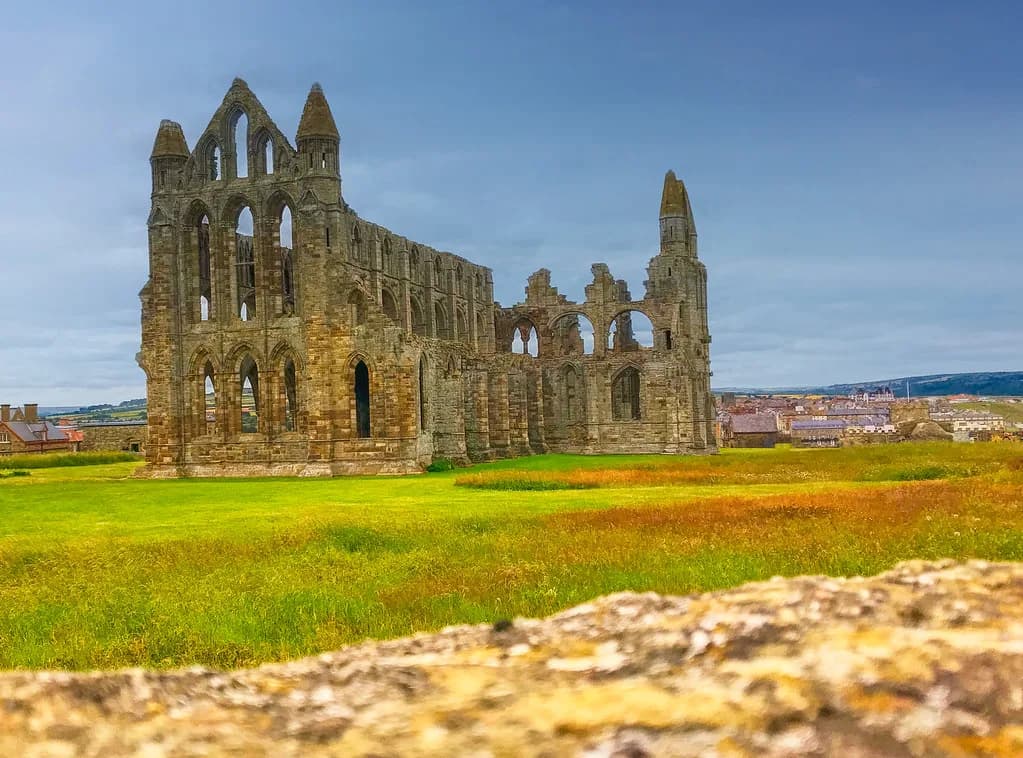
If you are building a wider heritage day, the abbey ruins and the castles near Whitby sit outside the park and need separate time slots. Keep the museums together in one block and treat the ruins as a different half-day.
Practical trade-offs: Mondays, weekends and special journeys
Weekdays are the calmer choice for the museum rooms, and they avoid the weekend crowds that fill Whitby in season. The catch is Monday, when the gallery is shut, so a Monday visit means choosing between the museum alone or rearranging your days.
Before any special journey, confirm two things: the gallery's current exhibition dates and the café's seasonal hours. Both change through the year, and both are published by the venues themselves rather than fixed for good.
For the broader picture of what else fills a Whitby break, from the abbey to the harbour, see our guide to things to do in Whitby and the history of Whitby for the background behind the museum displays.
What you can see in the museum's stores and study collections
The museum's collections pages make clear that what is on view is only part of the story. Whitby Museum's collections are arranged into nine sections, and each section contains photographs of things you can see in the museum, though not every artefact is held on permanent display. Among those nine sections are Local History, Photography, Maritime Heritage, Social History, Fine Art, Natural History, Geology and Fossils, Whitby Jet and Jet Jewellery, and Costume and Textiles.
Some of these stores are described in striking numbers. The photography collection is extensive and is based on some 17,000 glass-plate and film negatives dating back to the 1860s. The natural history collection comprises specimens of animals, birds and insects which have been preserved and mounted, either individually or in groups. The costume collection originated in 1823, and the paintings collection consists mainly of 19th and early 20th century work, in oil and watercolour, either by local artists or depicting the area.
If you have something you think belongs in the collection, the museum asks you to get in touch, but notes that there isn't a lot of space for storage, so only objects that satisfy the accessions policy can be accepted. The collections themselves have been assembled over the past 200 years.
Plan Your Museum Afternoon in Whitby
Two museums, one park and a half-hour admission cut-off: that is the whole planning problem in Whitby. Book your days around Tuesday to Sunday for the gallery, allow two hours for Whitby Museum and keep the last hour of the afternoon free for painting.
If you want more of the town's darker storytelling after dark, ghost tours in Whitby and the haunted places in Whitby pair well with a museum day built on fossils, jet and whaling history.
Explore more Whitby guides
Frequently Asked Questions
What museums are there in Whitby?
Whitby has two main museums, both in Pannett Park: Whitby Museum, an independent Victorian museum run by the Whitby Literary and Philosophical Society, and Pannett Art Gallery, which holds 19th and 20th century paintings including the Staithes Group and Weatherill collections.
Is Whitby Museum free?
Admission is ticketed, and the museum also sells membership. The published visitor information does not set out admission prices or concessions, so check the museum's own visitor pages before you travel to budget for entry.
Do you get an annual pass with Whitby Museum entry?
One reviewer in August 2025 mentioned receiving an annual pass with unlimited visits and returned later the same week. That is a single visitor's account rather than a stated policy, so ask at the desk whether a return visit is included with your ticket.
What day is Pannett Art Gallery closed?
Pannett Art Gallery is closed on Mondays. It opens Tuesday to Sunday, 10.00am to 4.30pm, with last admission at 4pm, so plan to arrive well before the cut-off.
What can you see at Whitby Museum?
Expect Jurassic fossils including marine reptiles, Whitby jet and jet jewellery, model ships and maritime material relating to the Scoresby whaling family and Captain Cook, plus costume, textiles, photography, fine art, toys and clocks.
How long does it take to go round Whitby Museum?
Allow about two hours for Whitby Museum, given the number of separate collections, and around 45 minutes to an hour for Pannett Art Gallery's permanent rooms. Pairing them in one afternoon works if you start at the museum.
Is there a café at Whitby Museum?
Yes, Flock Kitchen & Coffee serves coffee, cakes, bakes, sandwiches and scones. The museum has published a notice that the café closes on Sundays from the beginning of September, with stated exceptions, so confirm on the day.
Can you see the Staithes Group paintings in Whitby?
Yes. Pannett Art Gallery always displays a selection of work by the Staithes Group of Artists, the British Impressionists who painted in Whitby and along the Yorkshire coast around 1894 to 1909.
Sources
Notes for your next city break
Optional updates to our UK city guides.
You might also like
Continue reading
More guides you'll find useful