
Pannett Park, Whitby: A Visitor Guide to the Town Park

Pannett Park is Whitby's town park and the home of Whitby Museum and Art Gallery, so a single stop gives you gardens and a collection in one place. Treat the two as one visit: the park is the setting, the museum is the main indoor draw, and the Jurassic Garden ties them together.
The park rewards a slow wander rather than a tick-box circuit. Its most distinctive corner is the Jurassic Garden, and the floral clock and seasonal planting give the grounds a changing character through the year. For the wider context of the town, the Whitby Attractions: 8 Visitor Guides hub shows how Pannett Park fits alongside the harbour, the abbey and the museums.
What Pannett Park Is and Where It Sits in Whitby
Pannett Park sits on the west side of Whitby, within easy walking distance of the town centre and the River Esk. It is a formal town park rather than a wild open space, laid out with paths, planting and garden features, and it holds Whitby Museum and Art Gallery within its grounds.
The park is looked after by the Friends of Pannett Park, the volunteer group whose site carries the park's own pages and events listings. That structure matters to visitors mainly because the park and museum operate as a pair: you arrive for the gardens and end up inside the museum, or the reverse.
Whitby Museum and Art Gallery in the Park
Whitby Museum and Art Gallery occupies a site inside Pannett Park and is the reason many people come. The museum holds the fossil collection that the garden outside is designed to echo, and the art gallery displays works under the Pannett name. If you want to weigh it against the town's other collections before committing, the museums in Whitby guide compares them side by side. Check the current opening days before you build a day around it, since a museum visit is the part of the trip most sensitive to hours.
If you are comparing indoor options across town, the museums in Whitby guide sets the museum and gallery beside the town's other collections. Allow the museum its own block of time rather than squeezing it between garden paths, because the fossil displays reward a proper look.
The Jurassic Garden and Its Fossil Links
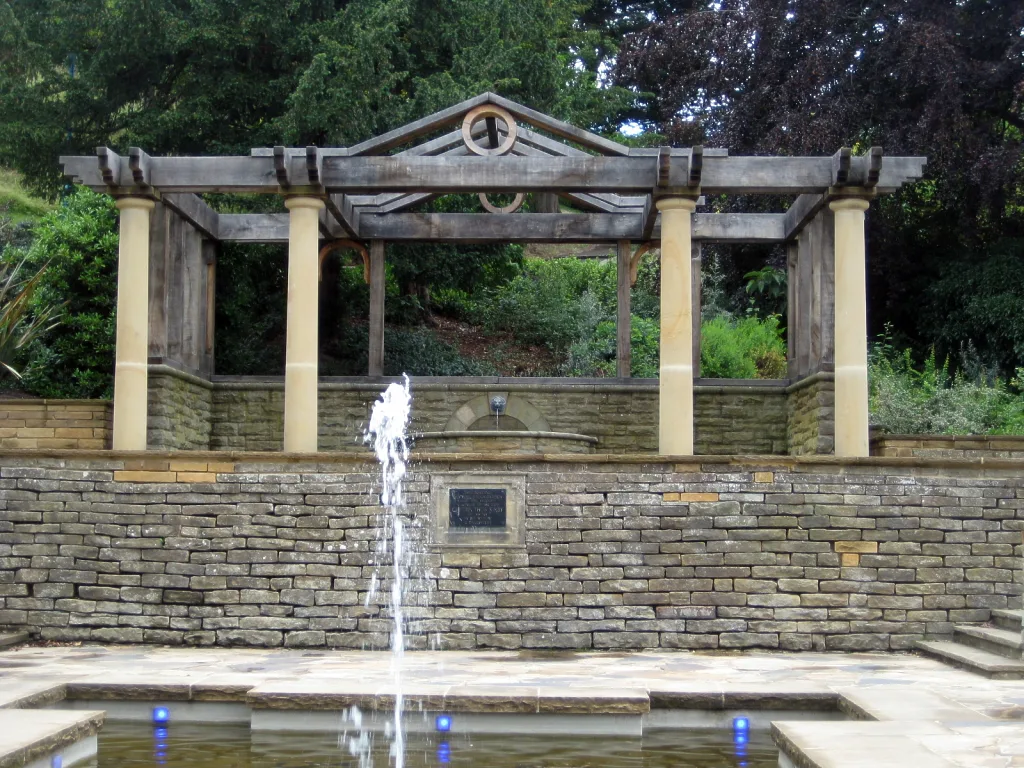
The Jurassic Garden is the park's signature feature and the strongest reason to visit even if you skip the museum. According to the park's own description of the Jurassic Garden, the planting echoes the plant life of the Jurassic period, and a footpath carries details of fossils likely to be found in the cliffs around Whitby.
The centrepiece is a replica of a Gharial crocodile, described by the park as the earliest example of a complete marine crocodile, found in 1824 at Saltwick near Whitby. A leaflet available in the museum links the garden with exhibits in the museum, which is the practical way to join the outdoor and indoor stories into one thread.
The Floral Clock and Seasonal Planting
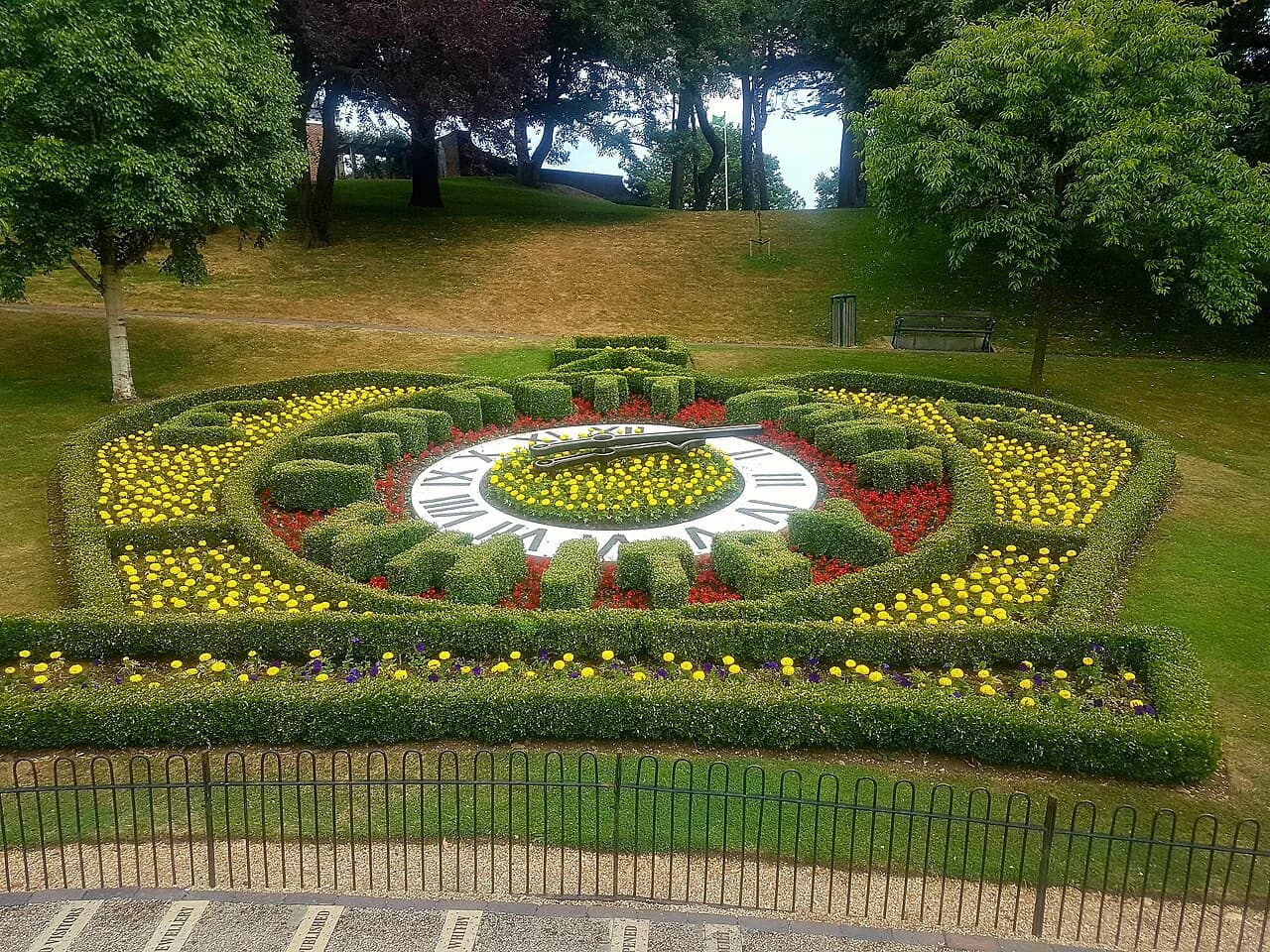
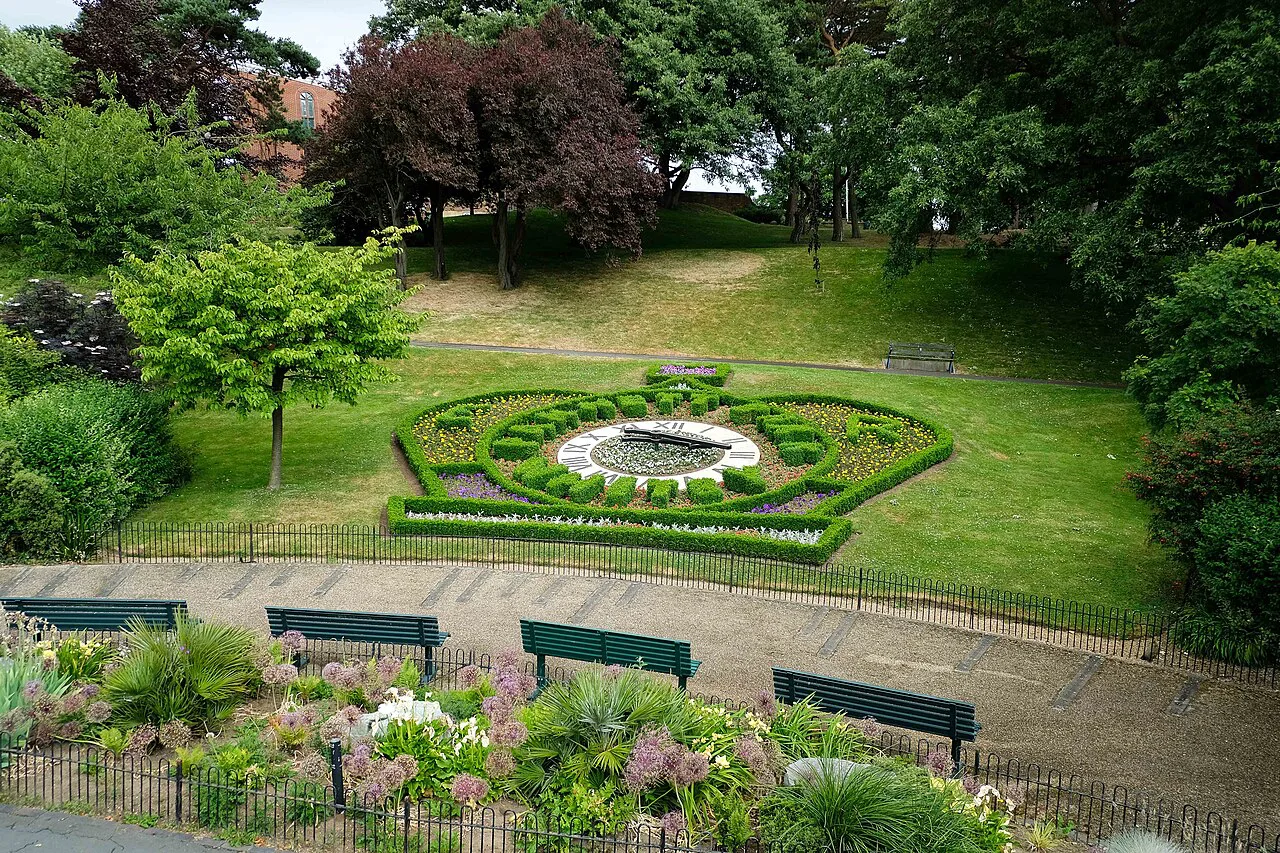
The floral clock is one of the park's long-standing features and appears among the park's own galleries and seasonal pages. Planting changes across the year, so the borders and the clock bedding look different in spring, high summer and autumn. If flowers are the main draw, aim for the warmer months rather than a winter stop.
The park's photo galleries give a sense of how the grounds look across the seasons before you commit a slot in your itinerary. Browse the galleries on the park's own site to judge which season suits your visit.

The Play Area
A play area gives families a reason to stretch a park stop beyond a quick lap. It sits within the grounds rather than as a separate attraction, so children can play while adults take turns in the museum or walk the Jurassic Garden. Facilities and any seasonal arrangements are best confirmed with the park before travelling with young children.
How Long to Allow for the Park and Museum
Budget around 45 minutes to an hour for the park alone: the Jurassic Garden, the floral clock and a circuit of the paths fit comfortably into that. Add 60 to 90 minutes for Whitby Museum and Art Gallery if you want to see the fossil collection and the gallery properly. That makes a half day for the pair, and two to three hours for a brisk version. If you are weighing this against the town's other collections, our museums in Whitby guide covers opening hours and tickets for each.
The trade-off is simple: the park is the flexible part, the museum the fixed one. If your time in Whitby is short, do the Jurassic Garden first, then the museum, so a long museum visit cannot swallow the outdoor highlight.
Getting There and Getting Around the Park
Pannett Park is walkable from Whitby town centre and the harbour side, which makes it an easy add-on to a day on the west bank. Paths within the grounds are laid out for strolling, and the museum sits inside the park boundary, so you do not need transport between the two. For the wider town, the Whitby guide maps the main sights around the centre.
Whitby is compact enough that most visitors reach the park on foot, but the town has steep streets in places, so allow extra time if anyone in your party finds hills difficult. Check local bus and parking information before you travel if you plan to drive, since arrangements around the town centre change with the seasons.

Nearby Options in Whitby
Pannett Park works well as the start of a wider day. Whitby Abbey, run by English Heritage, stands on the East Cliff and pairs naturally with the churchyard and the 199 Steps. The Captain Cook Memorial Museum, Whitby sits in the old town near Grape Lane and suits anyone following the town's maritime story. If you want indoor options instead, our guide to museums in Whitby covers the town's other collections.
For the full picture of what to slot around the park, the things to do in Whitby guide covers the harbour, the beaches and the abbey in one place. Whitby Harbour and the River Esk are a short walk down from the park and make a natural end to an afternoon.
Practical Notes on Opening and Facilities
The park's own site lists a play area, seasonal planting, the floral clock and annual events, which tells you what to expect on the ground but not the times you can walk in. For opening and access details, check the park's official pages, and for the museum's days and any admission arrangements, check Whitby Museum directly before you go.
Plan Your Visit
Pannett Park is the calm half of a Whitby day: a town park with the Jurassic Garden at its heart and Whitby Museum and Art Gallery on site. Plan the garden and the museum as one stop, give the pair half a day if you can, and keep the fossil leaflet in mind as the link between the two.
Build the rest of your day around the town's other landmarks, from the East Cliff to the old harbour streets, using the Whitby Attractions: 8 Visitor Guides hub as your starting point.
Frequently Asked Questions
Where in Whitby is Pannett Park?
Pannett Park is on the west side of Whitby, within walking distance of the town centre and the River Esk, and Whitby Museum and Art Gallery stands inside its grounds. Most visitors reach it on foot from the centre.
What is there to see in Pannett Park?
The Jurassic Garden is the standout feature, with planting that echoes Jurassic plant life, a footpath describing fossils found in the cliffs around Whitby, and a replica of a Gharial crocodile found at Saltwick in 1824. The park also has a floral clock, seasonal bedding and a play area.
How long does it take to walk around Pannett Park?
Allow roughly 45 minutes to an hour for the park itself, covering the Jurassic Garden, the floral clock and a circuit of the paths. Add 60 to 90 minutes if you want to see Whitby Museum and Art Gallery properly.
Is Pannett Park near Whitby Museum?
The museum and art gallery sits within the park, so the two form a single stop with no travel between them. A leaflet available in the museum links the Jurassic Garden to the museum's fossil collection.
Does Pannett Park have a play area?
The park's own site lists a play area alongside the gardens, floral clock and seasonal planting. It is part of the grounds rather than a separate attraction, so families can combine it with a museum visit.