Castles Near Whitby: What's Really There and Worth the Trip
Whitby's cliff-top ruin is Whitby Abbey, not a castle. Here are the real castles and fortified sites nearby, and how to plan a day around each one.
On this page
The landmark on Whitby's cliff top is Whitby Abbey, a ruined abbey rather than a castle, so castle-hunting here works best as a series of short day trips rather than a single stronghold to tour. That mislabelling is common enough that the headland ruin is sometimes sold as Whitby Castle. This guide sets out what each site actually is, which one suits a wet morning and which needs a car.
Whitby Abbey: the ruin people call a castle
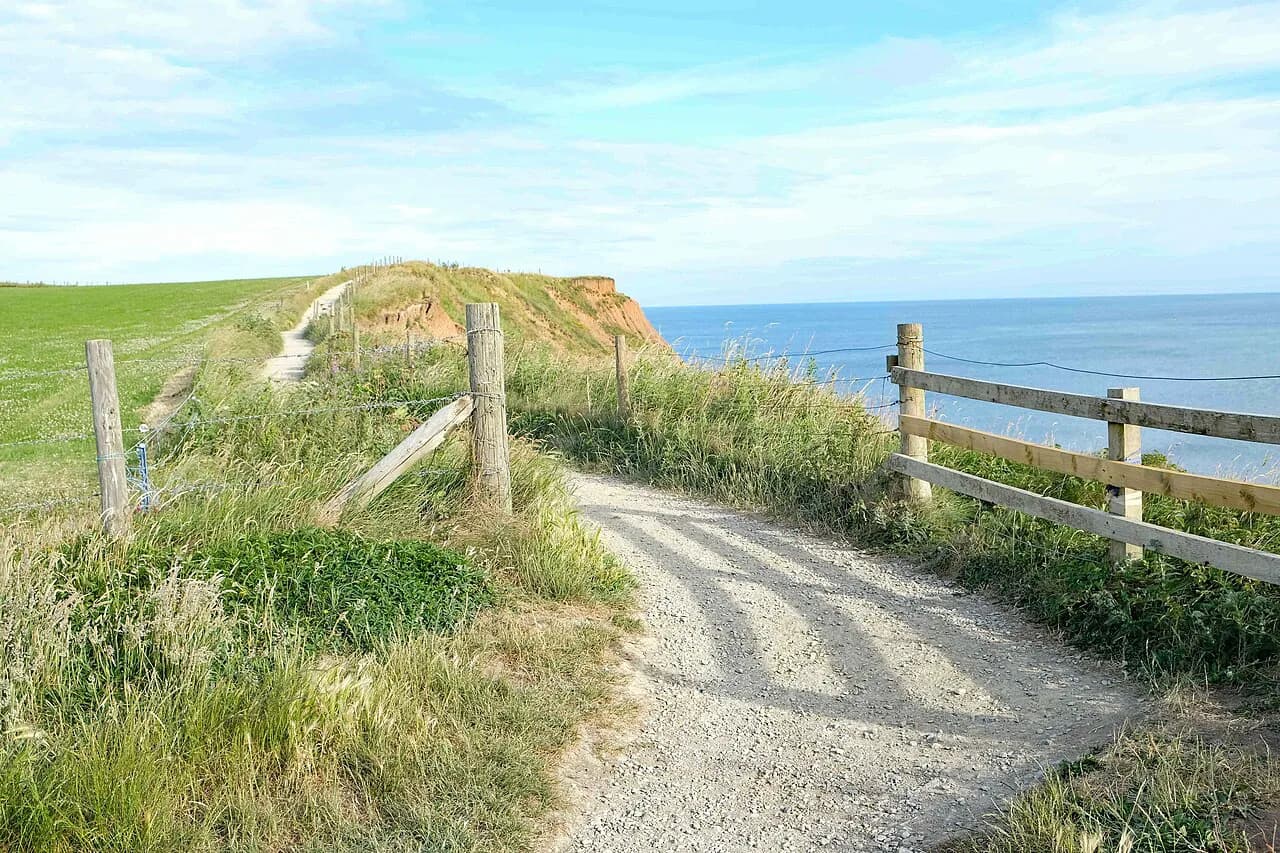
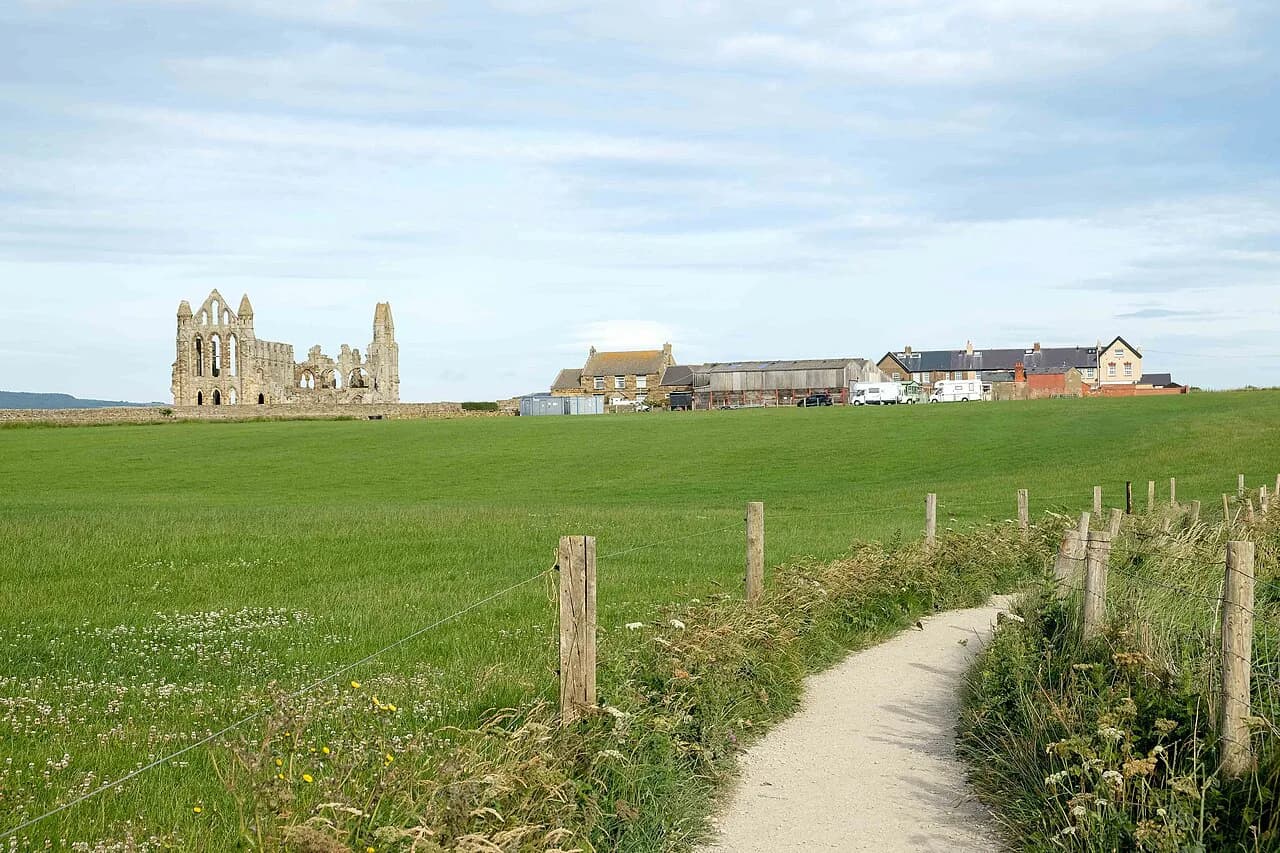
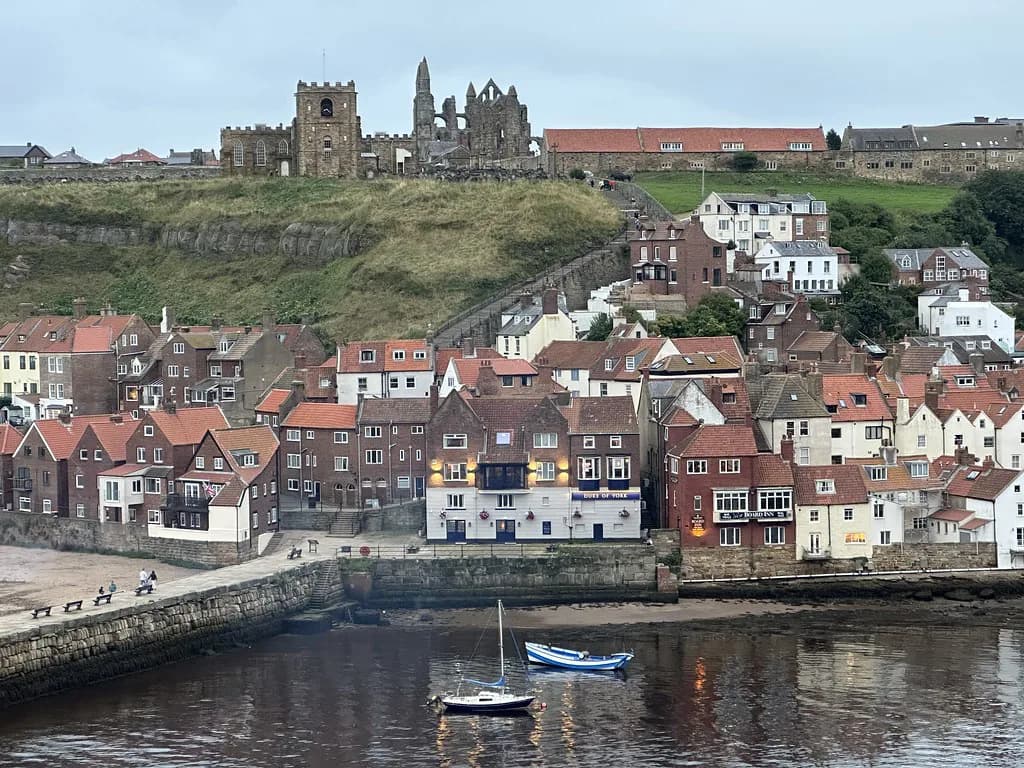
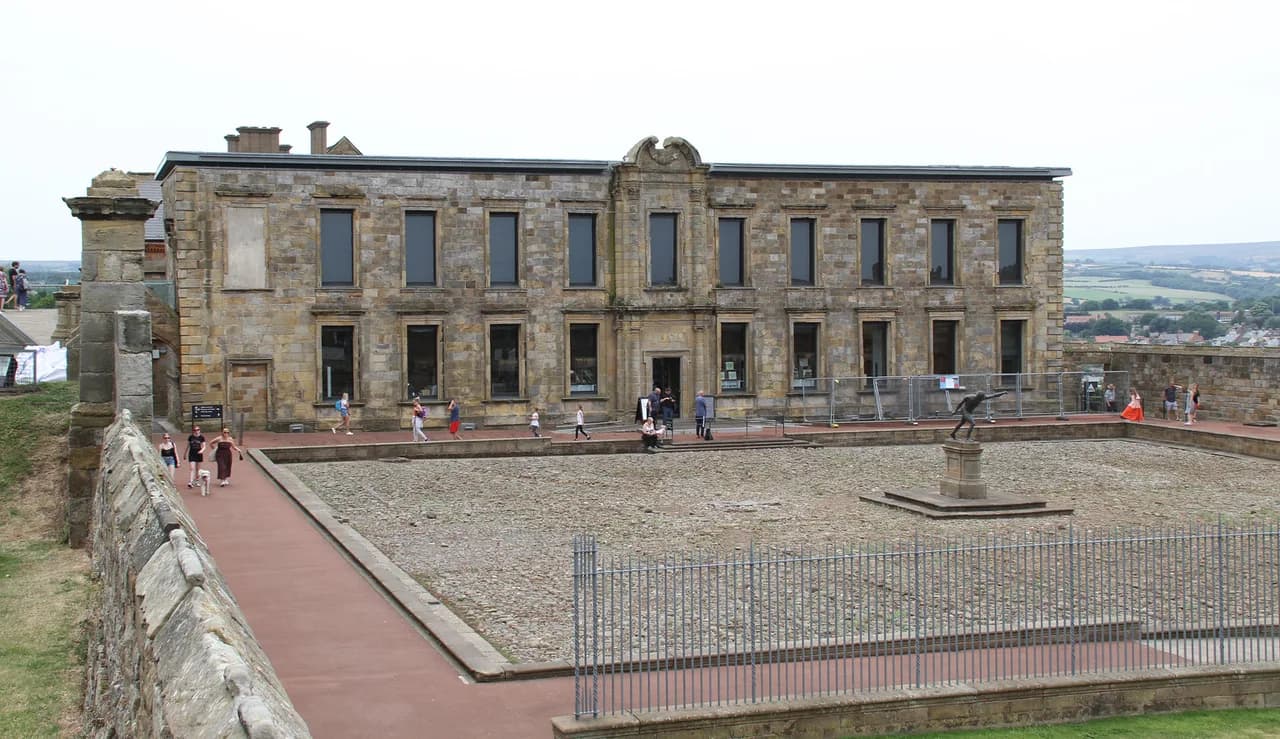
Whitby Abbey is one of North Yorkshire's most striking landmarks, and it sits on the headland above the town rather than within it. Treat it as a ruined abbey and the visit makes sense: you come for the standing walls against the sky and the view back over the harbour, not for ramparts or a keep. Allow time to walk the site slowly, because ruined masonry and uneven ground reward a patient circuit rather than a quick photo stop.
The abbey is often searched for as Whitby Castle, which is why so many castle lists include it. In person the distinction is obvious: there is no castle to enter, only the shell of a great church and its precinct. If you want a castle you can walk through room by room, plan for one of the other sites below instead, and if you are weighing up a longer trip, the castles near Aberdeen offer another set of day-trip options to compare.
Sneaton Castle: a castle building that is now a hotel
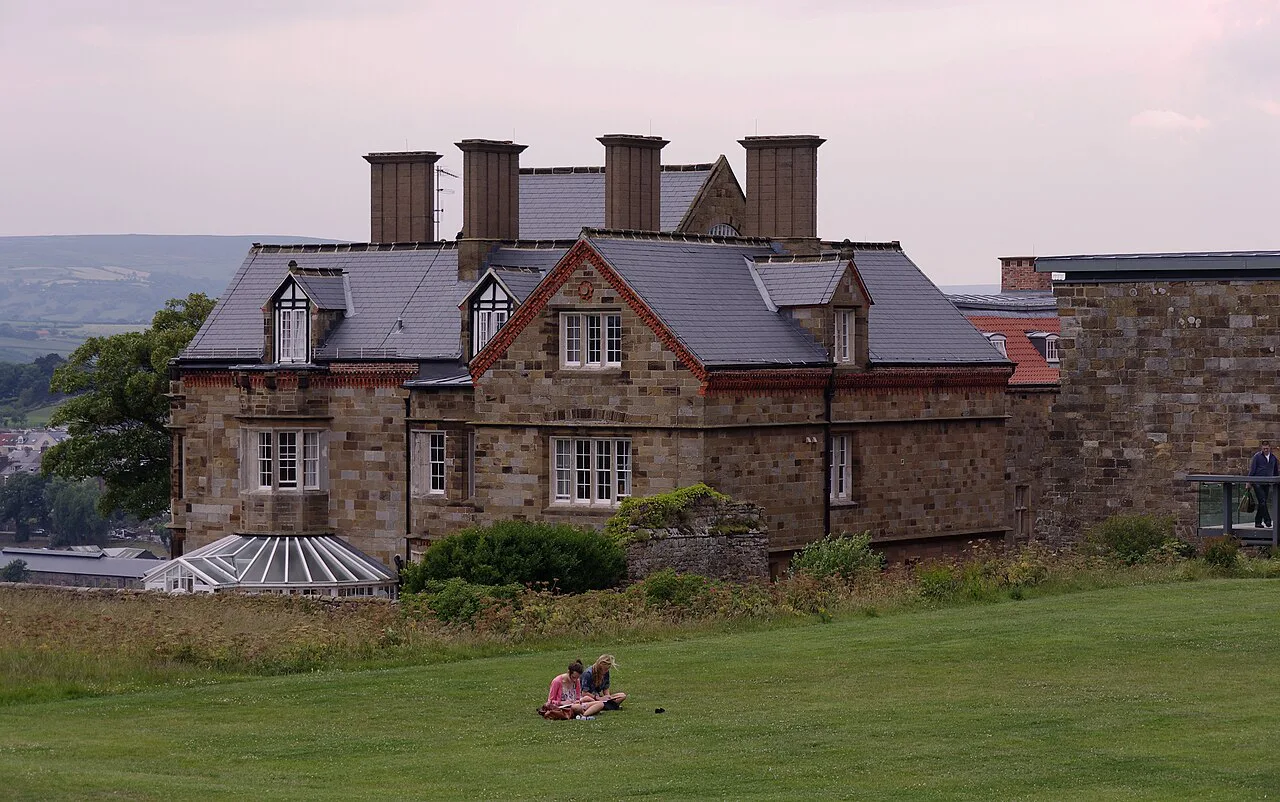
Sneaton Castle sits on Castle Road on the edge of Whitby and operates as a hotel with 19 rooms, an on-site restaurant and a continental breakfast rather than as a monument you pay to tour. It is about a 15-minute walk from the town centre and roughly 1.4 km from Whitby Railway Station, with a 015 bus stop within 700 metres.
For castle-hunters the appeal is architectural rather than historical: you see a castellated building in a garden setting and can stay in it, but there is no visitor circuit, ticket desk or interpretation to work through. Guests get the building and the grounds as a base; day visitors looking for a castle to explore should keep moving.
Old Mulgrave Castle near Lythe: earthworks in a designed landscape
Old Mulgrave Castle near Lythe is a scheduled monument: an enclosure castle that was later incorporated into an 18th-century planned landscape. That description sets expectations honestly, because what survives is earthworks and buried archaeology within a later parkland rather than a standing keep with spiral stairs.
Come for the shape of the ground and the landscape reading rather than for interpretive panels or facilities, and expect to do the work of imagining the castle yourself. Walkers who enjoy tracing banks and ditches in a park will get more from it than families wanting battlements to climb.
Choosing between them
If you have one free morning, walk to Whitby Abbey: it is the most atmospheric site and needs no transport. If you want a castle building with a roof on, book a room at Sneaton Castle and treat it as accommodation rather than sightseeing. Old Mulgrave rewards a dedicated half-day in the car, so slot it in only if earthworks and designed landscapes genuinely interest you.
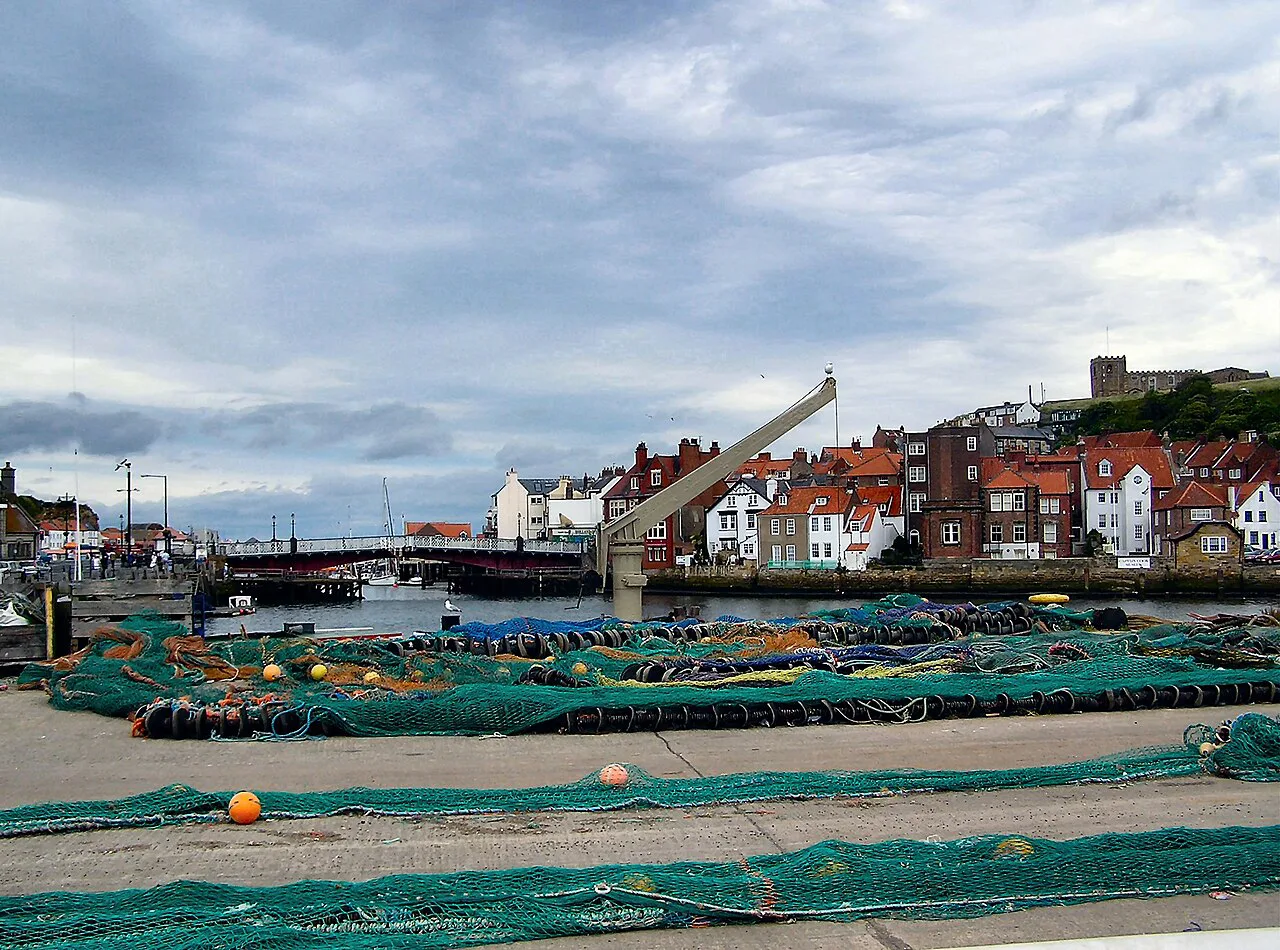
Getting there
Whitby Abbey is about 1.9 to 2.4 km from the town and station area, with the climb up the cliff path or the walk along the headland both adding to the time. Sneaton Castle is the easier of the two to reach on foot from the centre at roughly 15 minutes, and its nearest bus stop on route 015 is within 700 metres.
Old Mulgrave Castle near Lythe is a car or taxi trip: there is no supported walking route from Whitby town centre, so plan a lift or drive and combine it with the coastal road. Public transport into the village does not put you at the monument gate, so budget for the last stretch on foot.
Tickets, opening times and what to verify
Ticket prices, opening days and seasonal hours for Whitby Abbey are not fixed here, so check the abbey's own site before you set out, particularly outside summer. Old Mulgrave Castle is a scheduled monument rather than a staffed attraction, so there is no ticket window or timetable to consult. Sneaton Castle's rates and availability are set by the hotel and vary by date.
Practical trade-offs
Ruins mean uneven ground, loose stone and exposed headland weather, so sturdy shoes and a windproof layer matter more than any ticket. Earthwork sites offer little in the way of facilities or signage, which makes them quiet but hard work for children. Check opening details once before travelling and the rest of the day looks after itself.
Nearby history to pair with a castle day
The town pairs well with the headland: a walk down from the abbey puts you among the museums in Whitby, including the Captain Cook Memorial Museum and the wonderfully eclectic Whitby Museum, both within easy reach of the centre. Allow a couple of hours for a museum and you can still fit the abbey into the same day without rushing either.
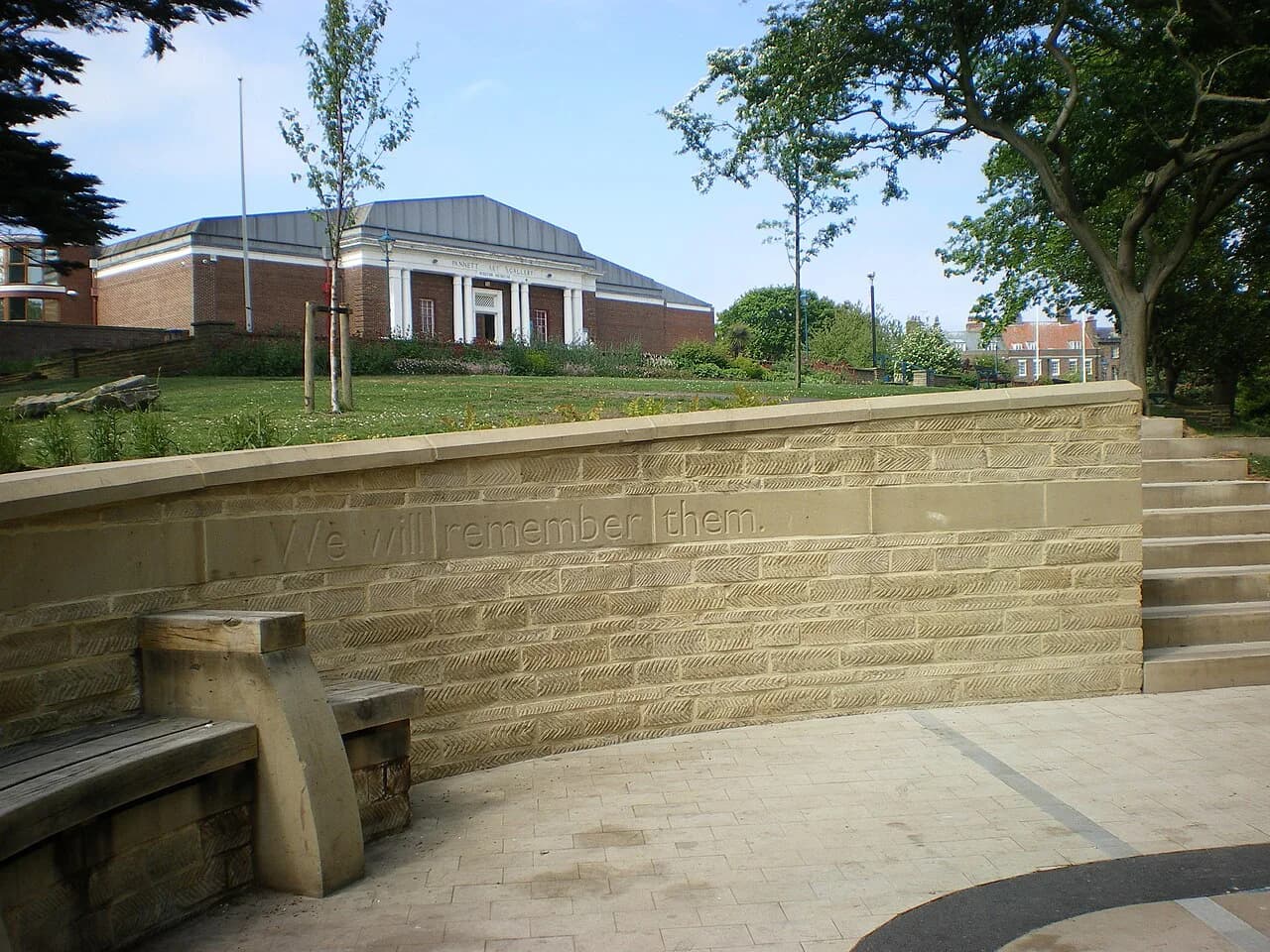
If the weather turns, the town's art galleries in Whitby make a dry alternative, with the Pannett Art Gallery among the options for a short indoor stop. Pairing one gallery with one museum gives a full day without depending on the headland's mood.
Where to stay
Sneaton Castle works as a base on the edge of town, with a 15-minute walk into the centre, 1.4 km to Whitby Railway Station and the 015 bus stop within 700 metres. Staying there puts you close to the abbey while keeping you out of the busiest streets, and the on-site restaurant saves a walk back into town in the evening.
Pick One Site and Do It Properly
Whitby's headland ruin is an abbey, not a castle, and the nearest true castle buildings and earthworks each ask something different of your day. Walk to the abbey if you want atmosphere, sleep in Sneaton Castle if you want a castle roof over your head, and drive to Old Mulgrave if you want to read a landscape. Choose one and give it the time it deserves rather than squeezing all three into a single afternoon.
Explore more Whitby guides
Frequently Asked Questions
Is there a castle in Whitby?
There is no castle monument in Whitby itself. The clifftop ruin that is often called Whitby Castle is Whitby Abbey, a ruined abbey on the headland. Sneaton Castle is a castellated building on Castle Road that now runs as a hotel.
What is the castle on the hill at Whitby?
It is Whitby Abbey, a ruined abbey on the headland above the town. It gets labelled a castle in search results and listings, but the standing remains are those of an abbey church and precinct, not a fortress.
Can you visit Sneaton Castle?
Sneaton Castle operates as a hotel with 19 rooms, an on-site restaurant and a continental breakfast, so you visit by staying or dining rather than by buying a sightseeing ticket. It is about a 15-minute walk from the town centre and roughly 1.4 km from Whitby Railway Station.
Where is Old Mulgrave Castle?
Old Mulgrave Castle is near Lythe in North Yorkshire and is recorded as a scheduled monument, an enclosure castle incorporated into an 18th-century planned landscape. What survives is earthworks and archaeology within later parkland rather than a standing keep.
How far is Whitby Abbey from the town centre?
Whitby Abbey is about 1.9 to 2.4 km from the town centre and station area, a walk that includes a climb up to the headland. Allow extra time for the gradient and the weather on the cliff top.
Do you need a car to see castles near Whitby?
Not for Whitby Abbey or Sneaton Castle, both of which are walkable from the centre. Old Mulgrave Castle near Lythe is best reached by car or taxi, since there is no straightforward walking route from town and public transport does not drop you at the monument.
Sources
Notes for your next city break
Optional updates to our UK city guides.
You might also like

Continue reading
More guides you'll find useful