Haunted Places in Whitby: Legends, Sites and Ghost Walks
Whitby's haunted reputation runs from the 199 Steps and St Mary's Churchyard to Whitby Abbey. Here are the legends, told as legends, and how to see the sites.
On this page
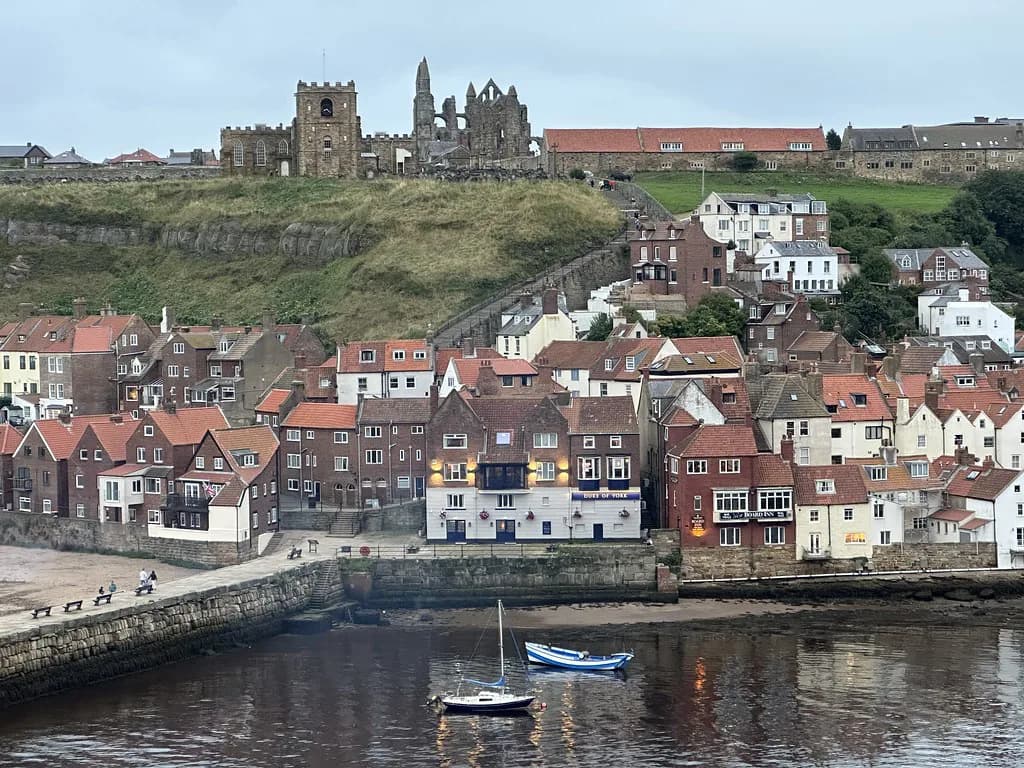
Whitby's haunted reputation is built on a small patch of ground: the East Cliff, where the 199 Steps climb from the old town to St Mary's Churchyard and the skeletal ruins of Whitby Abbey. Bram Stoker stayed in the town in the 1890s and set the opening of Dracula here, which is why so many of the ghost stories now circle the same steps, graves and headland. Treat what follows as legend and folklore, not established fact, and you get a good day out plus an honest idea of what you are paying for.
Why Whitby has a haunted reputation
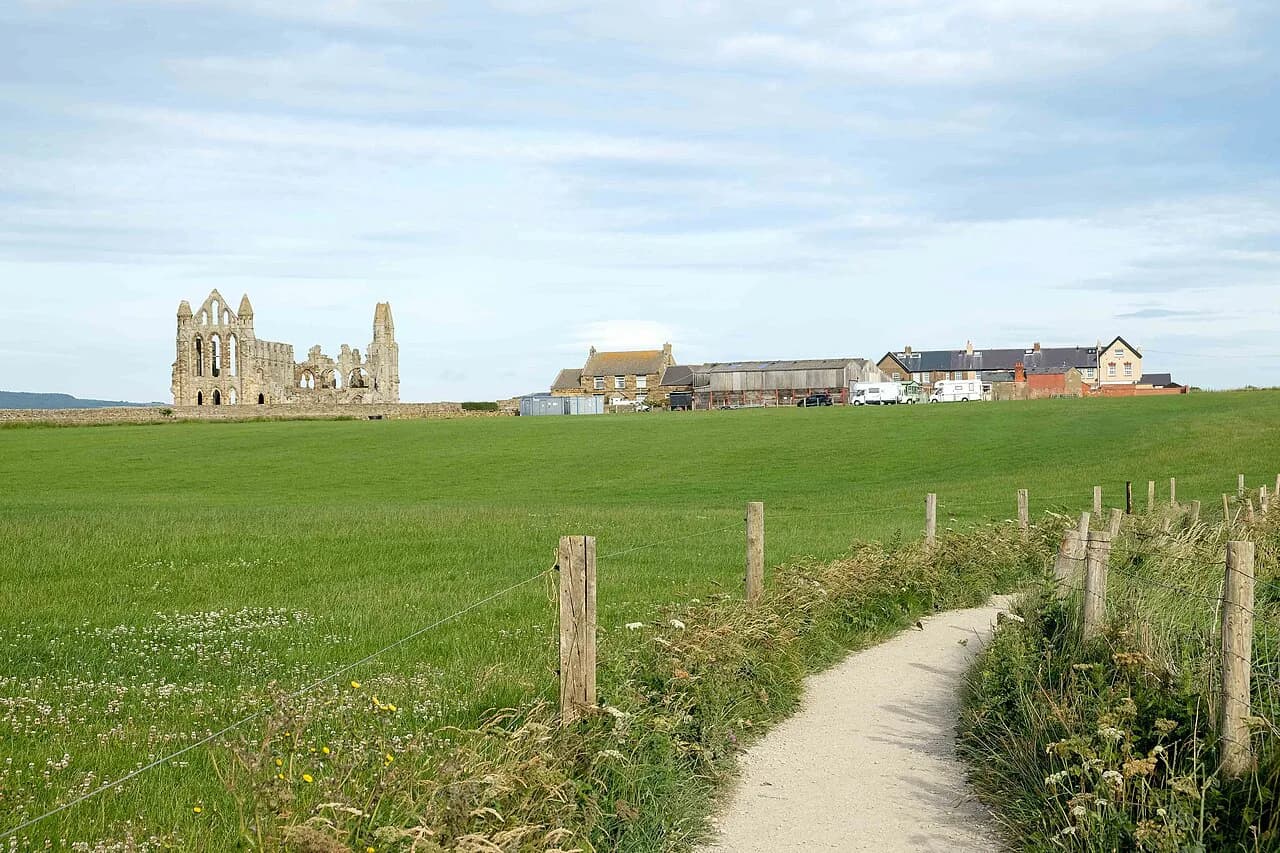
Three things feed the reputation: the abbey ruins on the cliff, the crowded old churchyard beside them, and Stoker's novel. Dracula opens with the Count arriving in England at Whitby in the form of a black dog before bounding up the 199 Steps towards the church, and the story has attached itself to the real landmarks ever since. The ruins are looked after by English Heritage, which describes them as the monastic remains that dominate the East Cliff headland above the town.
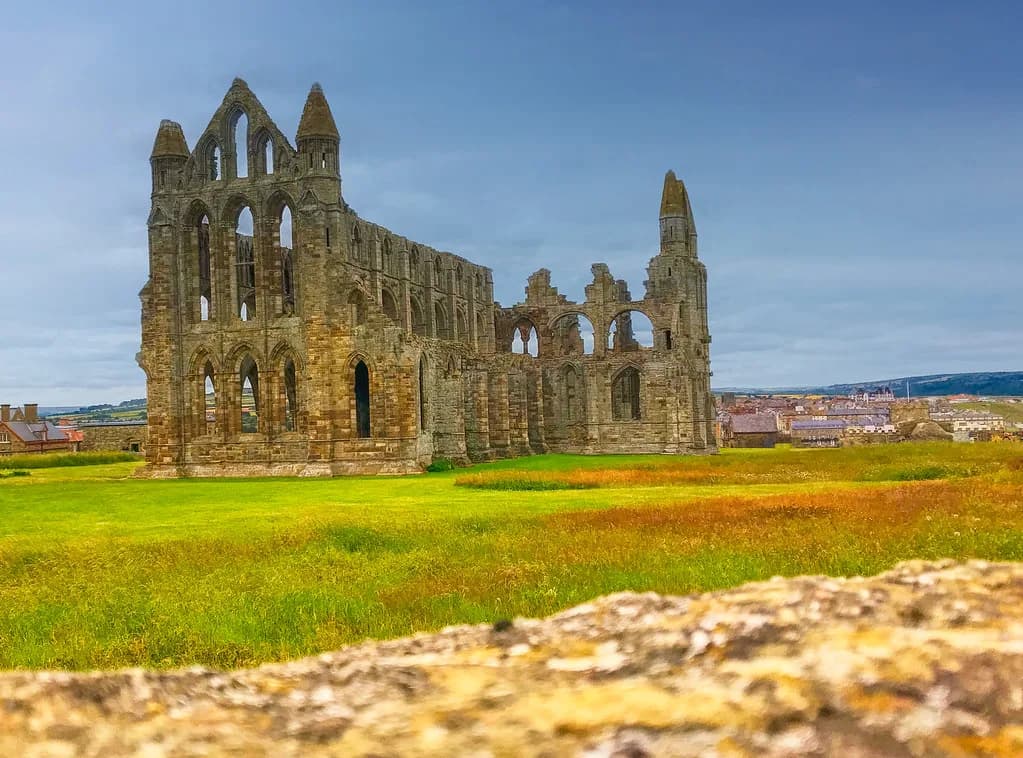
The setting does most of the work. The abbey was founded in 657 by St Hilda, wrecked by the Vikings, rebuilt as a Benedictine monastery in the eleventh century and closed under Henry VIII, and the west wall was later damaged by German naval shelling in 1914, leaving the broken silhouette visitors see now. Fewer than 200 steps separate the harbour from the churchyard, so the whole haunted circuit is walkable in an afternoon. If you enjoy this kind of ruined-abbey atmosphere, the haunted places in York offer another compact circuit of old stones and ghost stories.
St Mary's Churchyard and the 199 Steps
St Mary's Churchyard sits at the top of the steps, packed with weathered stones, some dating back to the 1700s, and a couple of skull-and-crossbones carvings near the entrance. The steps themselves date from 1340 in timber and were rebuilt in stone in 1774, with Roman numerals marking every tenth tread and plank benches on the way up that were originally resting places for pallbearers carrying coffins.
Climbing at dusk means uneven stone, worn treads and a steep pull, so wear shoes you trust and allow more time than you would in daylight. The churchyard is consecrated ground: keep to the paths where you can, keep voices down and leave the stones alone. Above you, the abbey ruins stand against the sky and make the whole walk feel staged, which is exactly why the stories stuck.
Whitby Abbey: the shelled ruin on the East Cliff
Whitby Abbey is the centrepiece, and any ghost story about it is legend. The ruins are dramatic because they are genuinely ruined: stripped after the dissolution, left open to the weather, with the west front broken by shelling. Stand at the wall and you can look straight down over the harbour and red rooftops, the view that appears in so many photographs of the town.
Entry is ticketed and run by English Heritage, and the ruins are the one site here with a formal admission charge, so decide in advance whether you want to go inside the enclosure or simply walk the outside and take the clifftop view. Check the English Heritage listing before travelling for current opening days and admission, because both change with the season.
The Whalebone Arch and West Cliff: where the ghost walk gathers
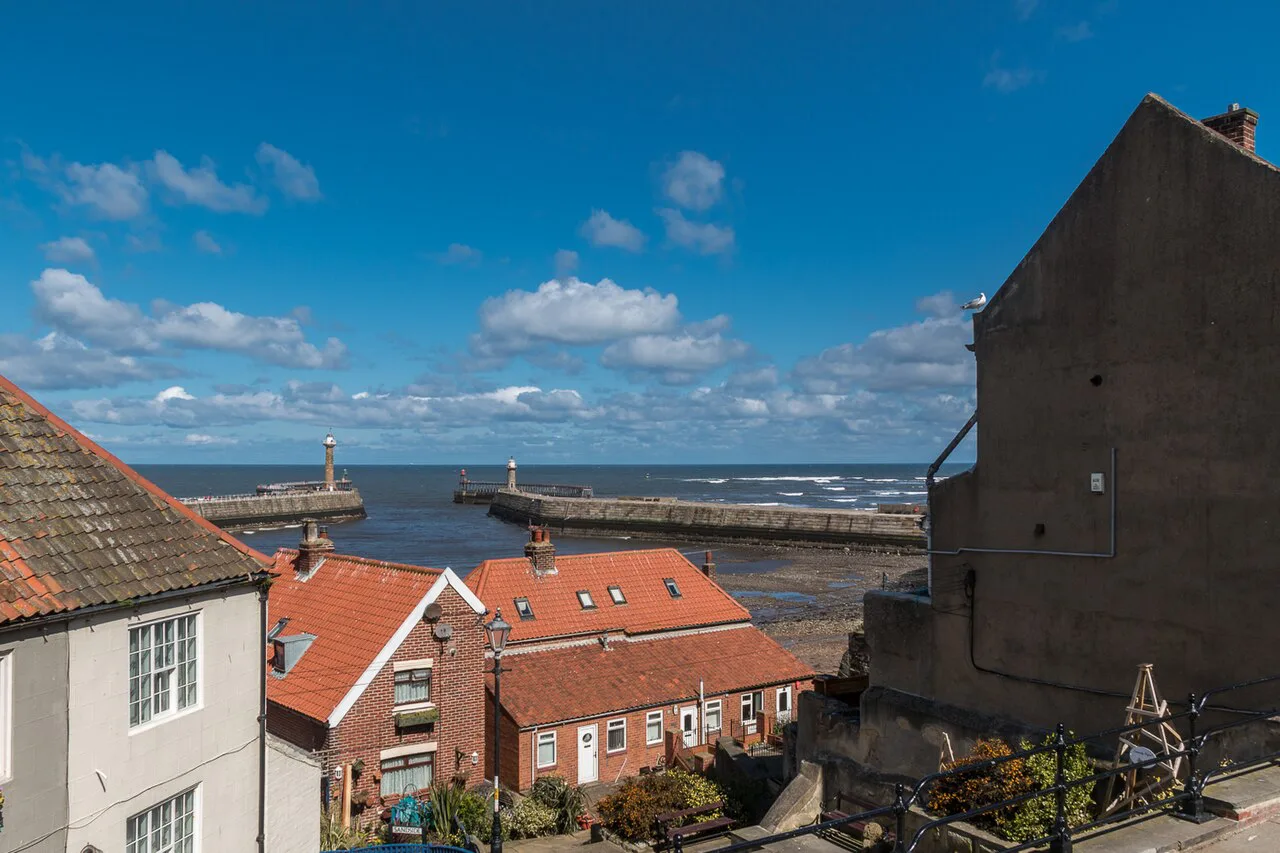
Across the harbour on the West Cliff, the Whalebone Arch is a memorial to the town's whaling years between 1750 and 1840, made from two whale jawbones and erected in 1853, with replacements fitted as the bones weather. A statue of Captain Cook stands beside it, and a Bram Stoker memorial bench nearby takes in the view across to the abbey. It is public open ground, free to visit at any hour, and the obvious assembly point for an evening walk.
Whitby Walks with 'Dr Crank'
Whitby Walks runs three guided routes: a Ghost Walk, an In Search Of Dracula walk and a Heritage and History walk, led by a storyteller in character as Dr Crank, and it takes groups, schools, individuals and private bookings. For a sense of how the evening tours compare across the town, see our guide to ghost tours in Whitby.
The Ghost Walk is an evening commitment of roughly ninety minutes, spent outdoors around the West Cliff with ghoulish tales rather than jump scares. Confirm the current meeting point, start time and ticket cost directly with Visit Whitby before you build an evening around it, and bring a layer against the sea wind.
The Dracula Experience: an indoor, effects-led take
If the weather turns or you are visiting with children who want a scare rather than a lecture, the Dracula Experience recreates scenes from the novel with animated figures, special effects and live actors across eight scenes. It is deliberately theatrical and a bit tongue-in-cheek rather than a museum, which makes it a sensible wet-afternoon pairing with the clifftop walk.
Legends told as legends: Humpty Dumpty and the skulls
Two bits of folklore get repeated on every walk. The first is Humpty Dumpty's grave in St Mary's Churchyard, which belongs to a canon who happened to share the name rather than to the nursery-rhyme egg. The second is the skull-and-crossbones headstones, which local children are told mark pirate burials but which actually indicate Freemasons' graves.
Local storytellers also like to imply that Dracula himself lies somewhere in the churchyard, a line that belongs firmly to fiction. Enjoy it as theatre, and let the genuinely interesting facts, the sailors and fishermen commemorated on the stones and the eighteenth-century dates, do the real work.
Bram Stoker in Whitby
Stoker stayed in Whitby between 1890 and 1896, at a house on the West Cliff, and used the town for the opening chapters of Dracula. The memorial bench near the Whalebone Arch gives you the same framing of the abbey across the harbour that appears in the book's descriptions. It is a free, five-minute stop that ties the fiction to the real geography.
If the Victorian context is what interests you, our history of Whitby covers the abbey, the fishing port and the town's growth in more detail than any ghost walk can.
Practical points for a haunted afternoon
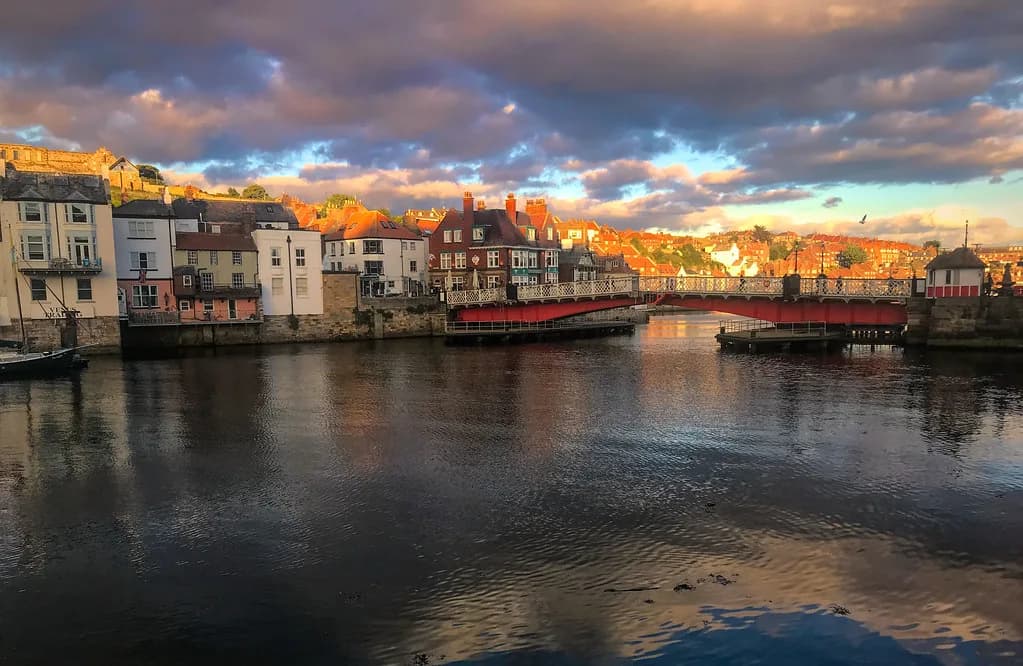
Build the route around the light and your legs: harbour, then the 199 Steps up to the churchyard and the abbey, then back down and across the swing bridge to the West Cliff for the arch and the bench. The steps and churchyard are uneven and steep in places, so allow more time than the map suggests and skip the climb if mobility is a concern. Wear grippy shoes and carry a torch in autumn, when the light goes early.
Plan the evening ghost walk as a separate outing rather than something tacked onto the end of a museum day, and check timings with Visit Whitby, since evening start times shift through the year.
Where to warm up afterwards
Botham's of Whitby, a bakery now in its fifth family generation, sells cakes, buns and afternoon tea treats, and the Folklore-themed café bar at the Jet Black Jewel Hotel on Skinner Street covers breakfasts, lunches, cakes and coffee. The Magpie Cafe by the harbour is the famous one, with long queues on the steps and street, so book ahead or eat early if you want a table after a walk.
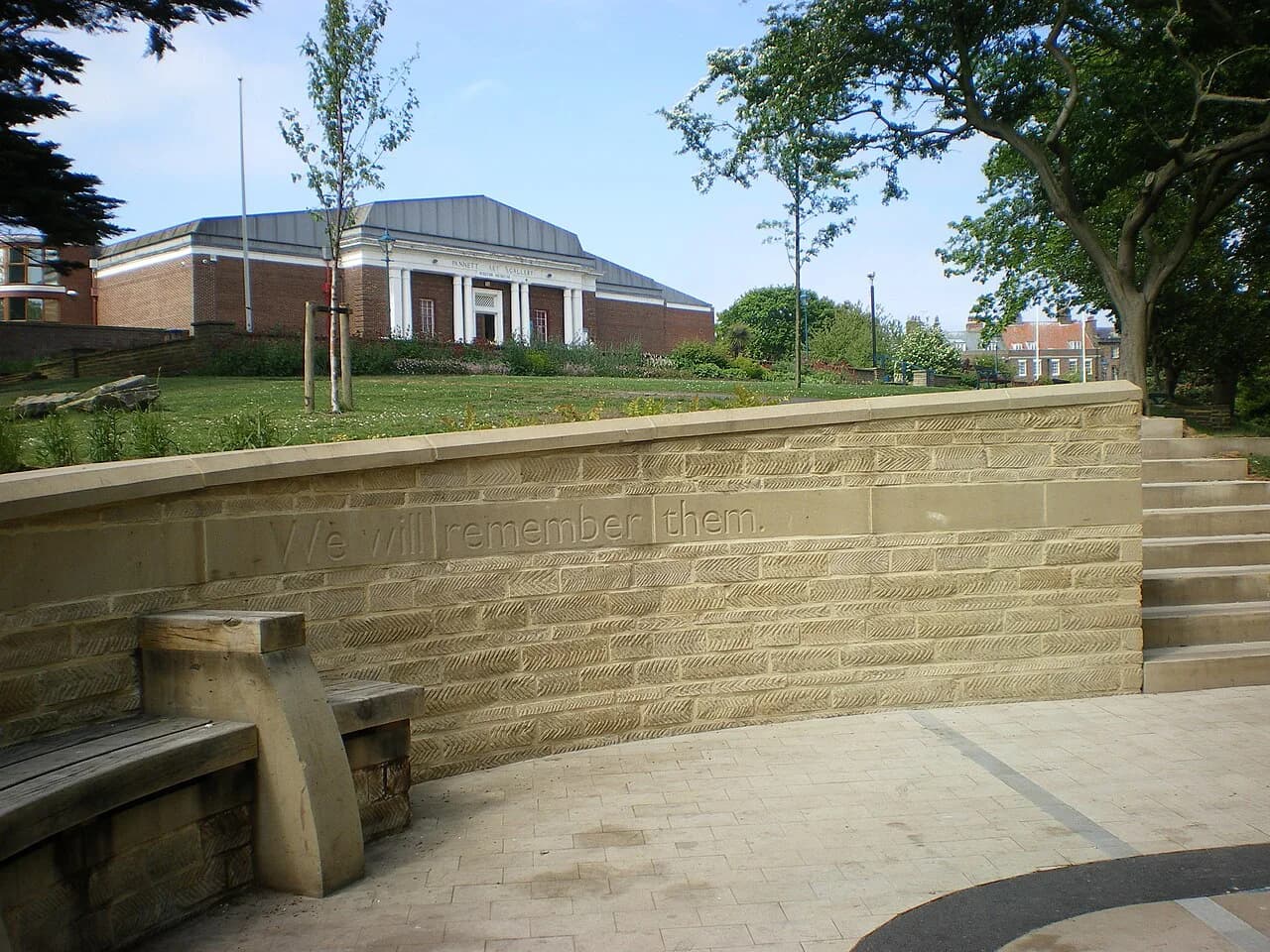
For something quieter, Beacon Farm Ice Cream Parlour and Tea Rooms at Sneaton, just outside town, serves traditional ice cream with a view over the harbour. If you would rather spend the afternoon indoors on a wet day, the museums in Whitby include the town museum and the Captain Cook Memorial Museum in the old town, and the art galleries in Whitby pair well with the Pannett Art Gallery in Pannett Park.
Plan Your Ghostly Day Out
Start with the real ground: the 199 Steps, St Mary's Churchyard and the abbey ruins by daylight, then the Whalebone Arch and St Mary's view at dusk, and finish with a booked ghost walk if you want the stories told properly. Keep the haunted and the factual separate and you get a better day than either alone. Check current opening days, tour times and admission before you travel, since these change through the year.
Explore more Whitby guides
Frequently Asked Questions
Where is the haunted churchyard in Whitby?
St Mary's Churchyard sits at the top of the 199 Steps on the East Cliff, beside the ruins of Whitby Abbey. It is open ground reached on foot from the old town, and the climb is steep and uneven, so allow time and wear sensible shoes.
Is Whitby Abbey haunted?
The abbey has ghost stories attached to it, but they are legend and folklore rather than established fact. What you can see is a genuine ruined monastery on the East Cliff, looked after by English Heritage, with the west wall damaged by naval shelling in 1914. Entry is ticketed, so check the English Heritage listing for current opening days and admission.
What is the Dracula connection to Whitby?
Bram Stoker stayed in the town between 1890 and 1896 and set the opening of Dracula here, with the Count arriving as a black dog and bounding up the 199 Steps. The churchyard, the steps and the abbey all feature, and a memorial bench on the West Cliff looks across to the ruins.
Do you have to book the Whitby ghost walk?
Whitby Walks takes individuals as well as groups, schools and private bookings, and some walkers simply turn up. Check with Whitby Walks whether booking is needed for your date and where the walk meets, since details change with the season.
How long is the Ghost Walk in Whitby?
The Ghost Walk runs about ninety minutes and is spent outdoors, so dress for the sea wind. Start times vary through the year, so check the current schedule with Whitby Walks before planning your evening.
Is Whitby good for a Halloween break?
The town's Gothic reputation makes it a natural fit for late October, and Whitby Goth Weekend brings large crowds for the April and October events. Book accommodation and tables well ahead if you plan to visit around those weekends, as restaurants fill up and walk-ins wait.
Can I see the haunted sites for free?
The 199 Steps, St Mary's Churchyard and the Whalebone Arch are public ground and free to visit. Whitby Abbey is the exception, since it is ticketed and run by English Heritage, though you can view the ruins from outside the enclosure.
Sources
Notes for your next city break
Optional updates to our UK city guides.
You might also like
Continue reading
More guides you'll find useful