History of Whitby: From Abbey to Whaling Port
Whitby's history runs from St Hilda's abbey on the East Cliff to herring, whaling and Captain Cook's apprenticeship, with the sites still standing today.
On this page
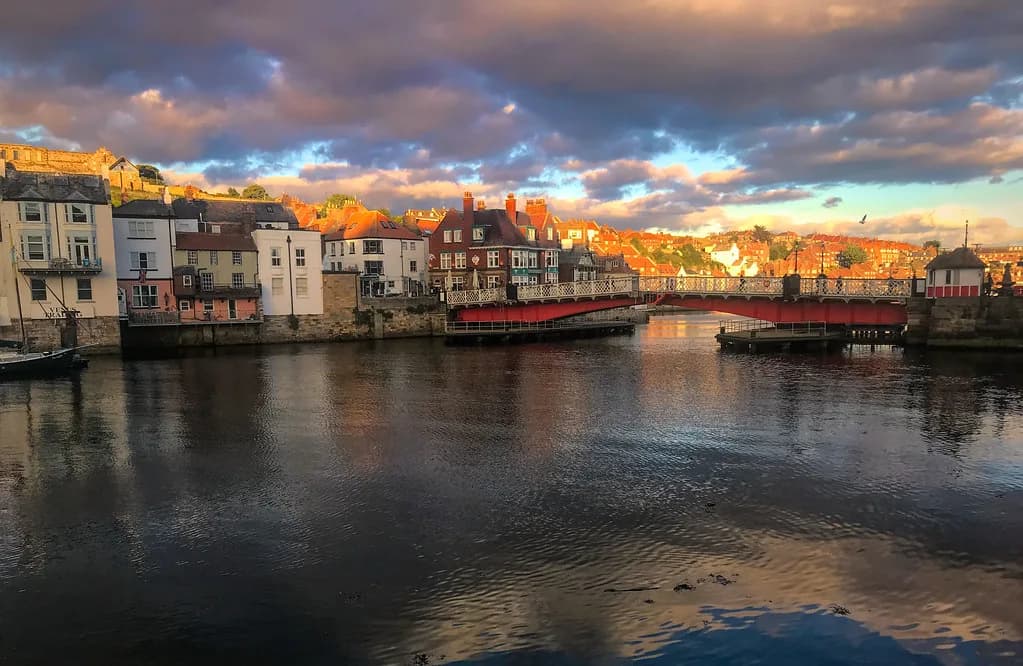
Whitby is a fishing port at the mouth of the River Esk, split by a swing bridge into an older East Side and a newer West Side. Its history runs from a monastery founded in 657 to the herring and Greenland whaling fleets that made the harbour busy for centuries. The useful way to read the town is era by era, because almost every phase left a place you can still walk around today, from the abbey ruins to the steps below them.
Whitby in brief: two sides of the River Esk
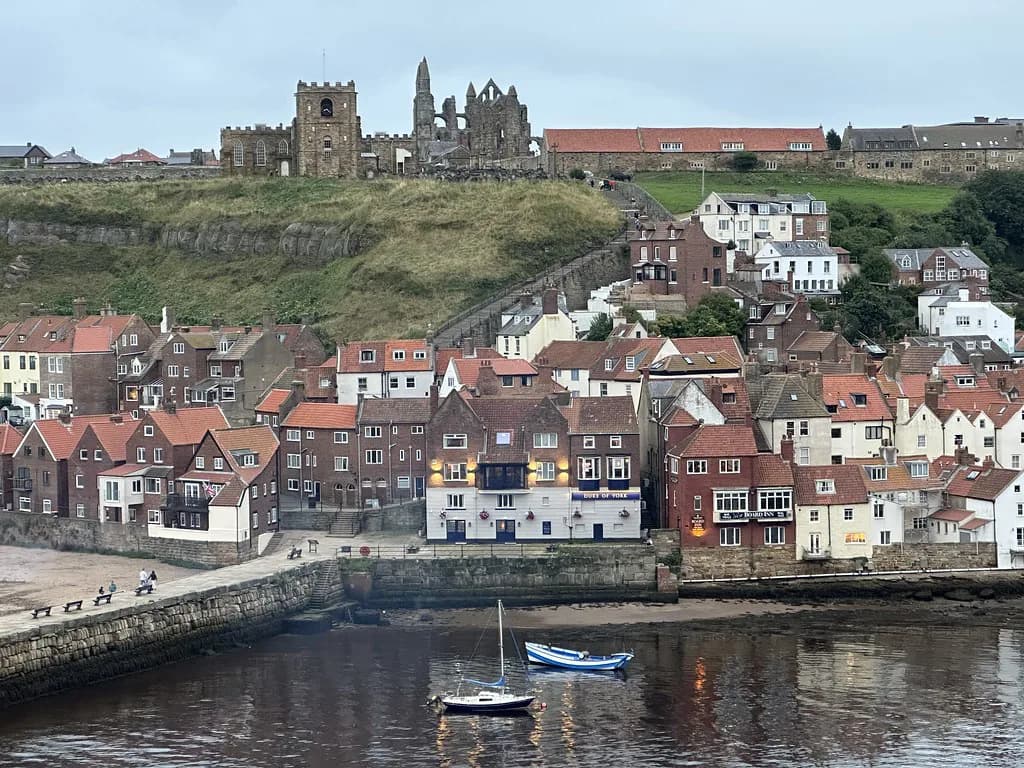
The East Side is the older half and the site of the abbey, which is where the town's story starts. The West Side is more modern, and the swing bridge over the Esk links the two, so a first-time visitor crossing the harbour is effectively moving between the medieval and Victorian layers of the town. Plan your day around that crossing: abbey and old lanes to the east, beach and promenade to the west.
The settlement's wealth came from the sea rather than from the abbey alone. From the Middle Ages Whitby had significant herring and whaling fleets, and that maritime trade shaped the harbour you see today. Allow the harbour and piers a full hour of wandering before you climb east, because the fishing history explains why the town sits where it does.
The founding abbey: St Hilda and the monastery of 657
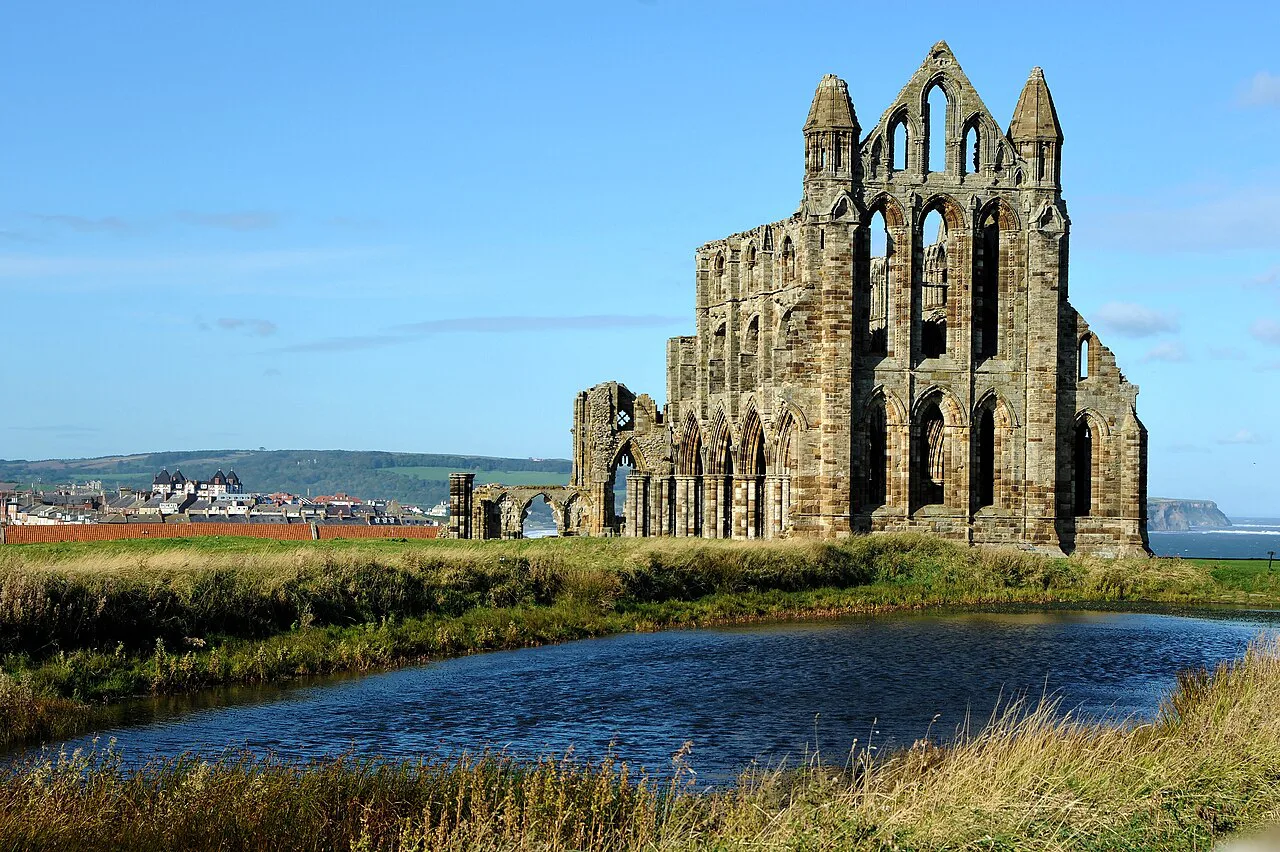
The monastery was founded in 657 on the East Cliff headland by St Hilda, a Christian saint, and it became the founding point of the town. The headland setting is the reason the ruins dominate every view of Whitby from the west; you look up at the site of the original religious house. Give the climb and the ruins together half a day rather than squeezing them between other stops.
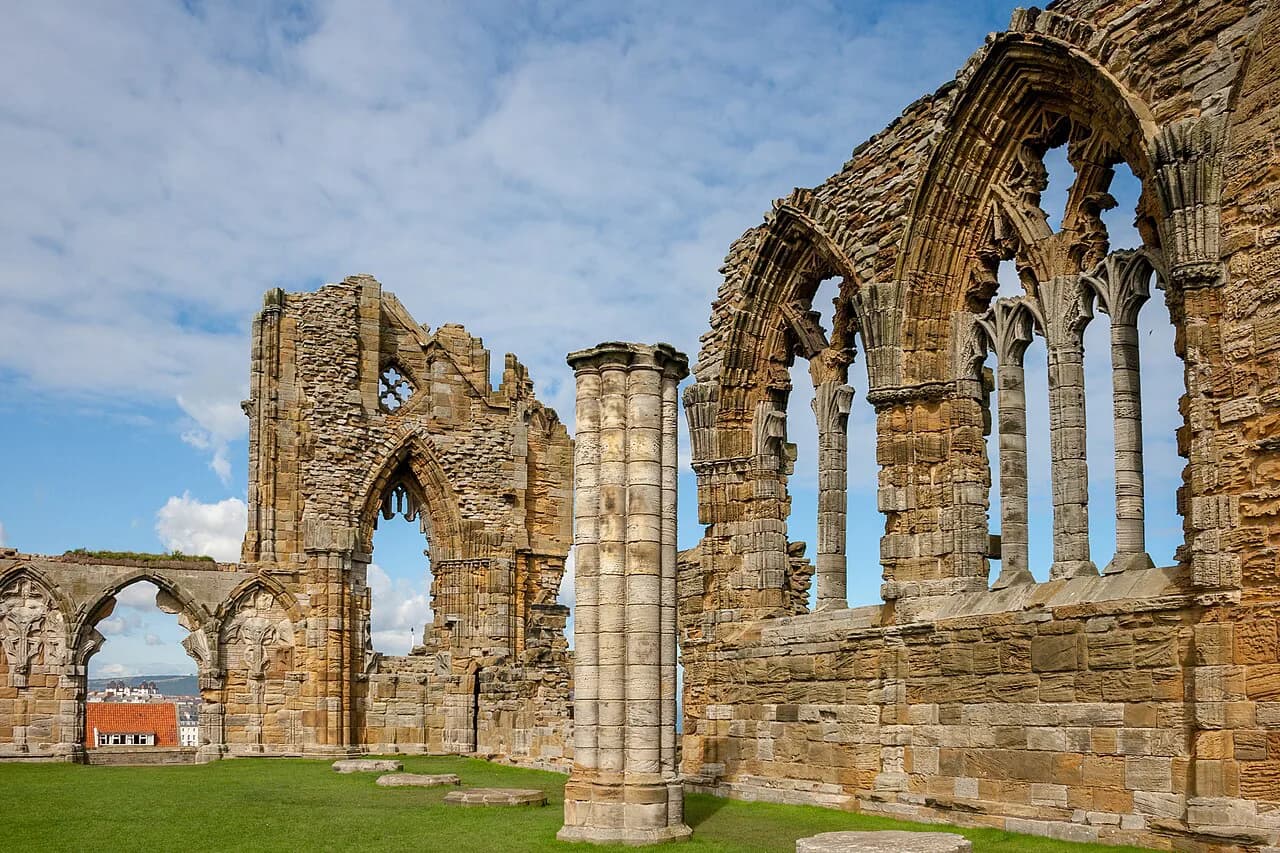
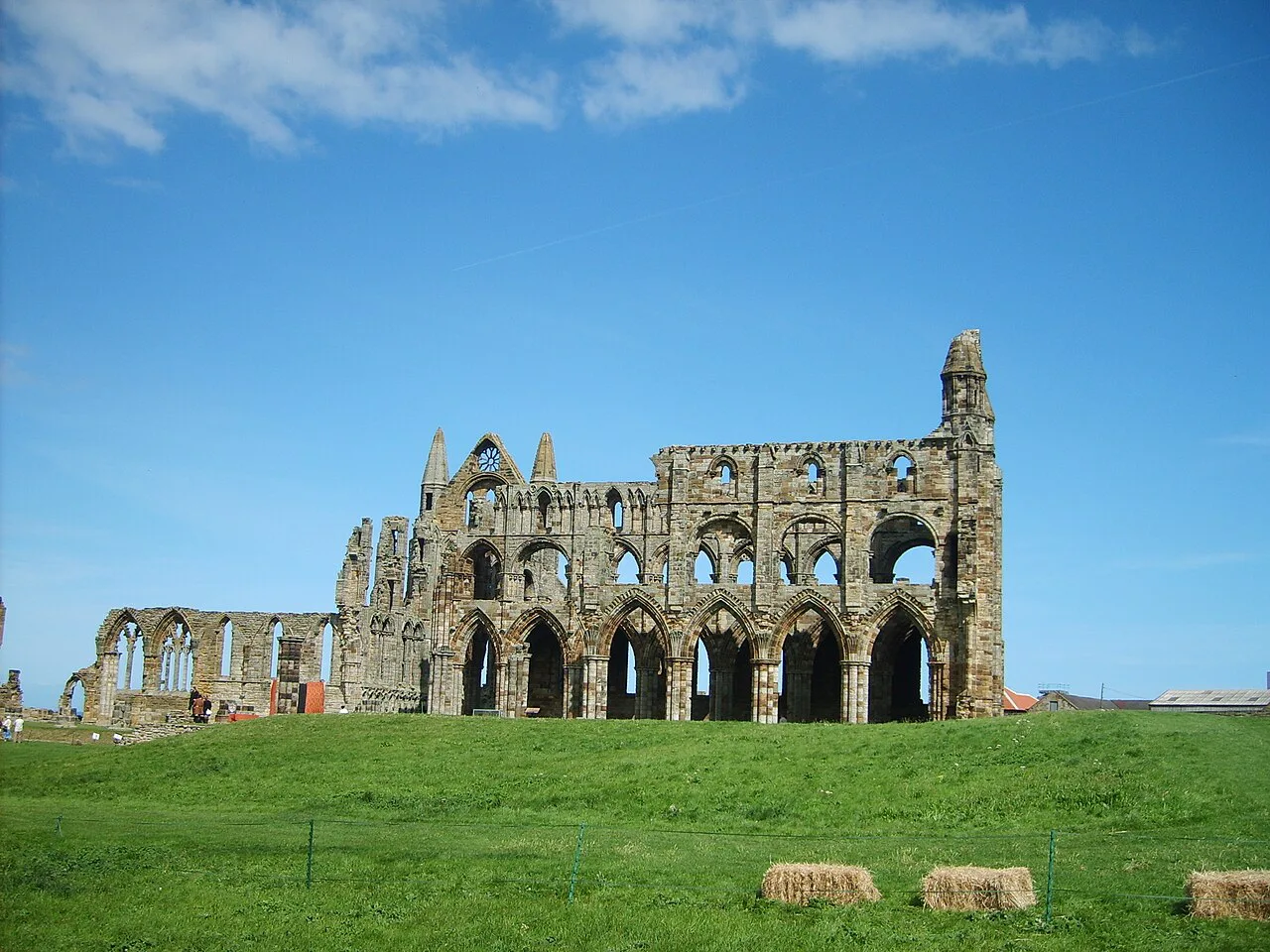
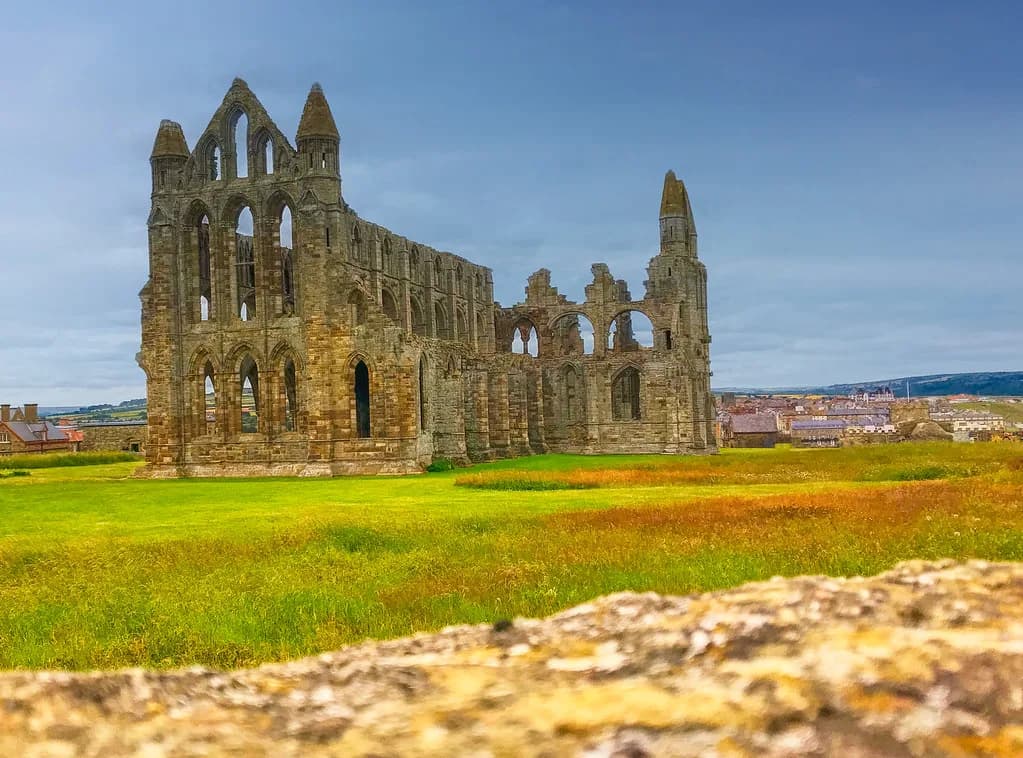
Whitby Abbey is now in the care of English Heritage, which matters if you are planning tickets or checking a members' discount. The monastic ruins dominate the East Cliff and give views back over the harbour and red rooftops. Admission, opening days and any seasonal closures are published by English Heritage on its own site, so confirm before travelling in winter.
Viking destruction and the Benedictine rebuilding of 1078
After roughly two centuries the monastery was wrecked by the Vikings and the site lay in ruins for around another two hundred years. In 1078 it was rebuilt as a Benedictine monastery, and the remains you walk among today are from that later foundation rather than the original 657 house. That distinction is worth holding on to: the gothic silhouette on the skyline is the medieval rebuild, not St Hilda's church.
The Dissolution and the 1914 shelling
Henry VIII closed the abbey in 1539 along with many others in England, and its valuable fittings and lead were stripped and removed, leaving the shell that later drew Romantic and gothic imaginations. The west wall was then destroyed in 1914 by shelling from the German Navy during the First World War, so the ruin you photograph today carries both a Tudor and a twentieth-century wound. Read the standing masonry with that in mind and the gaps make more sense.
The 199 Steps and St Mary's Church
The 199 steps up to St Mary's Church date back to 1340, when they were wooden, and were replaced in stone in 1774. Benches partway up were designed for pallbearers to rest coffins on the way to the church, which explains why the climb pauses where it does and why it is a steady rather than quick ascent. Roman numerals mark intervals on the way up, and the views over the harbour repay the effort.
St Mary's churchyard holds weathered gravestones, some dating to the 1700s, and skull-and-crossbones carvings near the entrance. Folklore turns these into pirate burials, but they marked freemasons' graves, so treat the pirate version as legend rather than history. The yard is also the setting for stories about Bram Stoker lifting names from the stones for Dracula's victims, which belongs to literary history and local legend.
Herring, whaling and the making of a port
Whitby developed as a fishing settlement and later grew as a port and centre for whaling, with the harbour busy for over a thousand years. Boats still work out of the harbour, and the piers built to protect the town from flooding remain the place to walk off a fish-and-chip lunch. Look for the red and green lighthouses at the pier ends, painted for ship navigation.
The Whalebone Arch on the West Cliff, next to a statue of Captain Cook, commemorates the town's whaling years. It is made from two whale jawbones and has been replaced over time as the bones weathered, so the arch is a monument rather than an original artefact. It doubles as one of the best free viewpoints in town.
Captain Cook's apprenticeship and the Memorial Museum
Captain James Cook learned seamanship at Whitby, serving his apprenticeship with the Walker family whose house now holds the Captain Cook Memorial Museum. The museum sits in a seventeenth-century building on the harbour with original panelling, harbour views and a courtyard, which makes it a sensible wet-weather stop. Cook's ships, including Endeavour, were built at Whitby, tying the explorer's career directly to the town's shipyards.
Bram Stoker, Dracula and gothic Whitby
Bram Stoker stayed in Whitby between 1890 and 1896, and the town inspired Dracula, with the first chapters set here and the Count arriving in England as a black dog. The 199 Steps and the abbey both appear in the novel, which is why the ruins carry a gothic reputation as much literary as architectural. Treat the vampire material as fiction and folklore, and enjoy it as such.
Story walks run from the Whalebone Arch and around the West Cliff, and Whitby Walks offers a Ghost Walk, an In Search of Dracula walk and a Heritage and History walk, with group, school and private bookings available. If you want the history rather than the scares, choose the heritage route, which covers the town's past without turning legend into fact.
Whitby jet and the jewellery trade
Whitby jet is a fossil gemstone formed from the resin of Jurassic trees, washed up on the beaches and found in the cliffs, and the town became a centre for jet jewellery. Shops selling it cluster in the old town on the East Side, with the Genuine Whitby Jet shop on Church Street and W Hamond near the bottom of the 199 steps. The glossy black pieces are the most distinctive souvenir the town produces.
What to see today: abbey, museum and gallery
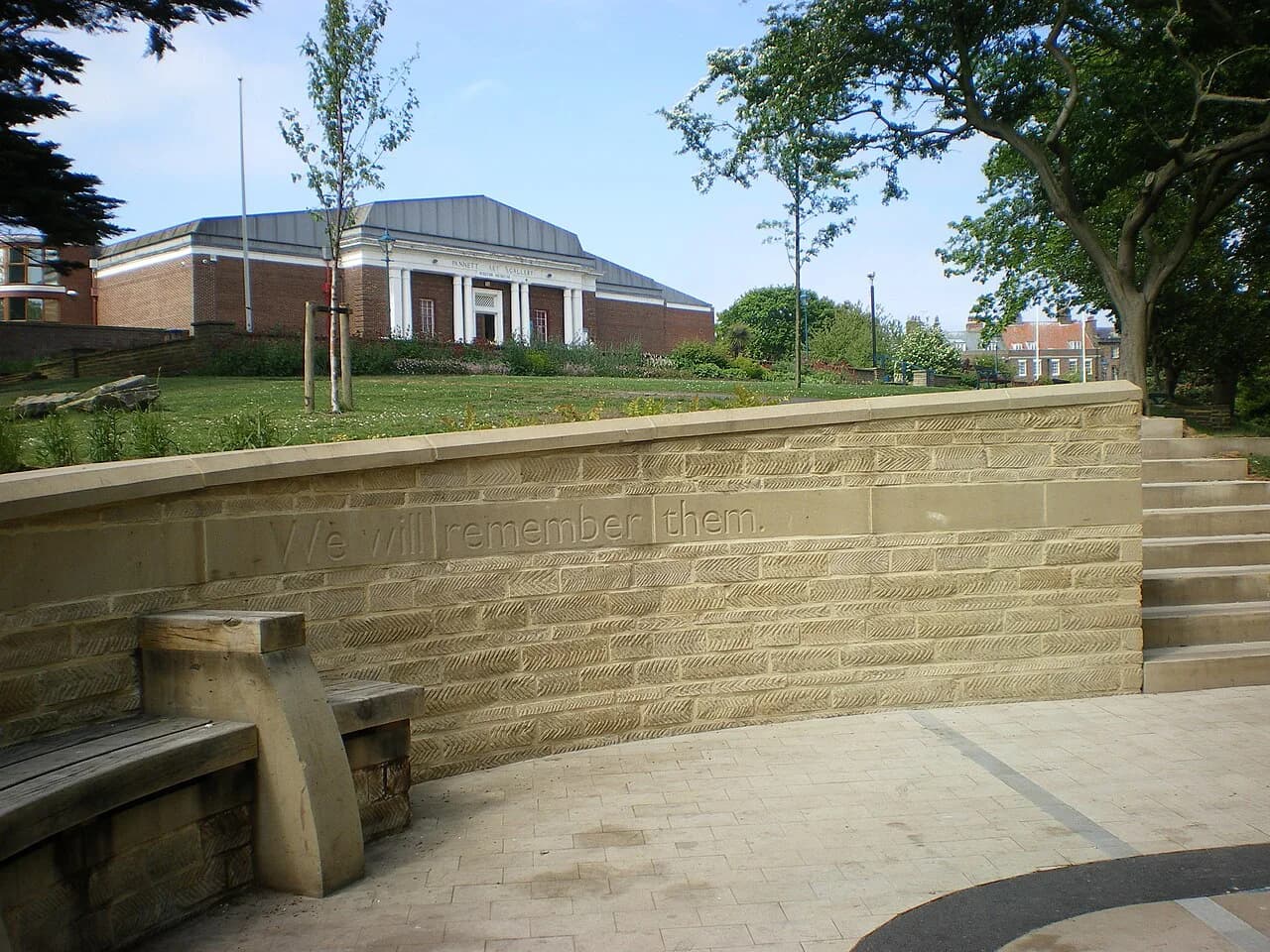
Whitby Museum, run by the Whitby Literary and Philosophical Society, holds archaeology, social history, ceramics, fossils, Captain Cook material, paintings, photographs, militaria and toys, and it sits in Pannett Park beside Pannett Art Gallery. Pairing the two makes a compact half-day indoors when the weather turns. The park itself is a quiet, hilly green space close to the centre with a play area and themed gardens.
The harbour side gives you the densest concentration of history in one short walk: fishing boats, the piers, the arcades and the small Tate Hill Beach at the far end. Magpie's Kitchen cookshop sits on Golden Lion Bank close to the harbourside, and Fortune's Kippers, the smokehouse near the steps, has been working since 1872 and sells until it runs out each morning.
How long to allow and how to walk it
A realistic history-focused day is the harbour and piers in the morning, the 199 Steps and St Mary's churchyard around midday, then the abbey and its visitor centre in the afternoon, with the museum and gallery as a wet-weather substitute. The climb is steep and stepped, so wear proper shoes and build in the benches rather than racing up. Beach paths down from the West Cliff include a lift if the slope is a problem.
Beyond the town, the North Yorkshire Moors Railway runs steam trains from Whitby through the national park, and the Esk Valley Line connects Whitby with Middlesbrough through moorland villages. Both are ways to extend a history break into the surrounding landscape without a car. Check timetables directly with the operators for the day you travel.
Should you book ahead?
Book ahead for the abbey in peak season and for any restaurant you have your heart set on, since popular fish-and-chip tables in Whitby can be booked up well in advance. For the abbey, English Heritage publishes admission and opening details; for the Captain Cook Memorial Museum and Whitby Museum, confirm days on their own listings before you travel, as seasonal hours vary. Everything else, including the steps, churchyard and harbour, needs no ticket.
Plan Your Whitby History Break
Start with the abbey and the steps to understand the medieval town, then work down to the harbour for the whaling and fishing centuries, and finish with the Captain Cook Memorial Museum and Whitby Museum for the people and objects. Two days gives you room for the galleries and a coastal walk without rushing the climb.
If you are weighing Whitby against other English cities with deep histories, our guide to the history of Liverpool and the history of Birmingham make useful comparisons for a longer trip.
Frequently Asked Questions
Who founded Whitby Abbey?
The monastery on the East Cliff was founded in 657 by St Hilda, a Christian saint, and that house is the founding point of the town. It was wrecked by the Vikings and later rebuilt as a Benedictine monastery in 1078, so the ruins standing today are from the medieval rebuilding rather than the original foundation.
When was Whitby Abbey destroyed?
Henry VIII closed the abbey in 1539 during the Dissolution and its valuable fittings and lead were stripped, leaving the shell that stands on the East Cliff. The west wall was later destroyed in 1914 by shelling from the German Navy, so the ruin carries damage from two very different centuries.
Is Dracula buried in Whitby?
No. Dracula is a fictional character, and Whitby's connection comes from Bram Stoker's stay in the town between 1890 and 1896, when local places including the 199 Steps and the abbey inspired the novel. Local stories about names taken from St Mary's churchyard for Dracula's victims are legend and literary history, not fact.
Why is Whitby associated with Captain Cook?
James Cook learned seamanship at Whitby as an apprentice, and the town built ships including Endeavour. The house where he lodged with the Walker family now holds the Captain Cook Memorial Museum, and a statue of Cook stands on the West Cliff beside the Whalebone Arch.
What is Whitby famous for?
Whitby is known for its abbey ruins, the 199 Steps, its fish and chips, Whitby jet jewellery and its link to Captain Cook and Dracula. The harbour has been a working port for over a thousand years, first for herring and later for whaling, and those maritime trades still explain the layout of the town.
How long does it take to walk up the 199 Steps?
The steps are steep and twist up to St Mary's Church and the abbey, with benches partway for rests, so allow 15 to 20 minutes at a steady pace rather than treating it as a quick climb. They were originally wooden from 1340 and were rebuilt in stone in 1774.
Do I need to book Whitby Abbey in advance?
Whitby Abbey is in the care of English Heritage, which publishes admission prices, opening days and any closures on its own site, so check those before travelling in winter. Booking ahead is sensible in peak season, and popular fish-and-chip restaurants in town can be booked up well in advance.
Which museums in Whitby cover the town's history?
Whitby Museum, run by the Whitby Literary and Philosophical Society, covers archaeology, social history, fossils, Captain Cook material and paintings, and sits in Pannett Park next to Pannett Art Gallery. The Captain Cook Memorial Museum on the harbour covers Cook's apprenticeship in a seventeenth-century building.
Sources
Notes for your next city break
Optional updates to our UK city guides.
You might also like
Continue reading
More guides you'll find useful