History of Aberdeen: A Walk Through the Granite City's Past
Trace Aberdeen's history from its medieval burgh and the Bon Accord legend to granite building, the university and the oil era, with the sites to see today.
On this page
Aberdeen is a city shaped by the sea, the granite beneath it and the oil beyond its harbour. You can trace that story on foot through two distinct quarters, Old Aberdeen and the New Town, and in the museums and galleries that hold the city's collections. This guide follows the timeline and points you to the surviving buildings and sites for each era.
One practical point shapes everything: the main city-centre attractions are walkable, and VisitScotland notes that you only need a car to reach the castles and coast of Aberdeenshire beyond the city. Allow a weekend for the key sights, or three to five days if you want to add the surrounding countryside.
Aberdeen's history in brief: a granite city shaped by the sea
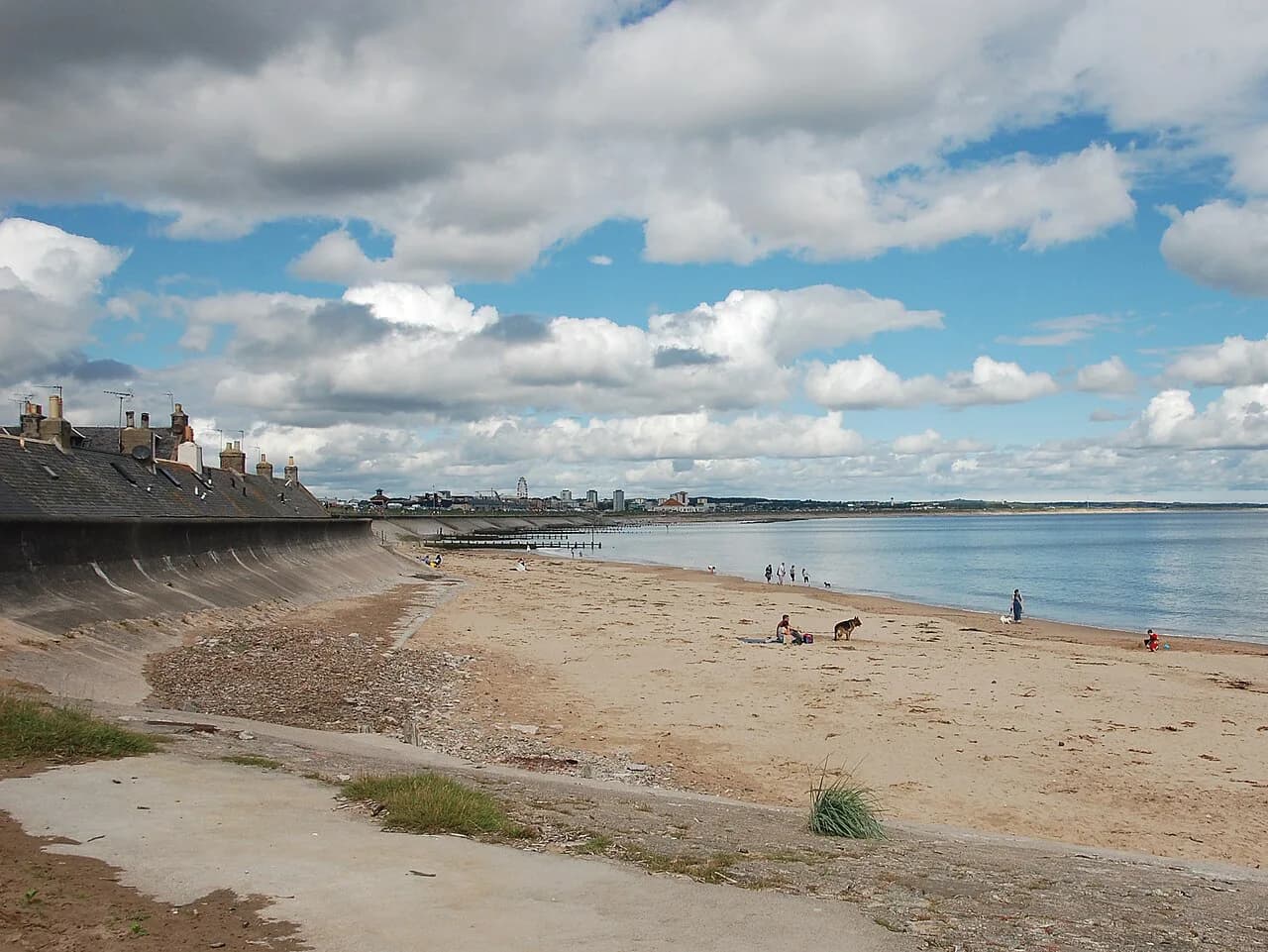
Aberdeen sits between the mouths of the River Dee and the River Don on Scotland's north-east coast. Its medieval core, Old Aberdeen, grew around a cathedral and a university, while the commercial New Town expanded westwards in the 19th century. The city's wealth came in turn from trade, textiles, granite and, later, North Sea oil.
The Gazetteer for Scotland records the city's motto, Bon Accord, and its population history, including 195,021 residents at the 2011 census. That figure sits alongside the 19th-century growth that gave Aberdeen its granite streetscape. Reading the population record next to the buildings helps you see how quickly the city expanded.
The name and the Bon Accord legend of 1308
The motto Bon Accord, meaning good luck or agreement, is tied to a story from the Wars of Independence. According to tradition, in 1308 local citizens helped Robert the Bruce attack and destroy Aberdeen Castle, then held by supporters of the English King Edward I. The password for the attack is said to have been 'Bon Accord', and Bruce is said to have rewarded the town with land.
Treat the tale as a legend attached to the city motto rather than a documented event, and you will read the streets more carefully. No castle from that episode survives for visitors to see, so the motto itself is the main trace. You will meet it on buildings and civic signage around the centre.
Old Aberdeen: St Machar's Cathedral and King's College
Old Aberdeen is the historic heart of the city, with cobbled streets and centuries-old university buildings that VisitScotland describes as feeling a little medieval. Its two landmarks are St Machar's Cathedral and King's College, both tied to the university quarter. This is the part of Aberdeen to walk first if you want the medieval layer of the story.
The University of Aberdeen was founded in 1495 by Bishop Elphinstone, and Old Aberdeen grew around it. The area's winding historic lanes contrast sharply with the planned New Town to the west. Give Old Aberdeen a half-day so you can take in the cathedral, the college buildings and the lanes without rushing.
Medieval and early modern Aberdeen: the Castlegate and the tollbooth
The Castlegate was the medieval market heart of Aberdeen and remains the ceremonial centre, marked by its mercat cross. The Tolbooth Museum occupies one of the city's oldest buildings on the square and tells the story of civic law and order. Pair the two to understand how the burgh governed itself.
Nearby, Provost Skene's House is one of the surviving townhouses from the early modern period, and the Kirk of St Nicholas anchors the older street pattern. These are the places to look for the centuries between the medieval burgh and the granite expansion. The museums in Aberdeen cover this ground in more depth if you want interpretation alongside the buildings.
Granite, trade and the making of New Aberdeen in the 19th century
Aberdeen's export trade began with salted fish, hides and wool, then moved through worsted stockings, linen and textiles. The Gazetteer for Scotland records that 680,000 pairs of stockings were shipped to Europe in 1789 alone, and that granite export peaked in the later 19th century, with setts paving streets as far away as London.
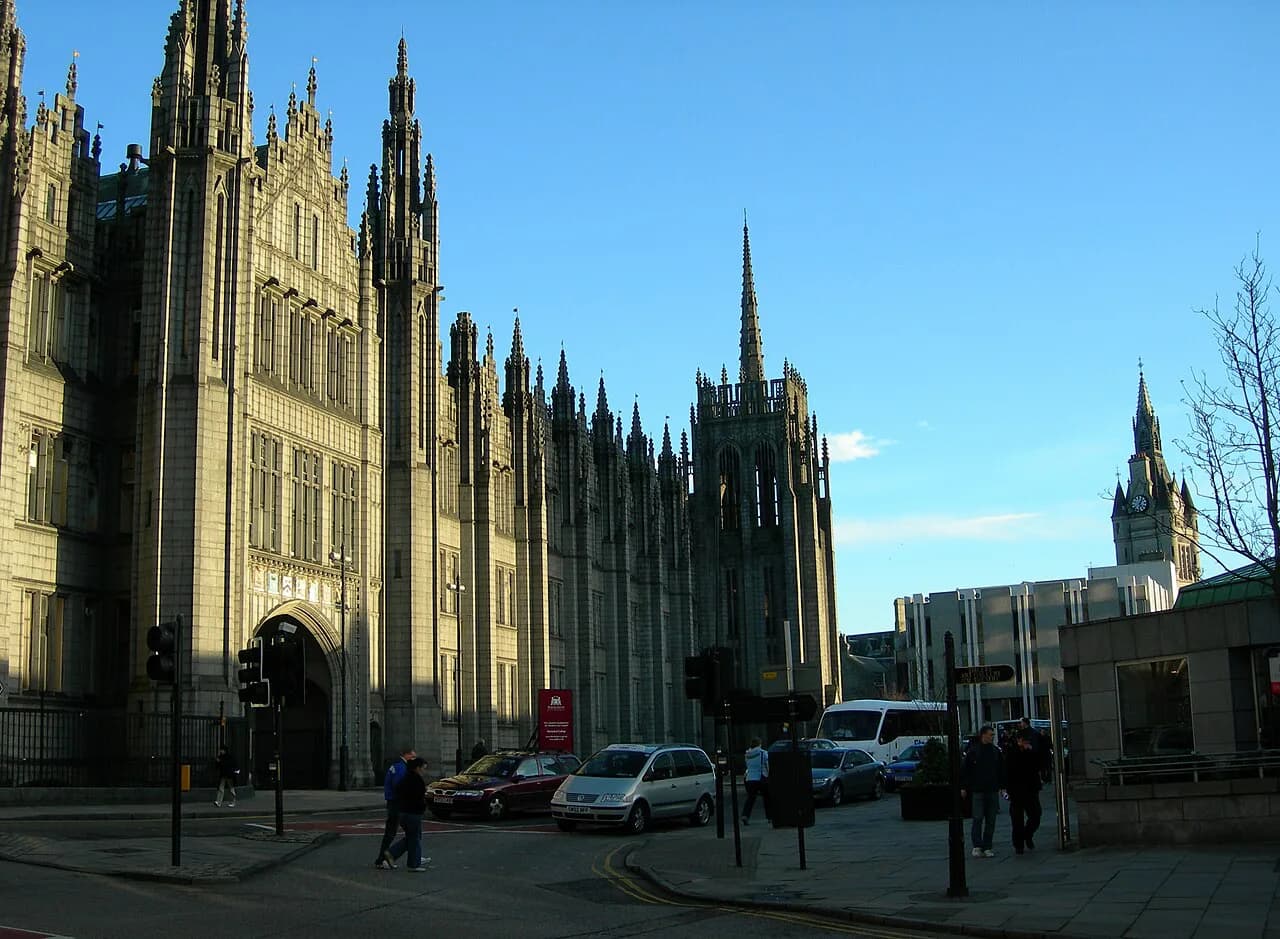
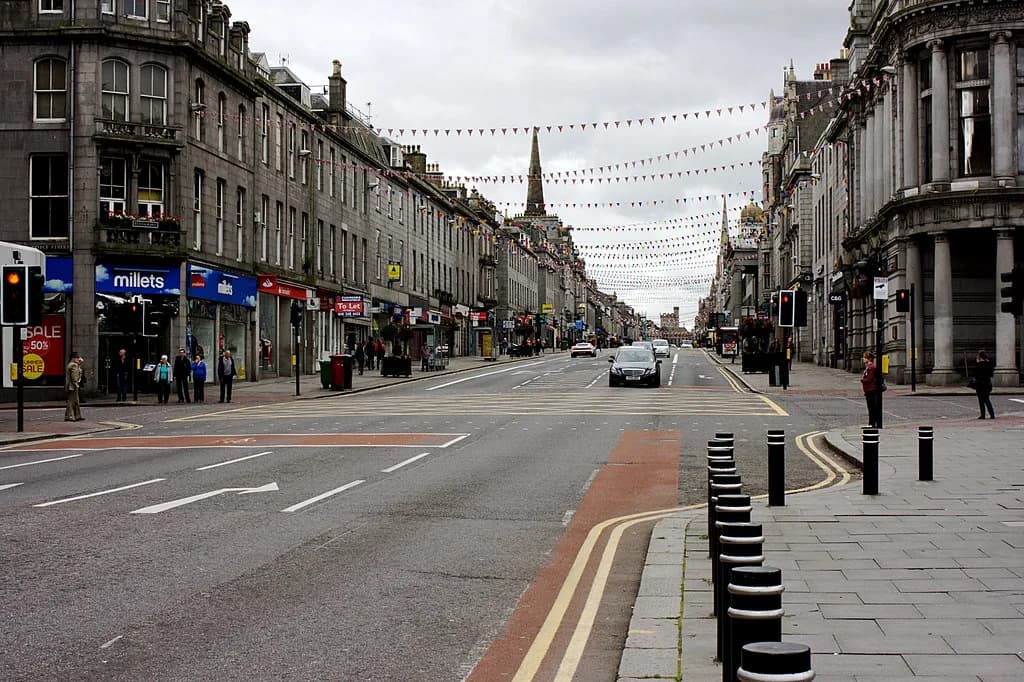
The wealth from that trade helped lay out New Aberdeen in the 19th century, the grid of granite streets west of the medieval core. Union Street is its spine, and the wide, pale streetscape is why Aberdeen is known as the Granite City. After rain the stone takes on a different colour, which is the effect the nickname describes.
Architects and buildings: Archibald Simpson and the granite streetscape
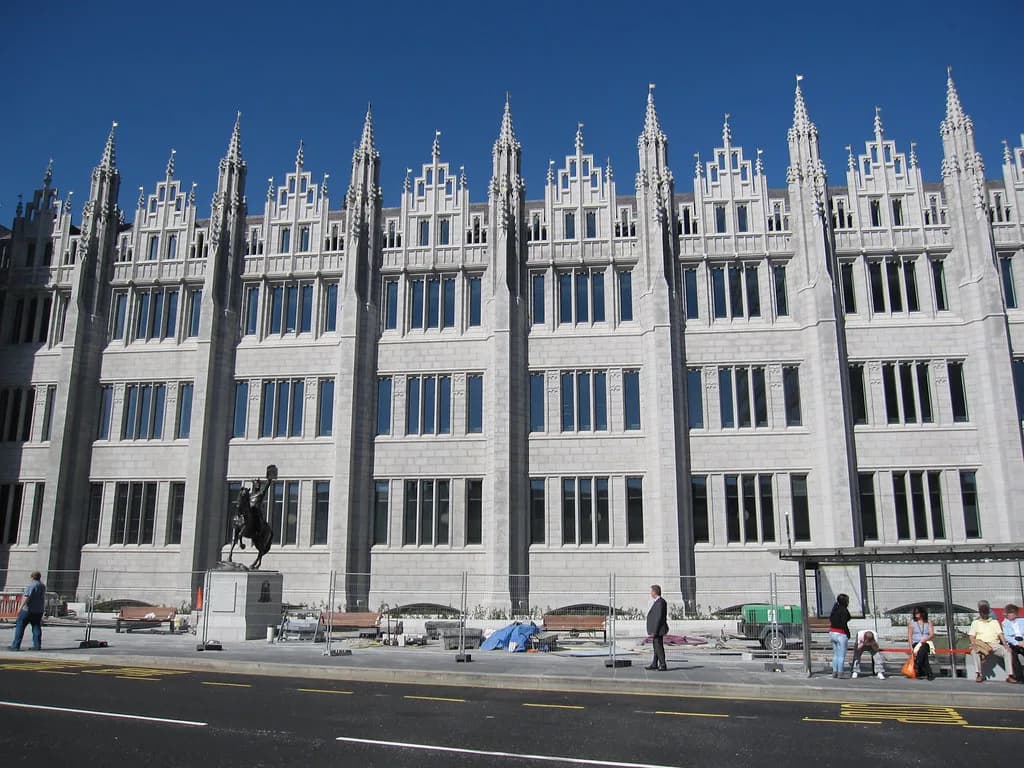
Much of Aberdeen's finest building is the work of named architects, and spotting their work makes a walk more rewarding. Archibald Simpson, born in 1790, is noted for many of Aberdeen's best buildings, and Marischal College is among the granite landmarks that define the city centre.
The Granite City's architecture rewards a slow look: cornices, columns and carved detail on buildings that were once plain commercial premises. Take the city-centre streets at an easy pace and let the buildings set the route. Aberdeen architecture is the subject in its own right if you want to go deeper than a single afternoon.
Fishing, shipping and Aberdeen Harbour
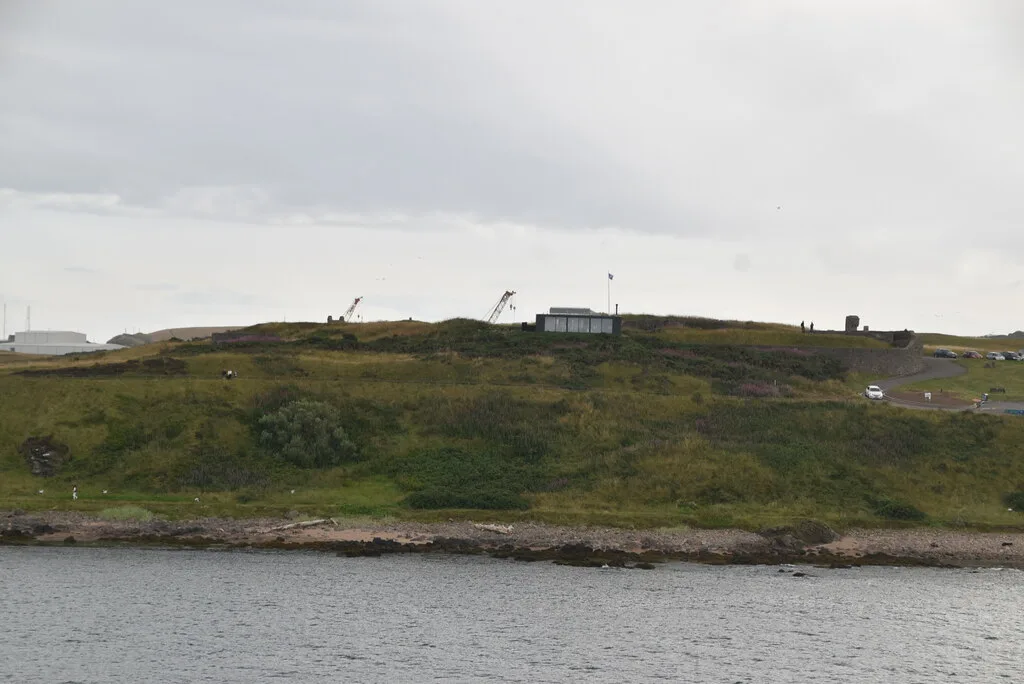
Aberdeen Harbour has been one of Britain's busiest ports, its importance now resting on supplying the North Sea oil industry rather than fishing, which declined markedly from the 1980s. The Gazetteer for Scotland notes that more than a thousand oil and gas companies operate in or around the city. Shipbuilding ended when Hall Russell closed its yard in 1992.
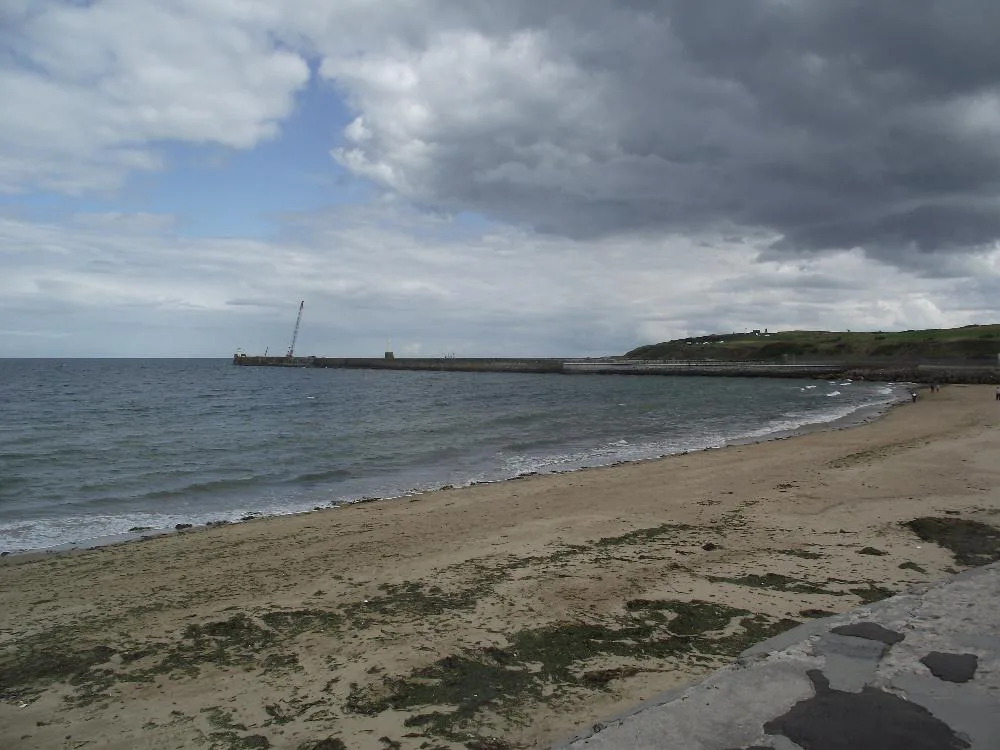
To read this history on the ground, head for Footdee, the old fishing quarter at the harbour mouth, with its brightly painted cottages clustered in squares. VisitScotland points to Footdee as one of the city's attractive residential areas to photograph. From Torry Battery across the water you can watch for bottlenose dolphins in the harbour mouth.
The North Sea oil era and the Maritime Museum
Oil transformed Aberdeen's economy from the later 20th century, and the Aberdeen Maritime Museum tells that story. VisitScotland describes the museum as built around a large-scale replica of a North Sea oil rig, alongside the city's maritime heritage. It makes the natural place to start if you want the modern era explained.
The museum sits within walking distance of the harbour, so you can connect the exhibits to the working port outside. Allow around an hour and a half, longer if the oil-industry galleries catch your interest. Check the museum's own website for current opening days before you set out.
Aberdeen Art Gallery and the city's collections
Aberdeen Art Gallery holds the city's fine-art collections, and VisitScotland recommends it as a place to spend time in winter as well as summer. The collections connect the granite-era prosperity to the patrons who funded art in the city. Pair a gallery visit with a walk along Union Street to see where that wealth was made.
If art is your main interest, the city's other galleries and exhibition spaces round out a day. The art galleries in Aberdeen reward a half-day rather than a flying visit. For a wider spread of museum collections, the city's museums include university and civic venues.
War, memorials and military heritage
Aberdeen's military heritage appears in its memorials and regimental collections as well as in its streets. VisitScotland lists military heritage among the city's historical draws, alongside the granite architecture and the university. Look for the war memorial and the regimental museum if you want to follow that thread.
Allow a quiet hour for memorials and small collections rather than trying to fit them into a packed schedule. These sites reward context, so read the inscriptions and the display boards. Many of Aberdeen's attractions are walkable from the centre, which makes it easy to combine them with the rest of your route.
Aberdeen's street art and festivals today
Modern Aberdeen has built a reputation for street art, and VisitScotland describes the city's murals as a celebrated trail that turns the streets into an open-air gallery. Nuart Aberdeen is the name behind the large-scale murals. Walking the trail is free and works well as a way to see the modern city between historic stops.
The city's festival calendar adds another layer, with SPECTRA, a festival of light, lighting up Marischal College and Union Terrace Gardens, and Granite Noir, a crime-writing festival. Dates change each year, so check the organiser's listings before you plan a trip around one.
A short walking route through the historic quarters
Start at the Castlegate and the mercat cross, then walk north through the old streets to Old Aberdeen, taking in St Machar's Cathedral and King's College before returning south along the coast. Finish at Footdee and the harbour for the maritime layer of the story. This route links the medieval, university and maritime eras in a single day. If you enjoy tracing a city's past this way, the history of Liverpool offers a comparable walk tied to places you can still see.
The city-centre attractions are walkable, and VisitScotland notes the city is well served by public transport for sites further out. A car only becomes useful for castles and coastal scenery beyond Aberdeen. Build in a stop for lunch and keep the walking pace gentle so the granite streets do not wear you out.
Where to stay for a history-focused city break
Stay in the city centre if you want the Castlegate, Union Street and the galleries within walking distance. VisitScotland lists city-centre hotels, boutique guesthouses, self-catering apartments and beach-front accommodation as options. A west-end base suits a longer stay and puts the parks and gardens within easy reach.
Booking ahead matters more for festival weekends and the summer months, when the city is busiest. Check rates and availability directly with the accommodation, since prices vary by season and demand. Compare a central hotel with a guesthouse near Old Aberdeen if you plan to spend most of your time in the historic quarter.
How long to allow and when to go
A weekend gives you the key attractions, and three to five days lets you add Aberdeenshire's castles and countryside. VisitScotland suggests March to October for outdoor spots and November to February for galleries and museums. Both seasons have their appeal, depending on whether you want long coastal walks or warm interiors.
If castles are the priority, set aside a full day for the surrounding countryside. Dunnottar Castle and Royal Deeside sit within easy reach of the city, along with the Cairngorms National Park and the region's whisky distilleries. Plan the car or coach connections in advance, as these sites are outside Aberdeen itself.
Practical: getting to Aberdeen by train, road and air
Direct trains connect Aberdeen with Edinburgh, Glasgow, Dundee, Inverness and London, arriving in the heart of the city. Driving is straightforward via the A90 and A96, and regular coaches run from major Scottish cities to Aberdeen Bus Station. Aberdeen Airport offers year-round UK and international connections about 20 minutes from the centre.
If you are arriving by train for a city break, you may not need a car at all, since the main sights are walkable and buses serve the rest. Visitors planning to explore the coast and castles should weigh the convenience of driving against parking and one-way systems in the centre. Book train tickets early for the best fares.
Plan Your Visit
Aberdeen's history is unusually easy to walk, because each era left a distinct quarter. Start with the medieval Castlegate, move through Old Aberdeen's cathedral and university, then follow the granite streets and the harbour out to the oil-era museum. That route gives you the whole timeline in a day or two.
Check opening days and any booking requirements on each venue's own website before you travel, since these change through the year. Build flexibility into your plan for weather and for the festivals that fill the city at certain times. With a mapped route and a booked base, Aberdeen's story is yours to follow at your own pace.
Explore more Aberdeen guides
Frequently Asked Questions
Why is Aberdeen called the Granite City?
Aberdeen's 19th-century expansion was built in local granite, giving the centre its pale, uniform streetscape. The stone was also exported in large quantities, with setts used to pave streets as far away as London. The nickname comes from that building material and the way it catches the light after rain.
What is the Bon Accord motto about?
Bon Accord is the city's motto, and tradition links it to 1308, when local citizens are said to have helped Robert the Bruce take Aberdeen Castle using the phrase as a password. Treat that as a legend attached to the motto rather than a documented event. You will see the words on civic buildings around the centre.
What is the difference between Old Aberdeen and New Aberdeen?
Old Aberdeen is the historic quarter around St Machar's Cathedral and King's College, with cobbled streets and university buildings. New Aberdeen is the 19th-century grid west of the medieval core, centred on Union Street and built in granite. Visit both in one walk to see how the city shifted from its medieval origins to its commercial heyday.
When was the University of Aberdeen founded?
The university was founded in 1495 by Bishop Elphinstone, and Old Aberdeen grew up around it. King's College is the historic building most associated with the founding. Allow time in Old Aberdeen to see the college and cathedral together.
How long should I spend in Aberdeen to see the historic sites?
A weekend covers the key attractions, including the Castlegate, Old Aberdeen and the harbour museums. Three to five days lets you add Aberdeenshire's castles, coast and countryside. Most city-centre sights are walkable, so you can cover a lot without transport.
Do I need a car to explore Aberdeen's history?
Not for the city itself, since the main historic attractions are walkable and public transport serves the rest. A car becomes useful if you want to reach castles and coastal scenery in Aberdeenshire, such as Dunnottar Castle and Royal Deeside. Weigh the convenience against city-centre parking and one-way systems.
Sources
Notes for your next city break
Optional updates to our UK city guides.
You might also like

Continue reading
More guides you'll find useful